
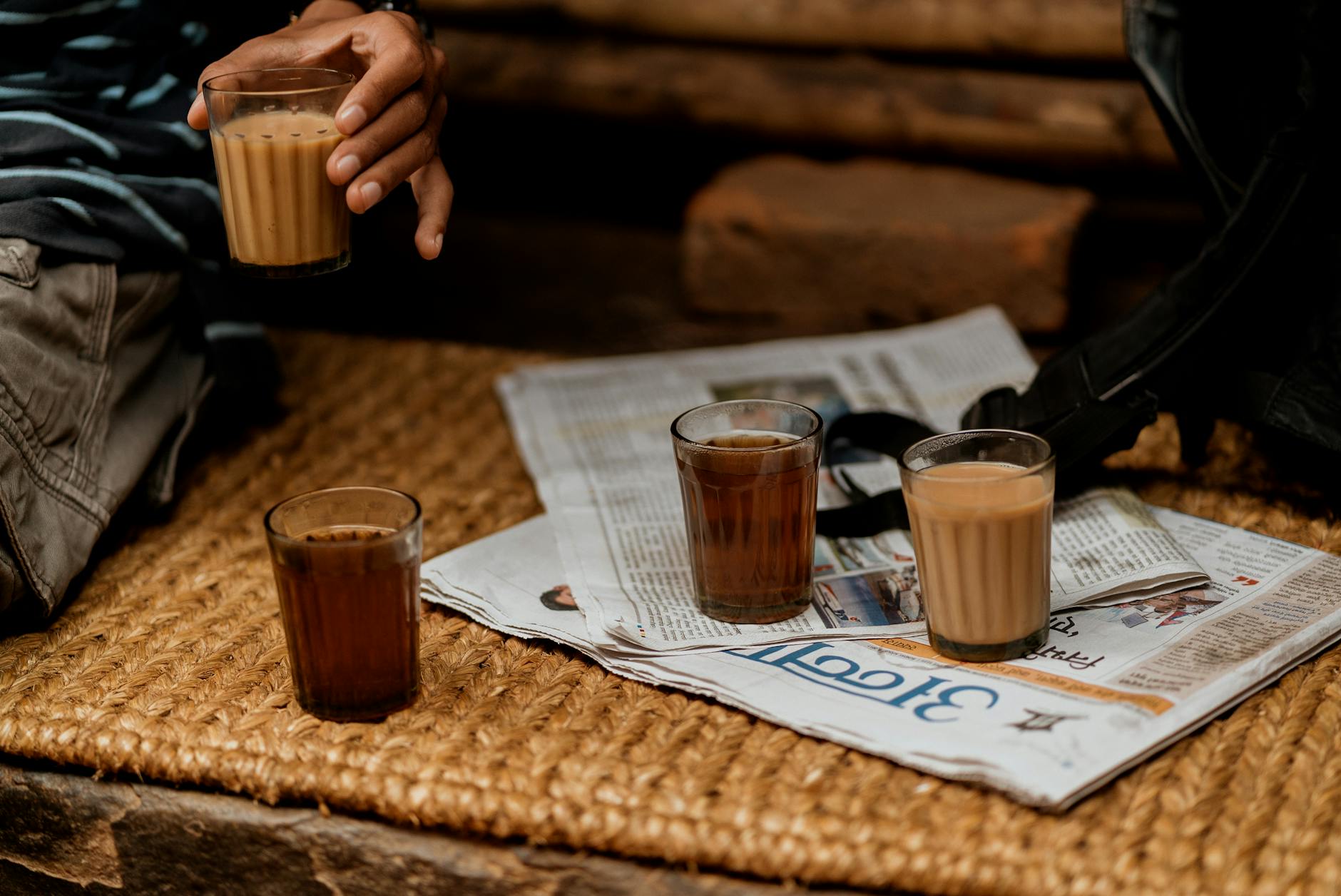
Chai Tea vs Chai Latte: What's the Difference?
If you have ever ordered a "chai tea" at a coffee shop or seen "chai tea latte" on a menu, you have probably wondered what the difference is between these terms. The confusion is understandable. "Chai tea" and "chai latte" get used interchangeably in the West, but they refer to very different things depending on who is talking and where you are in the world.
The short version: "chai" already means "tea" in Hindi. So "chai tea" literally translates to "tea tea." And a "chai latte" is a specific Western coffee-shop preparation that would be almost unrecognizable to anyone who grew up drinking actual chai.
This guide breaks down the real differences — linguistically, culturally, and practically — so you know exactly what you are getting, ordering, or making at home.
Zero sugar · Six organic spices · Café-tested · 58¢ per 8 oz cup · Free shipping on every order · Supplier batch-tested for heavy metals · Small batch
The Naming Problem: Why "Chai Tea" Is Redundant
The word chai is the Hindi word for tea. That is it. When someone in India says "chai," they mean tea — any tea.
When Americans say "chai tea," they are saying "tea tea." The redundancy happened because Western coffee shops needed a way to signal "this is spiced tea, not regular tea." Adding "tea" after "chai" became shorthand for that.
Here is how the terminology maps across languages:
| Language | Word for Tea | Origin |
|---|---|---|
| Hindi/Urdu | Chai | From Mandarin "cha" |
| Mandarin Chinese | Cha | Original term |
| Turkish | Cay | From "cha" |
| Russian | Chay | From "cha" |
| English | Tea | From Hokkien "te" |
| Japanese | Cha | From "cha" |
The two major linguistic branches — "cha" and "tea" — both trace back to the same Chinese character. Countries that traded tea overland adopted "cha" (which became "chai" in Hindi and across Central Asia). Countries that traded tea by sea adopted "te" (which became "tea" in English, Dutch, and others).
So when you say "chai tea," you are combining the overland and maritime trade terms for the exact same thing.
The more accurate terms:
- Chai — Tea (any tea, in Hindi)
- Masala chai — Spiced tea (what most Westerners mean when they say "chai")
- Chai latte — Western coffee-shop preparation of spiced tea with steamed milk
A chai latte without the syrup
A chai latte that starts with no sugar.
Meria Chai is black tea and six organic spices as a fine powder, with no sweetener and no milk powder. Weigh it into your milk and froth it hot: a chai latte only as sweet as you make it.
Get my chai · From $19Free shipping • Cancel anytime
What Indians Call "Chai" vs What Americans Call "Chai Tea"
When someone in India says "I am making chai," they mean they are simmering black tea with spices and milk on the stovetop. The full name is masala chai (masala = spice blend), but most people just say "chai" because spiced tea is the default.
Indian chai is simmered, not steeped. Tea leaves, whole or ground spices, water, milk, and sometimes sugar are combined in a pot and brought to a boil together. The simmering process extracts a richer, more complex flavor than dunking a tea bag ever could.
When someone in the United States says "chai tea" or orders a "chai tea latte" at a coffee shop, they are typically getting something very different: a drink made from pre-sweetened concentrate or flavored syrup, combined with steamed milk. The spice flavor exists, but it is secondary to sugar and milk.
The cultural gap in numbers
| Aspect | Traditional Chai (India) | "Chai Tea" (American Understanding) |
|---|---|---|
| Daily consumption | 1.3+ billion people daily | Specialty drink, ordered occasionally |
| Made from | Loose tea leaves + whole spices | Concentrate, syrup, or powder |
| Milk role | Simmered with the tea | Steamed and added separately |
| Sugar | Optional, added to taste | Pre-mixed into the product |
| Served in | Small glasses or cups (4-6 oz) | Large cups (12-20 oz) |
| Cost | 10-20 rupees ($0.10-0.25) | $5.00-7.00 |
| Where | Street stalls, homes, offices | Coffee shops, cafes |
This is not about one version being "right" and the other "wrong." They are genuinely different drinks that happen to share a name. Understanding the difference helps you know what you are actually buying.
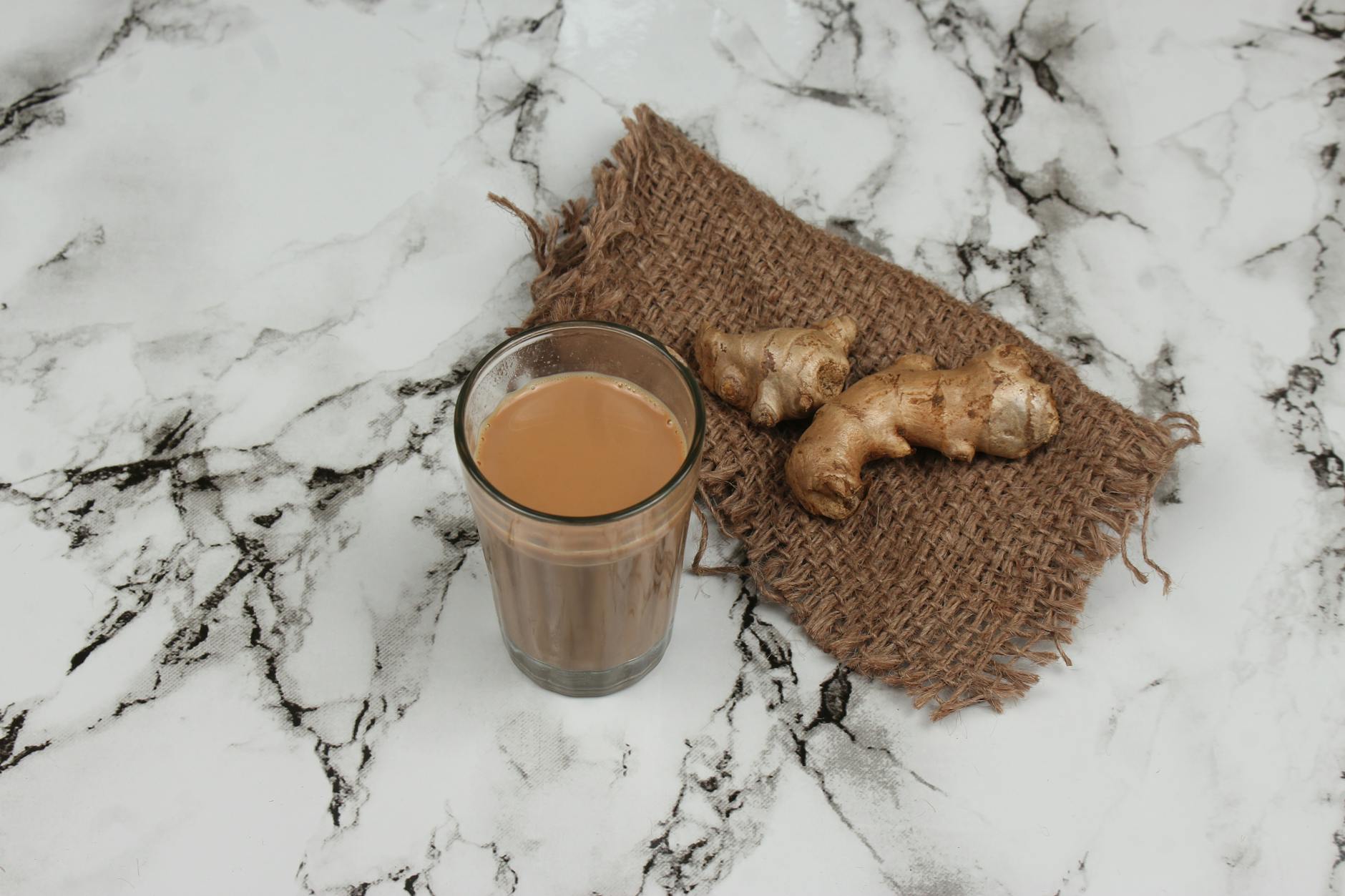
Traditional Masala Chai: The Original
Traditional masala chai has been made the same way across India for generations. The process is simple, but the details matter.
Ingredients
- Black tea — Usually Assam CTC (crush-tear-curl) for its bold, malty character
- Cardamom — The signature flavor, aromatic and slightly sweet
- Cinnamon — Adds warmth and natural sweetness
- Ginger — Fresh root, grated or sliced, for heat and brightness
- Cloves — Deep, warming undertones
- Black pepper — Sharpens the blend and aids bioavailability of other compounds
- Water and milk — Simmered together, not added separately
- Sweetener — Optional, added to taste (traditionally sugar or jaggery)
How it is made
- Bring water to a boil with crushed or ground spices
- Add tea leaves and simmer for 2-3 minutes
- Add milk and bring back to a gentle boil
- Strain into cups
- Add sweetener to taste (or not)
The entire process takes 5-10 minutes. The key is the simmering — spices and tea steep together in the liquid, creating a unified flavor rather than layered components.
Nutrition profile
A typical 6oz cup of traditional masala chai:
- Calories: 30-70 (depending on milk and sugar)
- Caffeine: 25-50mg
- Added sugar: 0-10g (your choice)
For a deeper look at what goes into real chai, see The 7 Organic Ingredients in Meria Chai.
The Western Chai Latte: A Different Drink
The "chai latte" as served in American and European coffee shops emerged in the 1990s as cafes looked for ways to offer chai to Western palates. The espresso-bar format — a concentrated flavor base plus steamed milk — became the standard template.
How most coffee shops make a chai latte
- Pump sweetened chai concentrate or syrup into a cup (2-4 pumps)
- Steam milk separately
- Pour steamed milk over the concentrate
- Optional: sprinkle cinnamon or nutmeg on top
Some cafes use chai powder instead of liquid concentrate, but the dominant preparation in chains uses pre-sweetened concentrate where sugar is the first or second ingredient.
What is actually in the concentrate
The ingredient list on a typical coffee-shop chai concentrate tells the story:
- Water
- Sugar (or high fructose corn syrup)
- Black tea
- Spice extractives or "natural flavors"
- Honey
- Vanilla extract
- Citric acid
The spices you are tasting are often extractives or flavor compounds rather than actual ground spices. The dominant flavor is sweetness, not spice.
Nutrition profile
A typical 16oz cafe chai latte:
- Calories: 240-300
- Caffeine: 50-70mg
- Sugar: about 42g (most of it added)
For a full calorie comparison by preparation method, see Chai Latte Calories: Full Nutrition Breakdown.
Side-by-Side Comparison: Chai Tea vs Chai Latte
Here is how traditional masala chai and a Western chai latte compare across every dimension that matters:
| Factor | Traditional Masala Chai | Western Chai Latte |
|---|---|---|
| Base | Black tea leaves + whole spices | Sweetened concentrate or syrup |
| Milk | Simmered with tea and spices | Steamed separately, added after |
| Spice source | Real spices (ground or whole) | Extractives, "natural flavors," or powder |
| Added sugar | 0-10g (optional, you decide) | most of about 42g at 16 oz (pre-mixed, not optional) |
| Calories (per serving) | 30-70 | 240-300 |
| Caffeine | 25-50mg | 50-70mg |
| Serving size | 4-6 oz | 12-20 oz |
| Preparation time | 5-10 minutes | 1-2 minutes (from concentrate) |
| Cost per cup | $0.15-0.75 | $5.00-7.00 |
| Flavor profile | Spice-forward, complex, warming | Sweet, milky, mild spice |
| Customizable? | Fully (spices, milk, sweetness) | Limited (milk choice, syrup pumps) |
The most striking difference is sugar. A 16oz chai latte from a typical coffee shop has more sugar than a can of cola (39g). Traditional chai has zero added sugar unless you put it there yourself.
The Sugar Problem
This is where the "chai tea vs chai latte" distinction has real health consequences.
Traditional chai: you control the sugar
In India, chai is served with sugar — but you decide how much. Many people drink it unsweetened. The spices themselves (cardamom, cinnamon, ginger) provide a natural warmth and complexity that does not require sweetening. A cup with no added sugar has roughly 30-50 calories.
Western chai lattes: sugar is built in
At most coffee shops, you cannot order a chai latte without sugar because the sugar is already in the concentrate. Asking for "less sweet" means fewer pumps of concentrate, which means less chai flavor too. You are choosing between "too sweet" and "too weak."
| Preparation | Total Sugar | Added Sugar | Context |
|---|---|---|---|
| Traditional masala chai (unsweetened) | 0-2g | 0g | Just milk sugars |
| Traditional masala chai (lightly sweetened) | 5-10g | 4-8g | Your choice |
| Coffee-shop chai latte (16oz, standard) | about 42g | 30-42g | Built into the product |
| Coffee-shop chai latte (12oz, standard) | 26-32g | 22-30g | Still significant |
| Homemade chai latte (unsweetened powder + oat milk) | 5-7g | 0g | Naturally occurring only |
The American Heart Association recommends a maximum of 25g of added sugar per day for women and 36g for men. A single 16oz coffee-shop chai latte can exceed that daily limit in one drink.
This is the reason products like Meria Chai exist — to make it possible to have a full-flavored chai latte without the built-in sugar. When your chai starts as unsweetened spices and tea, you are back in control.
How to Make Both at Home
Traditional Masala Chai (Stovetop Method)
Time: 10 minutes | Serves: 2
Ingredients:
- 1.5 cups water
- 1 cup whole milk (or your preferred milk)
- 2 tsp loose black tea (Assam works well)
- 3 whole cardamom pods, cracked
- 1 small cinnamon stick
- 1/2 inch fresh ginger, sliced
- 2 whole cloves
- 2-3 black peppercorns
- Sweetener to taste (optional)
Method:
- Add water and spices to a small saucepan. Bring to a boil.
- Reduce heat and simmer for 3 minutes.
- Add tea leaves, simmer 2 more minutes.
- Add milk, bring back to a gentle boil. Watch carefully — milk rises fast.
- Strain into cups. Add sweetener if desired.
This is the authentic method. The simmering extracts maximum flavor from the spices and creates a unified, complex cup.
Chai Latte (Quick Method)
Time: 2 minutes | Serves: 1
Ingredients:
- 1.5 g real chai powder (like Meria Chai) — 2 g for a 12 oz cup, 3 g for 16 oz
- 8-12 oz milk of choice
- Optional: sweetener
Method:
- Sweetener into an empty pitcher first, if you want any.
- Add the chai powder, weighed. An espresso scale is the easiest way to be consistent.
- Pour in the milk. All of it — no water at any stage.
- Steam it, or heat it and hit it with a hand mixer, blender or handheld frother. Emulsify completely, not gently. The ground spices do not dissolve; they suspend, and only heat plus force puts them there and keeps them there.
This gives you the latte format — creamy, milk-forward, spiced — without the 42g of sugar. The difference between this and a coffee-shop chai latte is not just nutritional. It tastes like actual spices rather than sugar.
For more preparation methods and variations, see our Chai Latte Recipe guide.
Why the Naming Matters for Buying Decisions
The "chai tea" vs "chai latte" confusion is not just linguistic trivia. It directly affects what you buy and what ends up in your cup.
What to watch for on labels
When shopping for chai products, the name on the front matters less than the ingredient list on the back:
Signs you are getting real chai:
- Tea or spices are the first ingredients
- Short ingredient list (under 10 items)
- No maltodextrin, corn syrup solids, or "natural flavors" as main components
- Sugar is absent or listed near the end
- Specific spices named (cardamom, cinnamon, ginger — not just "spices")
Signs you are getting sweetened concentrate:
- Sugar, cane sugar, or honey listed as the first or second ingredient
- "Natural flavors" doing the heavy lifting instead of real spices
- 20+ ingredients
- Serving has 20g+ sugar before you add anything
The buying spectrum
| Product Type | What You Are Getting | Sugar per Serving |
|---|---|---|
| Whole spices + loose tea | Full traditional control | 0g (you add) |
| Unsweetened chai powder | Convenience + real spices | 0-1g |
| Lightly sweetened chai mix | Some convenience, some sugar | 8-15g |
| Chai concentrate (liquid) | Coffee-shop style | 20-30g |
| Chai syrup | Flavored sugar | 25-35g |
If you land on the unsweetened-powder row, two pages go deeper than this table can: what separates real masala chai powder from fake and the honest buyer’s guide to instant masala chai.
The naming is your first clue. Products labeled "chai tea" or "chai powder" that list spices first are closer to the traditional preparation. Products labeled "chai latte mix" or "chai concentrate" are usually optimized for sweetness and convenience at the expense of actual spice flavor.
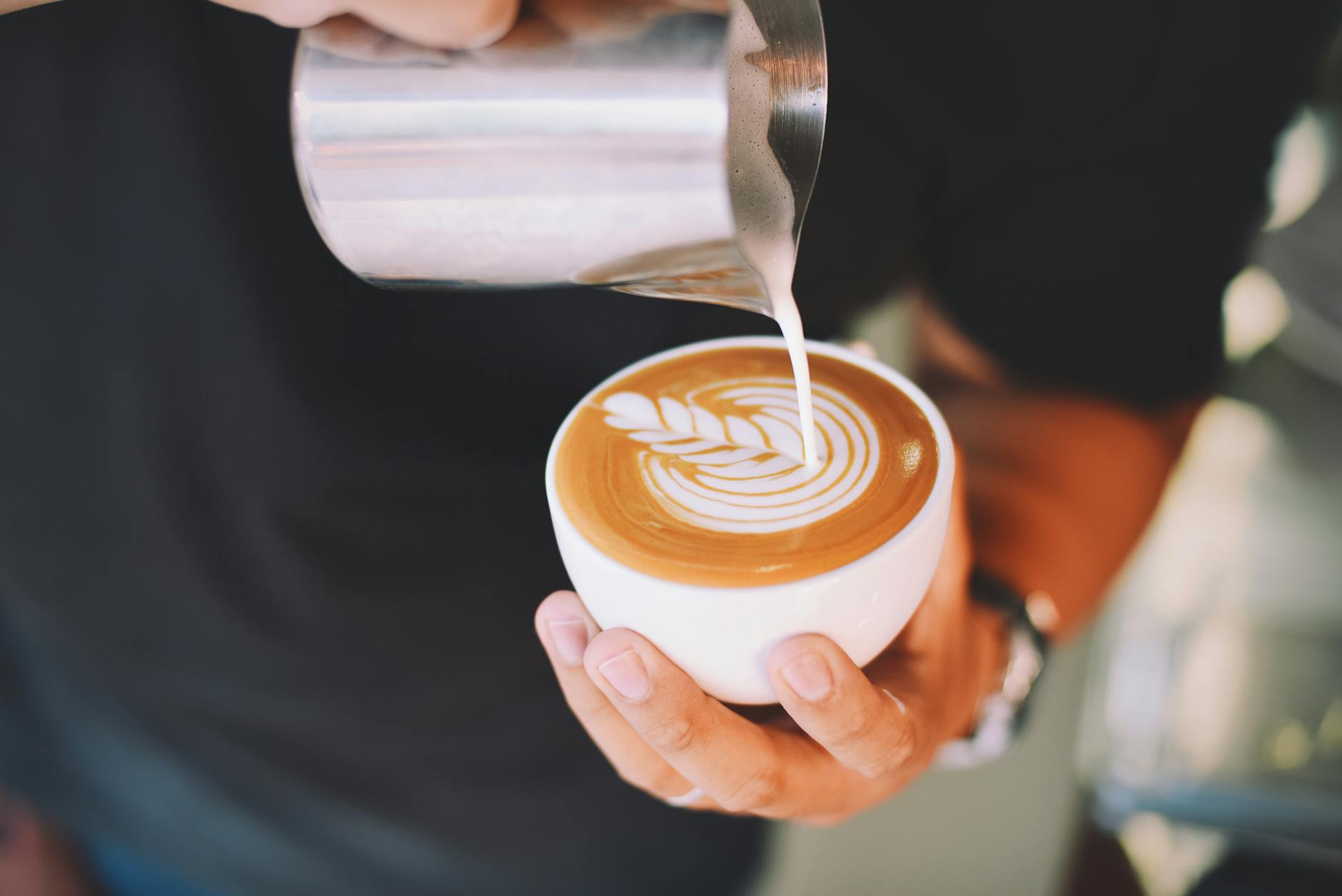
So Which Should You Order?
Neither version is inherently better — they serve different purposes and satisfy different cravings.
Choose traditional masala chai if you:
- Want the full spice experience
- Prefer to control your own sweetness
- Care about calorie and sugar intake
- Enjoy the ritual of making tea
- Want the most authentic flavor
Choose a chai latte if you:
- Want a creamy, milk-forward drink
- Enjoy the cafe experience
- Prefer a milder spice profile
- Are transitioning from coffee and want something familiar
The best option: Make your chai latte at home using real chai powder instead of sweetened concentrate. You get the latte format — creamy, warm, satisfying — with the real spice flavor and none of the hidden sugar. It takes about two minutes and costs under a dollar per cup.
At Meria Chai, every cup starts with six organic spices and black tea. No sugar, no fillers, no "natural flavors." You add the milk and sweetness you want. That is how chai is supposed to work — you are in control.
Frequently Asked Questions
Is "chai tea" the same as "chai latte"?
Not exactly. "Chai tea" typically refers to spiced tea in general — black tea brewed with spices like cardamom, cinnamon, and ginger. A "chai latte" specifically means that spiced tea combined with steamed or frothed milk, similar to how a caffe latte is espresso plus steamed milk. All chai lattes are made with chai, but not all chai is prepared as a latte.
Why do people say "chai tea" if chai already means tea?
The redundancy comes from Western coffee shops needing to differentiate spiced tea from regular tea. "Chai" alone did not immediately communicate "spiced" to English speakers, so "chai tea" became the standard term in American cafes and grocery stores. It is technically redundant, but it is so widely used that it has effectively become its own term in English.
Is a chai latte healthier than a regular chai?
It depends entirely on preparation. An 8 oz homemade chai latte made with unsweetened chai powder and oat milk has roughly 95-125 calories and 0g added sugar. A 16 oz coffee-shop chai latte made from sweetened concentrate has 240-300 calories and about 42g of sugar. The latte format itself is not unhealthy — it is the sweetened concentrate that causes the problem. See our Chai Latte Calories breakdown for full numbers.
Does a chai latte have more caffeine than regular chai?
Generally, no. Both contain roughly the same amount of caffeine (25-50mg from the black tea base) since the difference is primarily in milk preparation, not tea concentration. However, a "dirty chai latte" — which adds an espresso shot — does have significantly more caffeine (about 105-115mg with one shot). The caffeine in chai comes from the tea itself, and the amount of tea used is similar in both preparations.
Can I make a chai latte without sugar?
Yes — if you start with the right base. Using unsweetened chai powder (real ground spices and tea, not concentrate), you can make a chai latte with zero added sugar. The spices provide enough warmth and complexity that many people find sweetener unnecessary. If you want a touch of sweetness, add honey or maple syrup to taste. The key is starting with an unsweetened base so the decision is yours. See our Chai Latte Recipe for step-by-step instructions.
What is the difference between masala chai and a chai latte?
Masala chai is the traditional Indian preparation: black tea simmered on the stovetop with whole or ground spices (cardamom, cinnamon, ginger, cloves, pepper) and milk, all cooked together. A chai latte is the Western coffee-shop adaptation: a chai base (usually concentrate or powder) combined with separately steamed milk, served in a larger cup. The main differences are preparation method (simmered together vs combined separately), sweetness level (optional vs built-in), and serving size (4-6 oz vs 12-20 oz). Learn more in our guide to What Is Masala Chai.
Try Real Chai
Shop the unsweetened chai latte powder Six organic spices, black tea, nothing else. Make a traditional cup or a proper latte — you decide how sweet, how strong, how you like it.
Free shipping on every order.
These statements have not been evaluated by the Food and Drug Administration. This product is not intended to diagnose, treat, cure, or prevent any disease.
