
What Is Masala Chai?
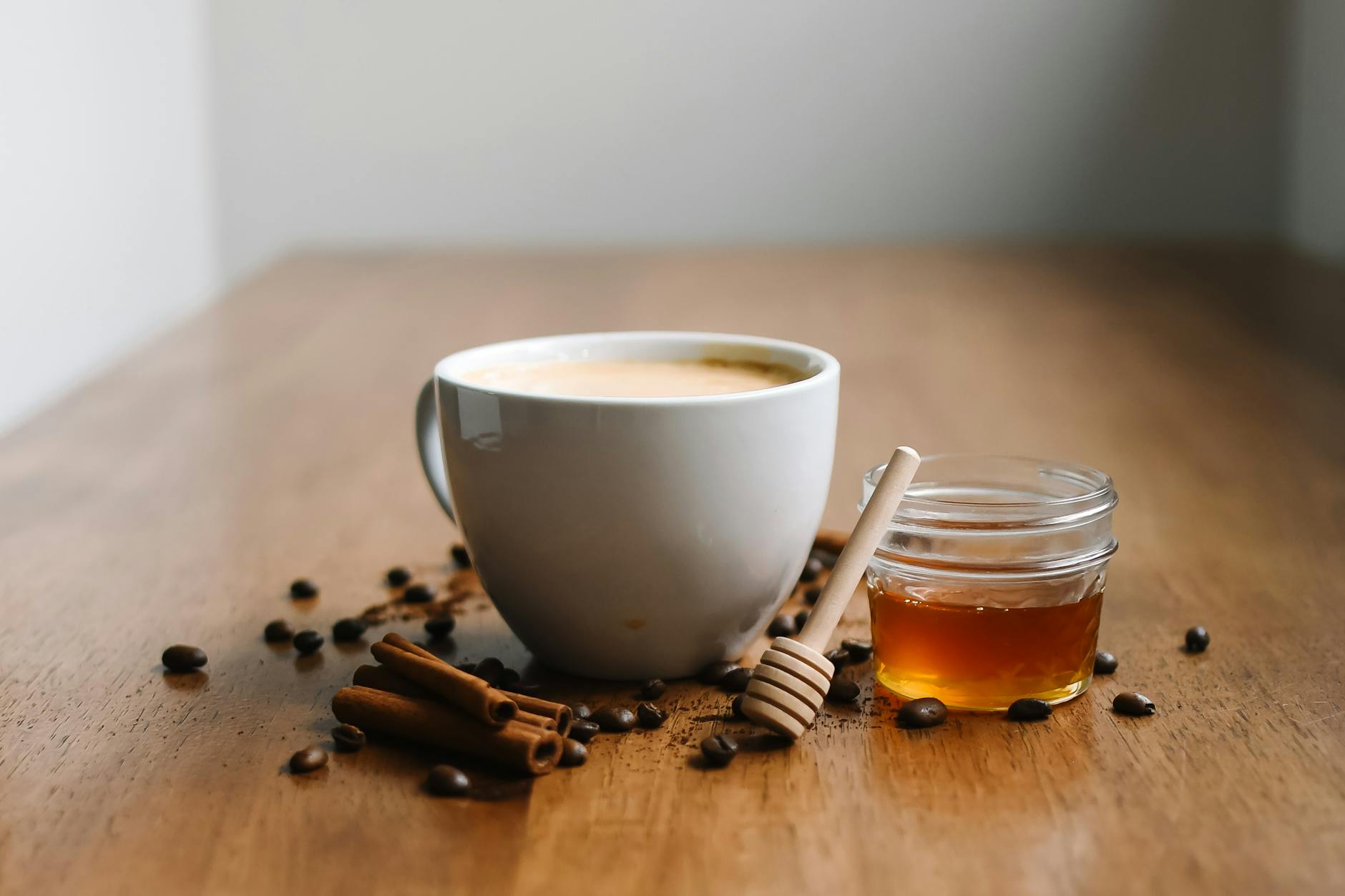
Masala chai is a spiced tea made by simmering black tea with cardamom, cinnamon, ginger, cloves, and black pepper, then blending with milk. Over 1.3 billion people in India drink it daily—making it one of the world's most consumed beverages. The word "masala" means "spice blend" in Hindi, while "chai" means "tea," which is why "chai tea" is technically redundant.
Authentic masala chai is simmered, not steeped—this creates a richer, more aromatic beverage where the spices fully infuse into the liquid. Modern instant versions like Meria Chai replicate this depth using freeze-dried instant black tea powder and organic ground spices. The tea dissolves; the ground spices do not — they stay in suspension, which is why the powder needs heat and hard mixing rather than a gentle stir.
> "When we first opened Café Meria, customers kept asking why our chai tasted different. The answer was simple: we used real spices, not flavoring." — Jesse, Founder
Zero sugar · Six organic spices · Café-tested · 58¢ per 8 oz cup · Free shipping on every order · Supplier batch-tested for heavy metals · Small batch
Historical Background
Spiced herbal beverages predated tea's introduction to India, with ginger, cardamom, cloves, and similar warming spices used for warmth and digestive support. Black tea became integrated into Indian chai culture during the 1800s British colonial period when Assam tea cultivation expanded.
Over time, the combination of tea, milk, sugar, and spices evolved into the modern masala chai tradition. Today, India produces over 1.3 billion kilograms of tea annually, with a significant portion consumed domestically as chai.
Barista-quality masala chai
No sugar. No stevia. No exceptions.
Meria Chai is black tea and six organic spices — the same blend we pour at the café, with no sweetener of any kind in it. You decide the sweetness, or you don’t.
Get my chai · From $19Free shipping • Cancel anytime
The Essential Spices
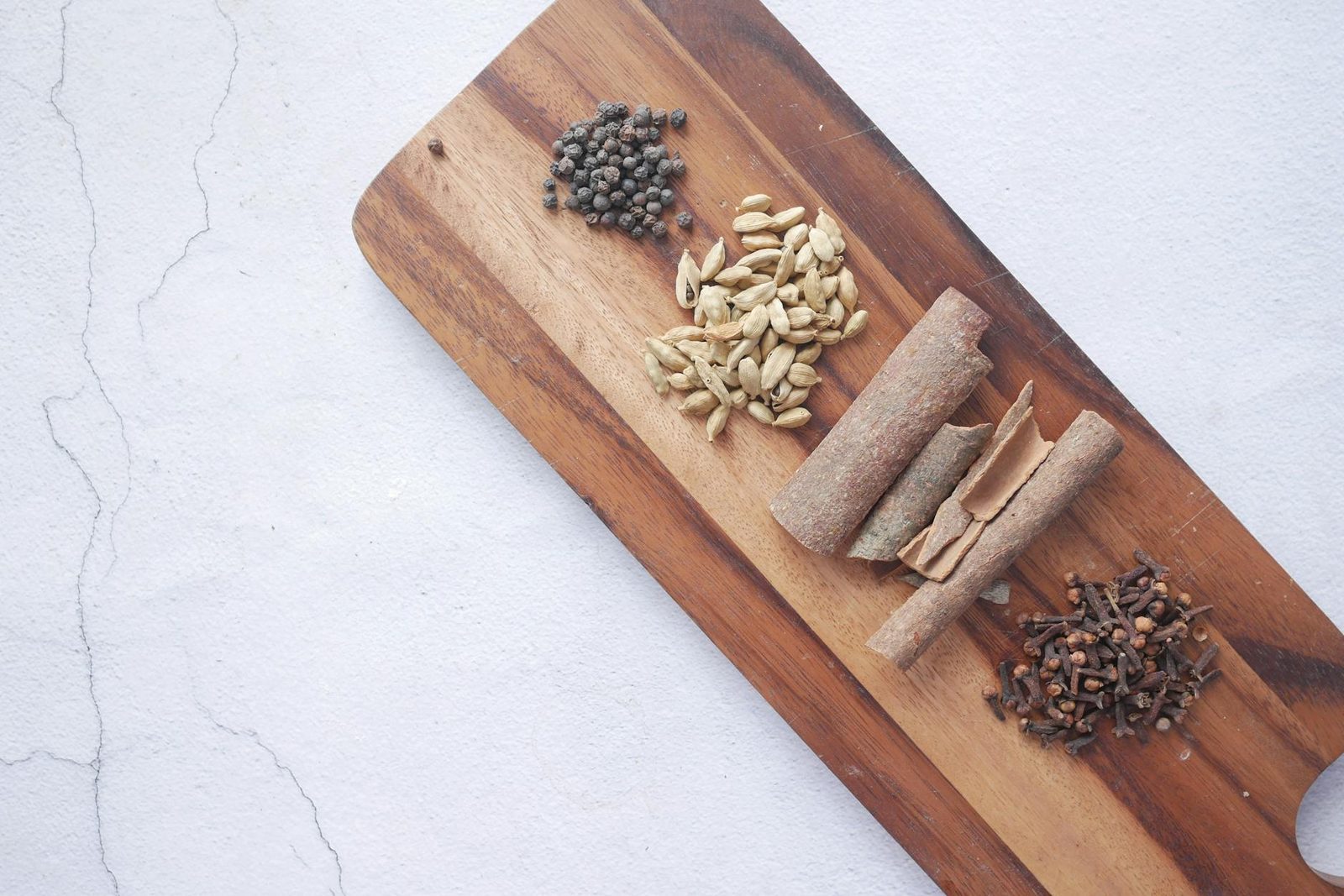
Traditional masala chai blends typically include:
- Cardamom – The signature flavor, floral and slightly sweet
- Cinnamon – Adds warmth and natural sweetness
- Ginger – Provides the "kick"
- Cloves – Deep, warming undertones
- Black pepper – Brightens the blend with a slow heat
No single "correct" recipe exists; variations reflect regional and personal preferences. Meria Chai uses six of these spices in organic form.
Health Considerations
Many chai spices have been widely studied and traditionally used around the world. In masala chai they are there for flavor: ginger for heat, cardamom for aroma, cinnamon for warmth, cloves for depth.
Research published in the Journal of Food Science has measured cloves among the most antioxidant-rich foods tested, making them a subject of ongoing scientific interest.
Caffeine Content
Masala chai contains approximately 25–50 mg of caffeine per cup—substantially less than coffee's 95-165mg. The presence of L-theanine in tea contributes to a smoother caffeine experience without the jitters.
| Beverage | Caffeine (mg) |
|---|---|
| Masala chai | 25-50 |
| Black coffee | 95-165 |
| Espresso shot | 63 |
| Green tea | 25-40 |
How Authentic Chai Is Made
Authentic preparation requires simmering tea and spices gently with water and milk, allowing flavors to fully infuse into a cohesive beverage rather than simply steeping tea leaves.
Masala Chai vs. Chai Latte
Traditional masala chai emphasizes tea and is simmered. Café-style chai lattes typically feature brewed chai combined with steamed milk, often with increased sweetness and milk content.
Selecting Quality Chai
When choosing chai, prioritize products featuring real tea and identifiable spices. Avoid those dominated by sugar, artificial flavoring, or vague "natural flavor" descriptions.
Key label indicators of quality chai:
- Tea or spices listed as first ingredients
- Short ingredient list (under 10 items)
- No maltodextrin or corn syrup solids
- Organic certification preferred
The After-Meal Tradition
In much of India chai follows the meal rather than accompanies it, and the custom is old enough to predate
any nutritional explanation of it. The spices in the cup — ginger, cardamom, clove, black pepper — are the
same ones that appear in the digestive mixes served after food across South Asia, which is why the drink
reads as a natural close to a meal rather than an addition to it.
Treat that as tradition rather than as a remedy: the practice is well documented, the mechanism is not
something this page can claim for you. If you want to try it the way it is usually done, make the cup small,
unsweetened or barely sweetened, and drink it fifteen to thirty minutes after eating rather than immediately.
Cultural Significance
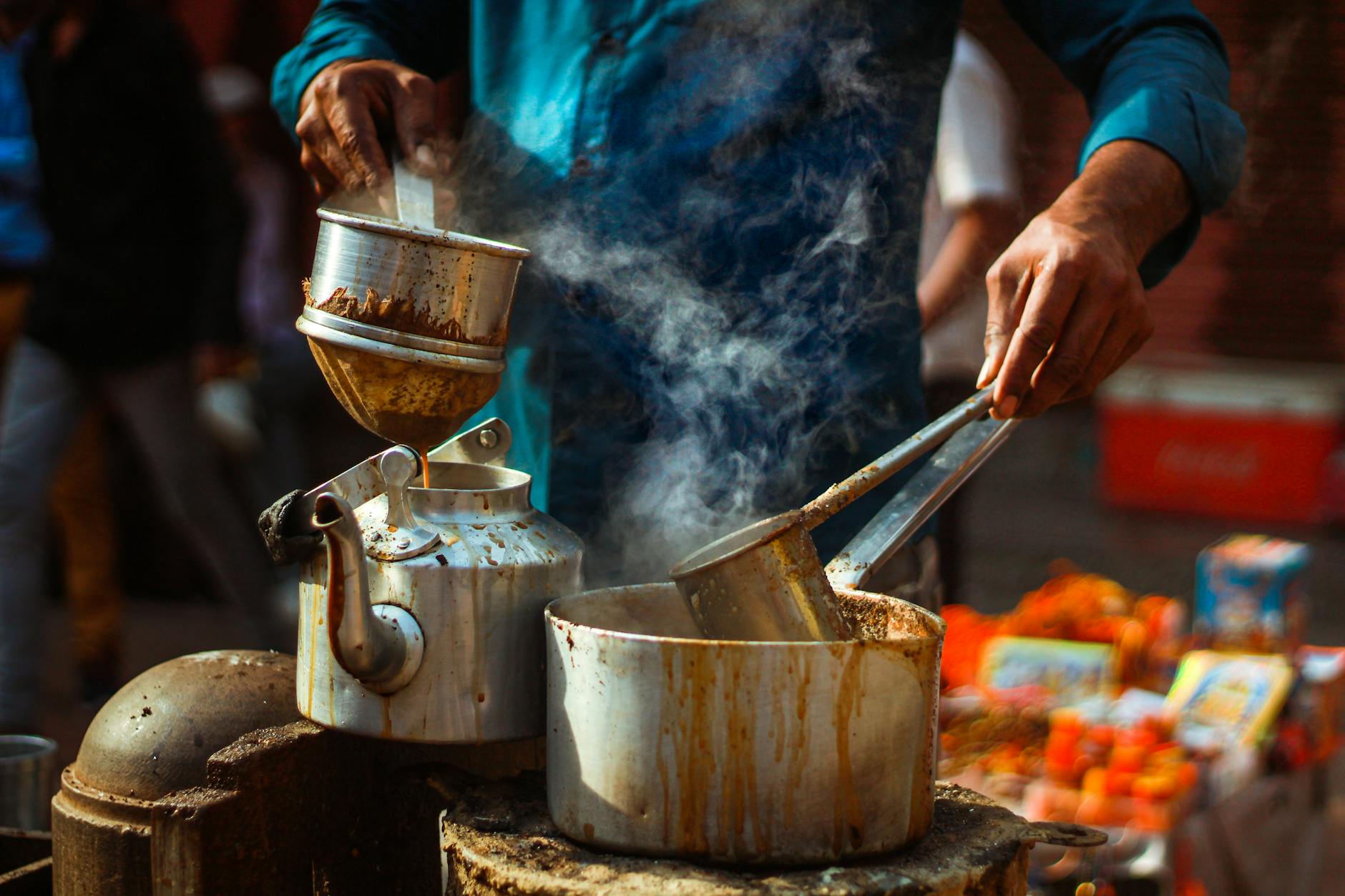
In India, chai transcends beverage status—it represents hospitality, conversation, and daily rhythm. The chai wallah (tea seller) is a fixture of Indian streets, serving fresh chai from morning until night.
Experience Real Masala Chai
Try the instant masala chai powder → Black tea and six organic-sourced spices. Zero sugar, zero fillers. No steeping, no straining.
Free shipping on every order.
These statements have not been evaluated by the Food and Drug Administration. This product is not intended to diagnose, treat, cure, or prevent any disease.
