
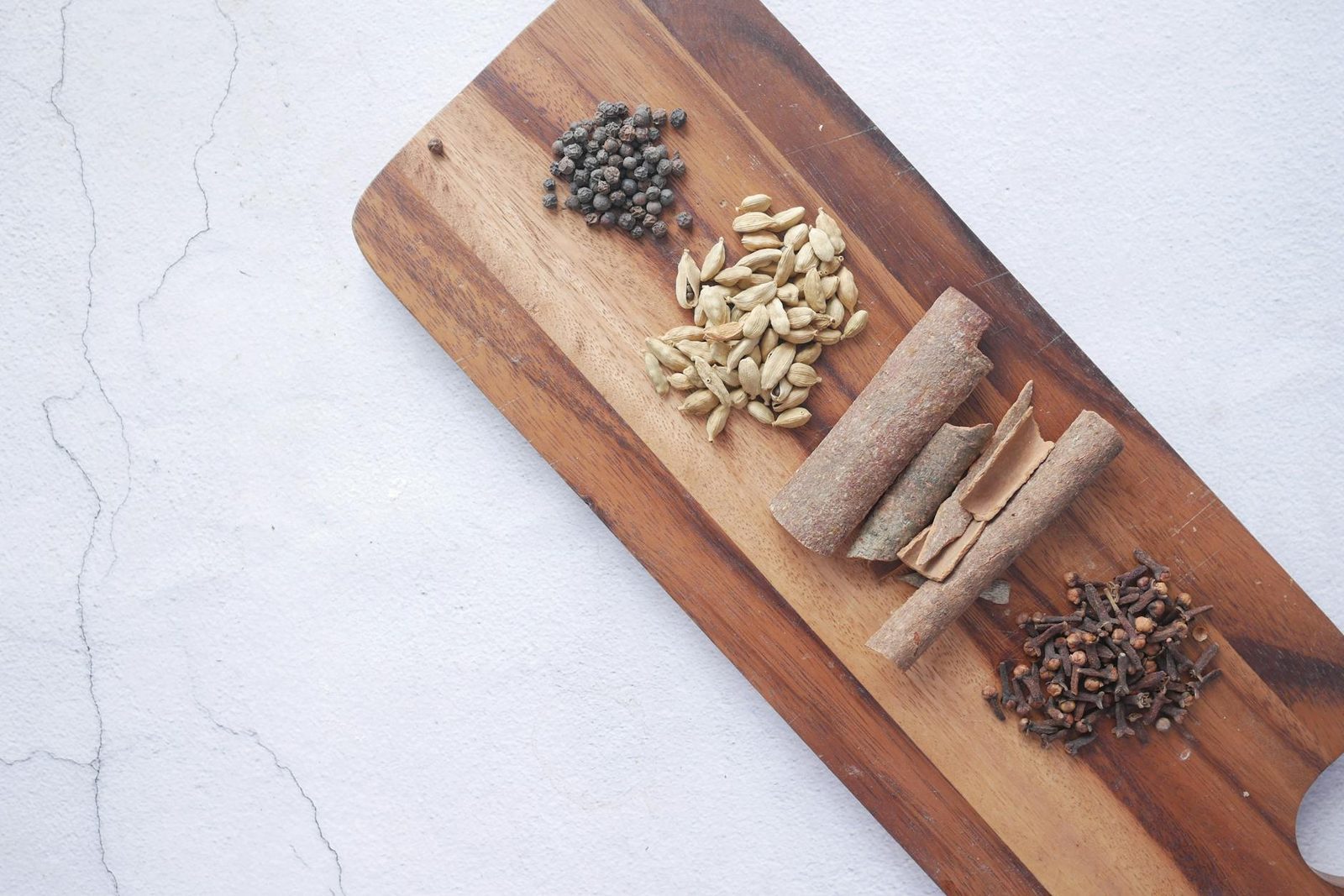
Just Seven Ingredients
Meria Chai uses just seven organic ingredients, each intentionally chosen for flavor and nourishment. No sugar, no artificial flavors, no fillers. You can read the entire ingredient list in about three seconds — and you'll recognize every single word.
That's not an accident. It's a decision we made early on at Cafe Meria, when we stopped stocking the sweet, syrupy chai concentrates and started building a blend from scratch. The rule was simple: every ingredient has to earn its place. If it doesn't add flavor or function, it doesn't go in.
> "Every ingredient has to earn its place. If it doesn't add flavor or function, it doesn't go in." — Jesse, Founder
Here's what's in every cup — and why each one matters.
Zero sugar · Six organic spices · Café-tested · 58¢ per 8 oz cup · Free shipping on every order · Supplier batch-tested for heavy metals · Small batch
1. Organic Black Tea Powder
The foundation.
High-quality instant black tea that dissolves completely and delivers robust flavor without bitterness. This is the base that every other ingredient builds on — the body and backbone of the cup.
In the chai tradition: Black tea has been the foundation of masala chai in South Asia for well over a century, originally introduced through British colonial-era tea cultivation. The strong, tannic character of black tea is what allows bold spices to express themselves without overpowering the cup.
Flavor profile: On its own, the tea is full-bodied and slightly malty with a clean finish. You'll notice it most in the first sip — that warm, grounding quality that immediately registers as "tea." It provides the canvas that spices paint on.
Why it matters:
- Rich in polyphenols that are widely studied in nutrition research
- Contains L-theanine, an amino acid found in tea leaves
- Concentrated source of plant compounds
- Approximately 50mg caffeine per serving — less than half a cup of coffee, but enough to feel present
Sourcing note: Not all instant tea is the same. Lower-quality versions taste papery or bitter, often because they're made from dust-grade tea leaves. We use a concentrated powder that retains flavor complexity — you should taste tea, not just caffeine.
Barista-quality masala chai
No sugar. No stevia. No exceptions.
Meria Chai is black tea and six organic spices — the same blend we pour at the café, with no sweetener of any kind in it. You decide the sweetness, or you don’t.
Get my chai · From $19Free shipping • Cancel anytime
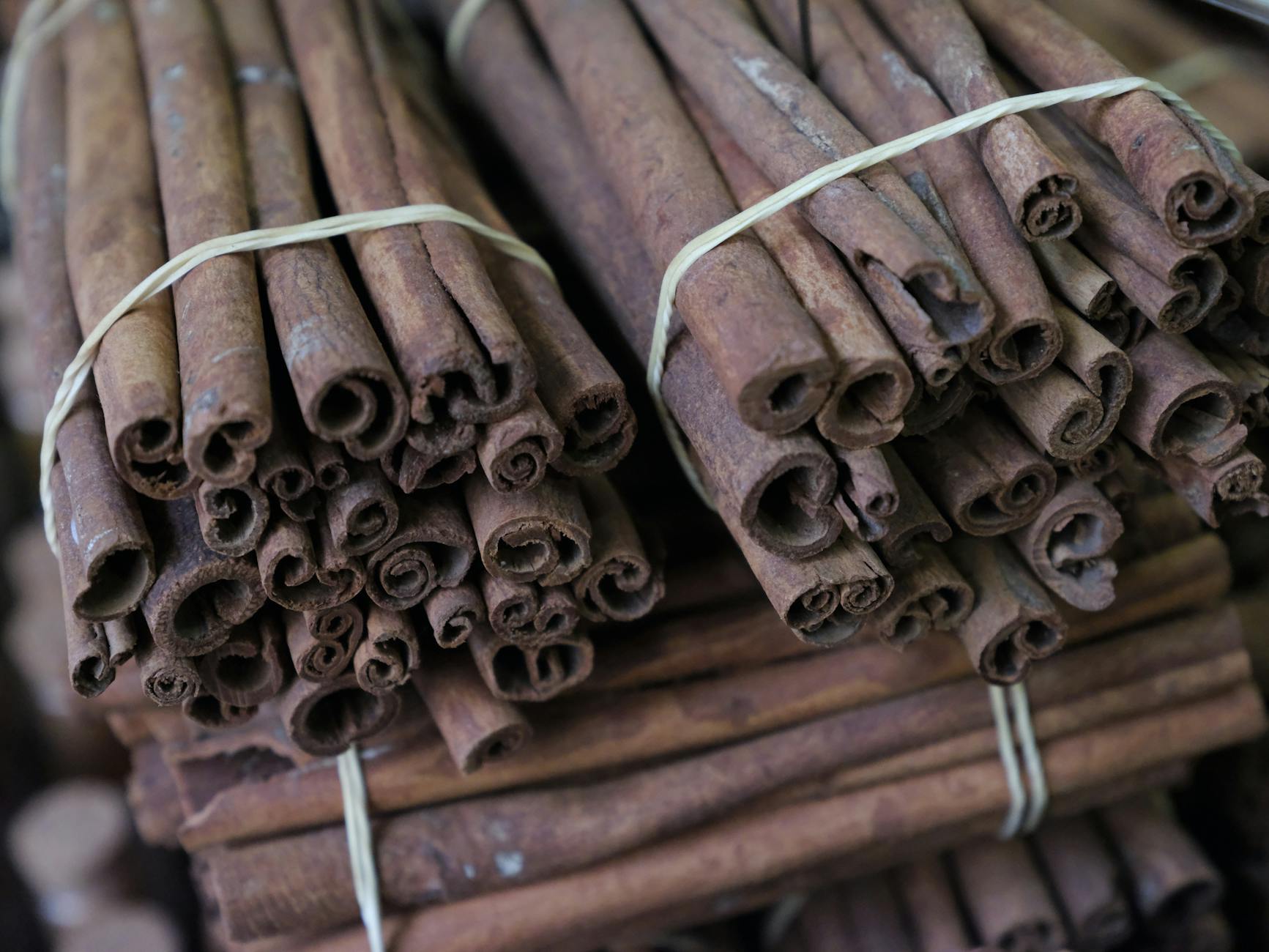
2. Organic Cinnamon
The warmth.
Cinnamon is the first thing most people notice in a cup of chai — that immediate, enveloping warmth that makes the whole experience feel like a hug. We source our cinnamon from a supplier who provides batch testing documentation for heavy metals — Certificate of Analysis (COA) results are available on request.
In the chai tradition: Cinnamon has been one of the most traded spices in human history, valued in ancient Egypt, medieval Europe, and across the Indian subcontinent for thousands of years. In masala chai, it's the spice that creates the "warming" character most people associate with the drink.
Flavor profile: Sweet and woody, with a gentle heat that builds slowly. Good cinnamon has a complexity to it — not just "spicy," but layered, with notes that can remind you of caramel or toasted wood. You'll taste it most clearly in the middle of each sip, when the initial tea flavor gives way to the spice blend.
Why it matters:
- A classic chai spice with a warm, comforting profile
- Contains cinnamaldehyde, a naturally occurring antioxidant compound
- Traditionally used in chai for its warming, aromatic character
- Sourced from a supplier who provides batch testing documentation for lead, arsenic, cadmium, and mercury
- We prioritize supplier-verified testing over marketing claims
Sourcing note: Heavy metal contamination in cinnamon made headlines in 2023-2024, with FDA recalls affecting multiple brands. The variety of cinnamon matters less than whether your supplier actually tests for contaminants. We chose ours based on documented test results, not marketing labels. (Read our full breakdown in Which Cinnamon Is Safe?)
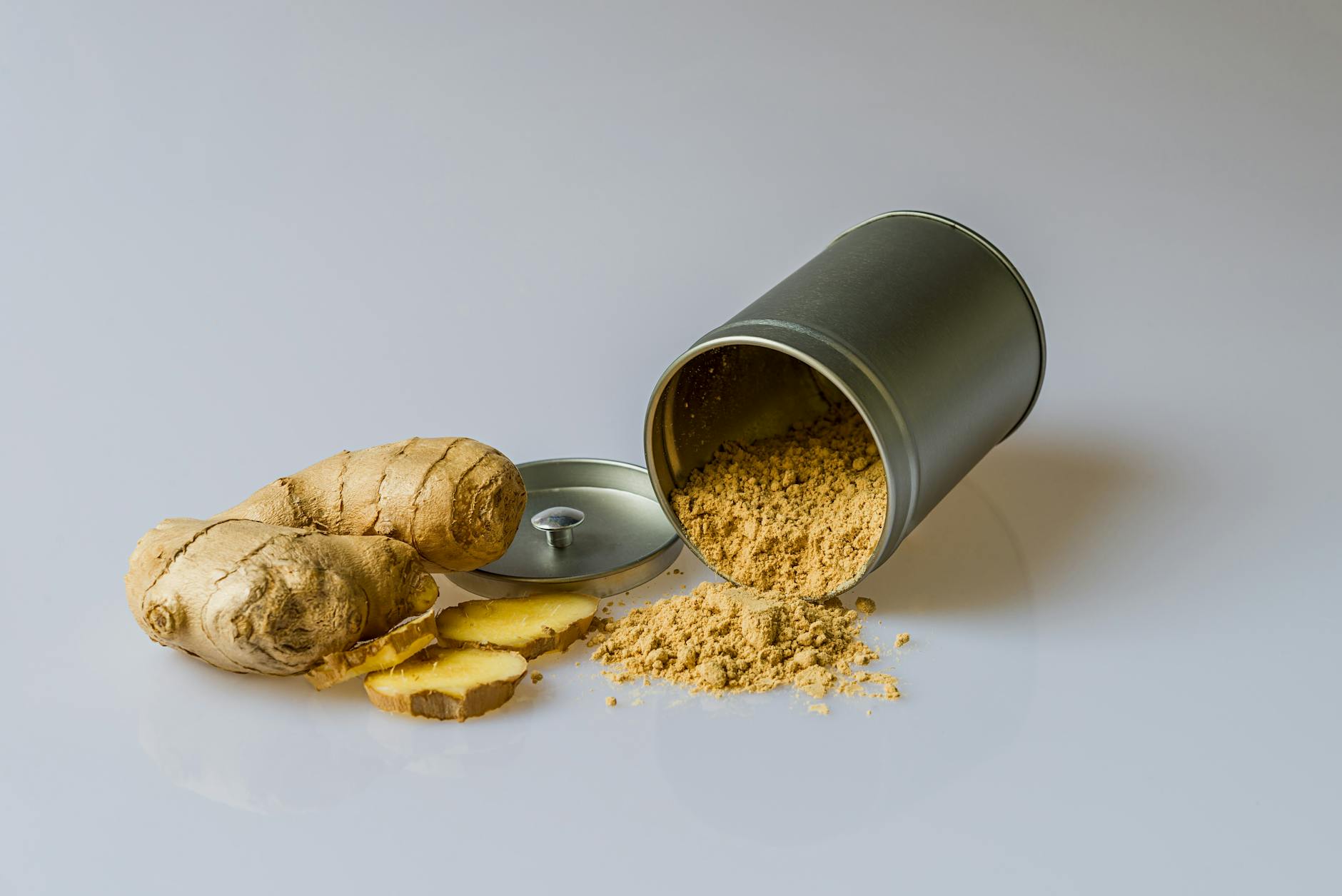
3. Organic Ginger
The kick.
Ginger is what gives chai its bite — that vibrant, slightly sharp quality that lifts the entire cup and keeps it from feeling heavy or flat. Without ginger, chai would be all warmth and no brightness.
In the chai tradition: Ginger has been central to Ayurvedic and South Asian culinary traditions for millennia, long before it became a chai ingredient. In India, fresh ginger (adrak) is often crushed directly into the pot when making chai from scratch. Our powdered form captures that same aromatic intensity in a shelf-stable format.
Flavor profile: Bright, almost citrusy at first, with a slow-building warmth that settles into the back of the throat. Ginger is the spice you feel as much as you taste — it's what makes you go "ah" after a sip. In our blend, it plays off the deeper warmth of cinnamon and clove, keeping the overall flavor lively.
Why it matters:
- A traditional warming spice in South Asian drinks and cooking
- One of the most-studied culinary spices in nutrition research
- Known for its warming, aromatic properties
- Adds brightness and forward energy to the spice blend
Sourcing note: Ginger quality varies enormously. Some powdered ginger is mild and stale, almost chalky. Good organic ginger should smell sharp and alive when you open the bag. If your ginger doesn't make your nose tingle, it won't make your chai sing either.
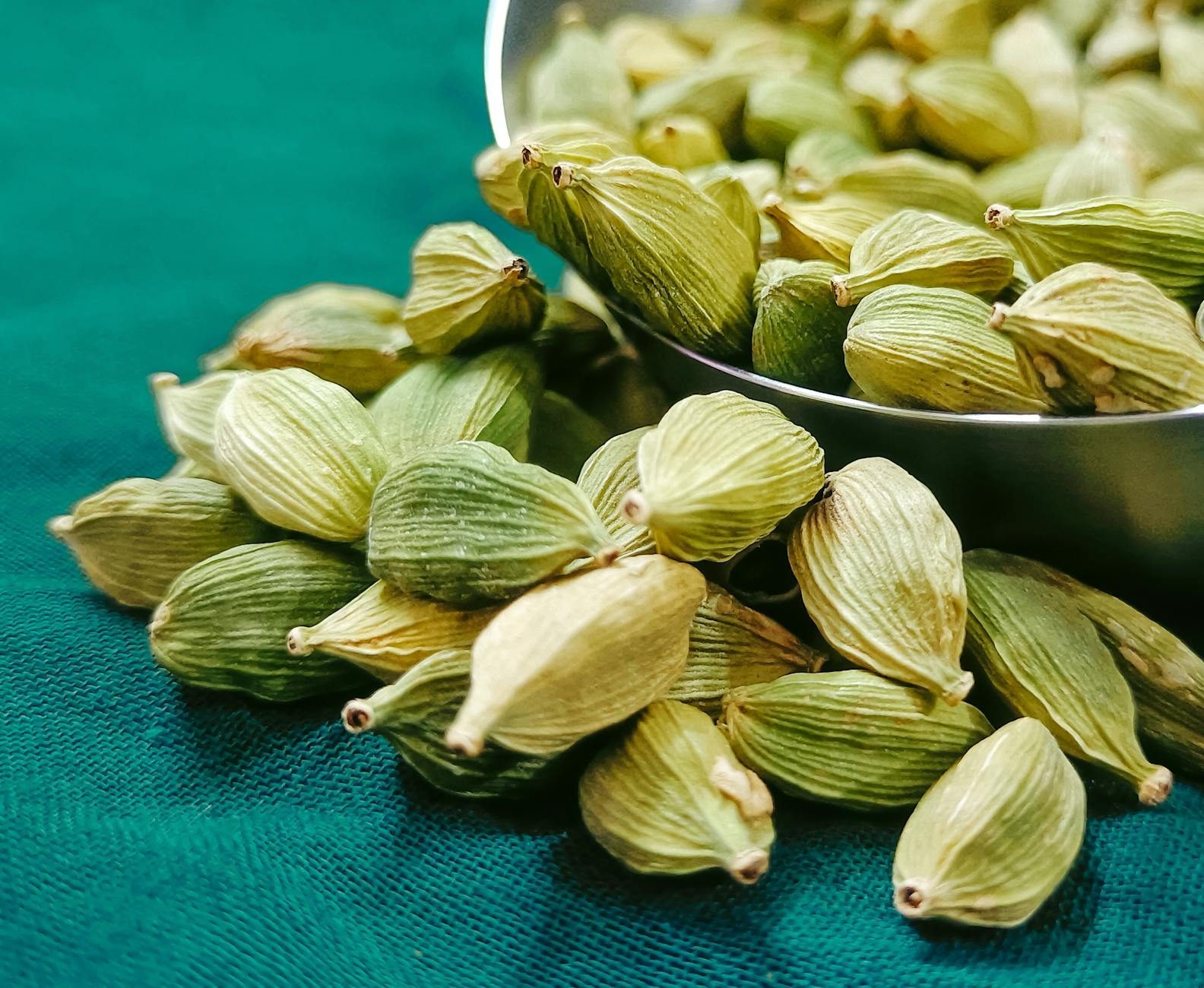
4. Organic Cardamom
The soul.
If there's one spice that defines authentic masala chai, it's cardamom. Warm yet cooling, sweet yet complex — cardamom is what separates real chai from generic "spiced tea." It's the spice that chai lovers notice first and miss most when it's absent.
In the chai tradition: Known as the "Queen of Spices" in Indian culinary tradition, cardamom has been grown in the Western Ghats of southern India for at least a thousand years. It's inseparable from the idea of masala chai — a cup without cardamom is, for many people, simply not chai. In traditional preparation, whole green cardamom pods are lightly crushed before being simmered in the pot.
Flavor profile: This is the most complex spice in the blend. It's simultaneously sweet, floral, slightly mentholated, and warm. Some people describe it as "eucalyptus meets vanilla," which isn't quite right but gestures at the range. In the cup, cardamom tends to hit at the very end of a sip — a cooling, almost perfumed finish that invites you to take another drink.
Why it matters:
- Traditionally valued in culinary and wellness traditions across South Asia, the Middle East, and Scandinavia
- Often cited as being rich in plant compounds
- Natural breath-freshening properties — there's a reason it shows up in so many after-dinner traditions
- Balances the warmth of other spices with a cooling complexity
- One of the world's most expensive spices by weight — which is why most mass-market chai mixes use minimal amounts or substitute with "natural flavors" instead
Sourcing note: Cardamom is expensive. Full stop. At the time of writing, organic green cardamom runs $30-50+ per pound, depending on grade and origin. This is the ingredient where you can most clearly tell the difference between a chai that uses real spices and one that cuts corners. If a chai tastes flat or generic, it's often because the cardamom was skipped or replaced.
5. Organic Clove
The depth.
Clove adds that dark, grounding note that prevents chai from feeling flat or one-dimensional. It's a bold spice — a little goes a long way — and in the right proportion, it provides the bass note that holds everything together.
In the chai tradition: Cloves have a long history in the spice trade, originating from the Maluku Islands of Indonesia and traded across Asia, Africa, and Europe for centuries. In masala chai, clove acts as an anchor — the deep, resonant note underneath the brighter flavors of ginger and cardamom. Traditional chai wallahs in India often use just one or two whole cloves per pot, knowing how easily it can dominate.
Flavor profile: Intensely aromatic, with a warm, almost medicinal quality that's immediately recognizable. Think of it as the "winter" note in the blend — the spice that makes chai feel substantial and soul-warming on a cold day. In our blend, it's present but not dominant, adding richness without taking over.
Why it matters:
- Often cited as being exceptionally rich in antioxidant compounds among common culinary spices
- Long valued in traditional culinary applications across multiple cultures
- A warming spice with bold, grounding character
- Adds complexity and richness to the overall blend
Sourcing note: Quality clove should have a strong, almost sharp aroma right out of the bag. If it smells dusty or muted, it's likely old or poorly stored. Because clove is so potent, even small quality differences show up clearly in the finished cup.
6. Organic Nutmeg
The roundness.
Nutmeg is the quiet one. It doesn't announce itself the way ginger or clove does. Instead, it ties everything together with a creamy, almost nostalgic warmth that smooths out the edges and makes the whole blend feel cohesive.
In the chai tradition: Nutmeg, native to the Banda Islands of Indonesia, was once so valuable that European colonial powers fought wars over control of its production. While not always included in every regional variation of masala chai, it's common in richer, more complex blends — particularly those served in homes rather than street stalls. It's a finishing spice, not a lead ingredient.
Flavor profile: Warm, slightly sweet, with a woody nuttiness that's hard to pinpoint but easy to notice when it's missing. Nutmeg doesn't hit you on the first sip. Instead, it works in the background, creating a sense of fullness and "completeness" — that feeling when all the flavors are in balance and nothing is missing. It also contributes to a perceived sweetness, which helps our blend taste satisfying without added sugar.
Why it matters:
- Often described as warming and grounding in traditional use
- A subtle spice that rounds out complex blends without dominating
- Adds perceived sweetness without sugar
- Creates that "complete" chai flavor — the sense that nothing is missing
Sourcing note: Pre-ground nutmeg loses its aromatic oils quickly, which is why freshly grated nutmeg smells dramatically different from the jar that's been in your spice rack for three years. We source organic nutmeg processed for maximum volatile oil retention, so it actually contributes to the cup rather than just appearing on the ingredient list.
7. Organic Black Pepper
The unsung hero.
Most people don't realize pepper is in their chai, but take it out and you'd notice immediately — the blend would feel muted, less vibrant, as though someone turned the volume down on every other spice. Black pepper is the ingredient that brightens and lifts everything else.
In the chai tradition: Black pepper was one of the most important spices in the ancient world, sometimes called "black gold" because it was literally used as currency. In masala chai, pepper has always been part of the traditional spice mix — it's one of the ingredients that makes chai "masala" (spiced) rather than just "chai" (tea). In Ayurvedic tradition, black pepper is often combined with ginger and long pepper in a blend called trikatu, valued for its warming properties.
Flavor profile: You won't taste "pepper" in the way you'd taste it on a steak. In chai, black pepper contributes a subtle warmth at the very back of the palate — a gentle tingle that makes the ginger brighter, the cinnamon warmer, and the cardamom more fragrant. It's a flavor amplifier, not a standalone flavor.
Why it matters:
- Contains piperine, a compound that has been widely studied for its influence on the bioavailability of other plant compounds
- Often paired with other spices in traditional blends for this synergistic quality
- Adds a gentle warming finish that deepens with each sip
- Lifts and brightens the entire blend
Sourcing note: Like all spices, freshness matters. Good black pepper should smell sharp and almost floral when ground. Stale pepper just tastes like heat. Because piperine is the active compound that creates synergy with other spices, the quality of the pepper directly affects how the whole blend performs.
How the Blend Works Together
Individual ingredients tell you what's in the cup. What makes a chai blend work — or not — is how those ingredients interact.
Warming vs. Cooling
The seven ingredients in Meria Chai aren't all doing the same thing. Some are warming spices (cinnamon, clove, ginger, black pepper) that create that characteristic chai heat. Others, like cardamom, have a cooling, almost menthol-like quality. Nutmeg sits in the middle — warm but smooth. The interplay between warming and cooling is what gives a well-made chai its complexity, its sense of movement within a single sip.
If you used only warming spices, the blend would be one-dimensional — just heat. If you leaned too far into cardamom, the blend would feel thin and perfume-like. The balance is everything.
The Piperine Effect
Black pepper's piperine doesn't just add flavor. It has been widely studied for its ability to influence the bioavailability of certain plant compounds — essentially, how well your body can absorb them. This is why traditional spice blends across many cultures have long combined black pepper with other spices. The traditional chai masala, developed over centuries of intuitive culinary refinement, got this right long before modern research began exploring why.
Why Ratio Matters
You can have all seven ingredients and still make bad chai. Too much clove overwhelms everything. Too little cardamom and it tastes generic. Too much ginger and it becomes a ginger tea with extras. The ratio is what separates a balanced, nuanced cup from one that's dominated by a single flavor.
We spent months adjusting the proportions — testing at Cafe Meria with real customers, getting feedback, making small changes, testing again. The blend you get in the pouch is the ratio that earned the most repeat orders and the fewest requests for modifications.
Why This Tastes Different
Most mass-market chai mixes rely on sugar, "natural flavors," creamers, and fillers like maltodextrin. These ingredients dilute both the spice profile and the nutritional value of what should be a simple, clean drink.
By removing everything unnecessary, we let the authentic spice profile emerge:
- Warmth from cinnamon and clove
- Brightness from ginger and pepper
- Aroma from cardamom
- Depth from nutmeg
- Boldness from quality black tea
Seven ingredients. Zero compromises.
What's NOT in Meria Chai
Sometimes what you leave out matters as much as what you put in. Here's what you won't find in our blend — and why.
Sugar
Most instant chai mixes list sugar as the first or second ingredient. That means there's more sugar in the pouch than tea or spices. We leave sugar out entirely so you can control the sweetness yourself. Want it sweet? Add honey, maple syrup, or your preferred sweetener. Want it unsweetened? It's already there. Your cup, your call.
"Natural Flavors"
The term "natural flavors" on a food label sounds reassuring, but it's surprisingly broad. Under FDA regulations, "natural flavor" can refer to any flavoring derived from a natural source — including highly processed extracts that bear little resemblance to the original ingredient. In practice, "natural flavors" in chai often means the product uses flavor compounds to mimic spices like cardamom and ginger rather than including the actual spices in meaningful quantities. We use real, whole-ground organic spices instead.
Maltodextrin and Fillers
Maltodextrin is a processed starch (usually derived from corn) that's used as a filler, bulking agent, and carrier for flavors in powdered mixes. It's cheap, it dissolves easily, and it makes a small amount of actual ingredients look like a larger serving. It also has a high glycemic index — higher than table sugar. You'll find maltodextrin in a surprising number of "chai" products. We don't use it.
Creamers and Dairy Powders
Many instant chai mixes include powdered cream, milk derivatives, or non-dairy creamers (which often contain hydrogenated oils and additional additives). These ingredients turn a chai mix into a pre-made latte — convenient, but it means you can't choose your own milk, control the richness, or make it dairy-free. Meria Chai is just the tea and spices, which means it works equally well with oat milk, whole milk, almond milk, coconut milk, or anything else you prefer.
Artificial Colors or Preservatives
The color of your chai should come from tea and spices — nothing else. We don't add anything to adjust color, extend shelf life artificially, or improve appearance. The blend is what it is.
Frequently Asked Questions
Are all the ingredients organic?
We source organic ingredients for all 7 components — black tea, cinnamon, ginger, cardamom, clove, nutmeg, and black pepper. The finished blended product itself is not certified organic. See our Sourcing page for full transparency.
Is Meria Chai vegan, gluten-free, and nut-free?
Yes to all three. Meria Chai contains only tea and spices — no dairy, no gluten-containing ingredients, no nuts, and no soy. It's naturally compatible with vegan, paleo, keto, and Whole30 diets. (As always, if you have a specific allergy, check with your healthcare provider.)
How much caffeine is in one serving?
Approximately 50mg per serving, which is roughly half the caffeine in a standard cup of coffee (95mg) and slightly more than a cup of brewed black tea (40-45mg). The L-theanine naturally present in black tea is often associated with a smoother, more focused energy experience compared to coffee — less jittery, more sustained.
Why isn't there sugar in the blend?
Because we think you should decide how sweet your chai is — not us. Most mass-market chai mixes contain more sugar than spices, which masks the actual flavor of the ingredients. By keeping sugar out, we let you taste the real spice profile and add exactly as much (or as little) sweetness as you prefer. Many of our customers drink it completely unsweetened and love it.
What does "instant" mean — is it heavily processed?
"Instant" means the blend goes straight into liquid without needing to steep or simmer. The black tea is brewed, freeze-dried, and turned into a powder — similar to how quality instant coffee is made from freeze-dried brewed coffee. The spices are organic and ground fine enough to disperse evenly — they do not dissolve, they stay in suspension, which is why the drink wants heat and hard mixing. This isn't the same as ultra-processed instant products that use chemical extraction — it's real tea and real spices in powder form.
Can I see the testing documentation?
Yes. We source our cinnamon from a supplier who provides batch-specific Certificate of Analysis (COA) documentation for heavy metals, including lead, arsenic, cadmium, and mercury. If you'd like to see the results, contact us and we'll share what we have. Transparency isn't a marketing angle for us — it's how we source.
How should I store Meria Chai?
Keep the pouch sealed and stored in a cool, dry place. The spices retain their potency best when kept away from heat, moisture, and direct sunlight. An airtight container works well once you've opened the pouch.
How many servings are in one pouch?
Each pouch contains 33 servings of 1.5 g — that is a level espresso-scale scoop, roughly half a teaspoon, for an 8 oz cup. A little goes a long way — the blend is concentrated, so you don't need much to get full flavor.
Try It Yourself
Seven organic ingredients. No sugar, no fillers, no "natural flavors." The same blend served daily at Cafe Meria in Charlevoix, Michigan — now available to make at home.
Shop the unsweetened chai powder
These statements have not been evaluated by the Food and Drug Administration. This product is not intended to diagnose, treat, cure, or prevent any disease.
