
The Question Everyone Gets Wrong
When people ask "which cinnamon is safer—Ceylon or Cassia?" they're asking the wrong question.
The real question is: Does your cinnamon supplier test for heavy metals and share the results?
> "The safest cinnamon is the one backed by verified, third-party heavy-metal testing—regardless of whether it's Cassia or Ceylon." — Jesse, Founder of Meria Chai
Here's why this matters, and how we chose our cinnamon.
TL;DR
- If you consume cinnamon regularly, prioritize minimizing lead exposure first
- Choose suppliers that provide current, third-party heavy-metal testing documentation
- Cinnamon variety (Cassia vs Ceylon) matters for coumarin only at unusually high intake levels—not for typical culinary use
Our position: For foods consumed regularly, we believe minimizing lead exposure matters more than cinnamon variety. Coumarin is dose-dependent and metabolized; lead accumulates. That's why we chose the cinnamon with the lowest documented lead levels we could verify.
From Our Café to Your Kitchen
No sugar. No stevia. No exceptions.
Meria Chai is black tea and six organic spices — the same blend we pour at the café, with no sweetener of any kind in it. You decide the sweetness, or you don’t.
Free shipping • Cancel anytime
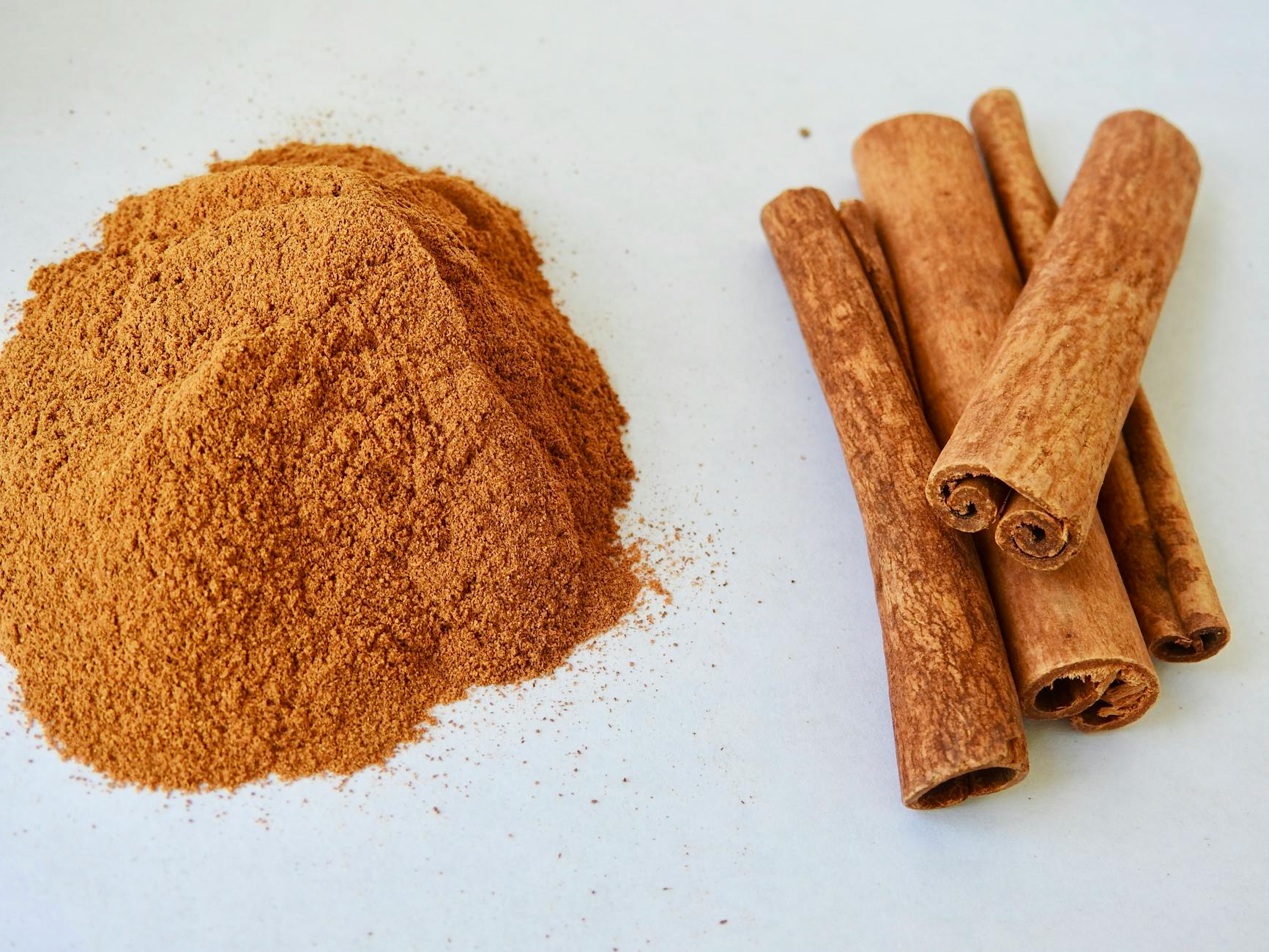
Two Types of Cinnamon: What You've Heard
There are two main types of cinnamon:
| Factor | Ceylon ("True") | Cassia (Common) |
|---|---|---|
| Origin | Sri Lanka | China, Indonesia, Vietnam |
| Coumarin content | 0.004% | ~1.0% |
| Price | Higher ($15-30/lb) | Lower ($3-8/lb) |
| Flavor | Delicate, complex | Bold, sharp |
You've probably read that Ceylon is "safer" because it has less coumarin—a compound that in high doses can affect the liver. The European Food Safety Authority has set guidelines around coumarin intake.
But here's what most articles miss: For the average person drinking chai once or twice a day, coumarin from Cassia cinnamon is not a major concern. You'd need to consume quite a lot, consistently, to approach problematic levels.
The Real Danger: Lead Contamination
What IS a major concern—and what made headlines in 2023-2024—is lead contamination in cinnamon.
Recent FDA recalls and findings:
- October 2023: WanaBana cinnamon applesauce recalled—lead levels 200x above safe limits
- March 2024: FDA found elevated lead in cinnamon from multiple countries
- 2024 FDA testing: 25% of imported ground cinnamon samples exceeded lead guidelines
How lead gets into cinnamon:
- Soil contamination in growing regions
- Processing equipment contamination
- Intentional adulteration (lead chromate added for color/weight)
The critical point: Lead contamination can affect BOTH Ceylon and Cassia cinnamon. It depends entirely on the supplier's sourcing and quality controls—not the cinnamon variety.
Why Lead Is Different: Your Body Can't Get Rid of It
Here's the biological reality most cinnamon articles ignore:
Coumarin is metabolized and excreted. Your liver processes coumarin (via cytochrome P450 enzymes), and your body eliminates it through urine. The half-life is roughly 1-2 hours. This is why the EFSA sets a daily intake limit—your body essentially resets each day.
Lead bioaccumulates. There's no efficient pathway to excrete lead. It deposits in your bones and soft tissues. Estimates suggest the half-life of lead in blood is around 30 days, but in bones it can persist for years or even decades. Every exposure adds to your lifetime body burden.
This is the key difference:
- Coumarin risk = acute liver stress from consistently high doses (relevant mainly for supplements or multiple teaspoons daily)
- Lead risk = cumulative lifetime exposure that your body cannot efficiently clear
For most chai drinkers, this distinction matters: coumarin is something your body can metabolize and clear, so guidance focuses on daily intake thresholds—especially relevant for high-dose use like supplements. Lead is different: it can persist and accumulate in the body over time, which is why public health agencies treat lead exposure as a cumulative risk and emphasize reducing ongoing exposure—especially for products consumed regularly.
With Cinnamon, You're Choosing a Supplier
Here's what we learned when sourcing cinnamon for Café Meria:
Marketing labels like "natural," "premium," or even "organic" don't tell you whether the cinnamon has been tested for heavy metals. You can have organic cinnamon that's contaminated with lead.
What actually matters:
- Does the supplier test every batch for heavy metals?
- Do they share Certificate of Analysis (COA) documentation?
- Are their lead levels well below FDA action levels (2.1 ppm)?
When you're buying cinnamon—whether Ceylon or Cassia—you're not just choosing a species. You're choosing a supplier's quality system.
Cinnamon in Chai: How Much Are You Actually Consuming?
One of the most useful things you can do when evaluating cinnamon safety is put the numbers in context. A cup of chai does not contain the same amount of cinnamon as a supplement capsule or a batch of cinnamon rolls—and the difference matters.
A typical cup of spiced chai contains roughly 0.3 to 0.5 grams of cinnamon. That is a fraction of a teaspoon, blended with black tea and several other spices. Here is how that compares to other common cinnamon sources:
| Source | Approximate Cinnamon | Typical Frequency |
|---|---|---|
| Cup of chai | 0.3–0.5 g | Daily |
| Cinnamon supplement capsule | 0.5–1.5 g | Daily |
| Teaspoon of ground cinnamon (in oatmeal, smoothie, etc.) | ~2.6 g | Varies |
| Single cinnamon roll | 1.5–3.0 g | Occasional |
| Tablespoon of ground cinnamon (baking recipe, shared across servings) | ~7.8 g total | Rare |
What this tells you about coumarin: The EFSA's tolerable daily intake for coumarin is 0.1 mg per kg of body weight. For a 70 kg (154 lb) adult, that works out to about 7 mg per day. Cassia cinnamon contains roughly 1% coumarin by weight, so 0.5 g of Cassia cinnamon delivers approximately 5 mg of coumarin—within the EFSA guideline for most adults. At one to two cups of chai per day, a typical chai drinker stays well within the range that regulators consider acceptable for daily consumption. Someone taking a high-dose cinnamon supplement or adding a full teaspoon to every meal is in a different category entirely.
What this tells you about lead: Here is where the math works differently. Because lead accumulates, what matters is not just the amount per serving but the consistency of exposure over time. A daily chai habit means daily cinnamon intake—modest per serving, but ongoing. That is precisely the pattern where supplier testing becomes most important. Even low levels of lead, consumed every day for months or years, add to your body's total burden. The question is not whether a single cup of chai is dangerous (it is not). The question is whether the cinnamon in that cup has been verified to have minimal lead content, given that you are consuming it regularly.
This is why we focus less on cinnamon variety and more on what the lab results actually say. At the amounts present in a cup of chai, coumarin is well within normal food-use levels. Lead, on the other hand, is the variable that depends entirely on your supplier's sourcing and testing practices.
Our Supplier's Testing Data
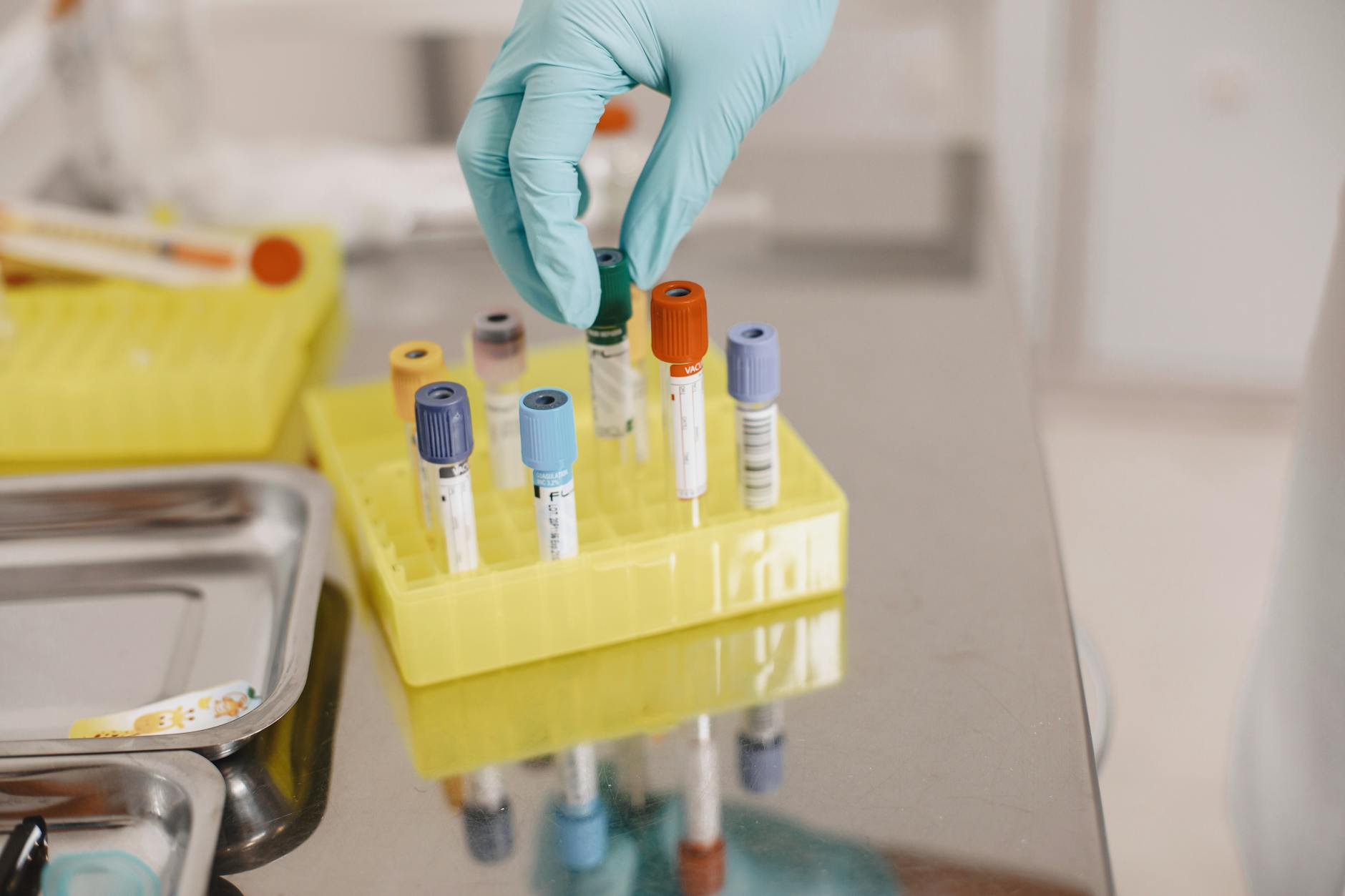
We source our cinnamon (and most spices) from a supplier that provides batch testing documentation and shares results with us. Their reported heavy metal levels come in significantly lower than the levels that triggered recent FDA recall recommendations for ground cinnamon.
What we can share:
- Our supplier provides Certificate of Analysis (COA) documentation
- We can share our supplier's most recent COA on request
- We don't test in-house; we rely on supplier COAs and verify the documentation
Note: We're not claiming to meet a specific "FDA limit"—the regulatory landscape for spice contaminants is evolving. What we can say is that our supplier's reported levels are well below the thresholds that have triggered recent public health alerts.
Why we share this: We believe in transparency. If you're consuming something daily, you deserve to know it's been tested—and that the supplier provides documentation.
Reading a Certificate of Analysis (COA)
If you ask a brand for their COA and they actually provide one, you will want to know what you are looking at. A Certificate of Analysis is a document issued by a laboratory that reports the results of testing performed on a specific batch of product. It is the standard form of proof in the food and supplement industry—but not all COAs are created equal.
What a credible COA includes:
- Laboratory name and accreditation. The testing should be performed by an independent, third-party lab—not the supplier's own internal facility. Look for accreditations like ISO/IEC 17025, which indicates the lab meets international standards for testing competence.
- Date of testing. A COA from three years ago does not tell you anything about the batch you are buying today. Look for recent dates that correspond to current inventory.
- Batch or lot number. This ties the test results to a specific production run. Without a batch number, there is no way to confirm the results apply to the product in your hands.
- Specific analyte results. For heavy metals, you want to see individual results for lead (Pb), arsenic (As), cadmium (Cd), and mercury (Hg)—reported in parts per million (ppm) or micrograms per gram (mcg/g), which are equivalent units.
- Detection limits. A good COA will state the method's limit of detection (LOD) or limit of quantification (LOQ). If a result reads "< 0.01 ppm," that means the level was below what the instrument could measure—which is a good sign.
Interpreting ppm numbers for lead in cinnamon:
- Below 0.5 ppm: Well below levels of concern. This is where you want to see your supplier's results.
- 0.5–1.0 ppm: Still within ranges that many regulators consider acceptable, but worth monitoring if you are a daily consumer.
- 1.0–2.0 ppm: Approaching the FDA's current action level guidance. Ask questions.
- Above 2.1 ppm: At or above the FDA's reference level that has triggered enforcement actions. This is the range where recent recalls have occurred.
For context, the cinnamon products recalled in 2023-2024 had lead levels many times above these thresholds—some exceeding 5 ppm, with the worst cases far higher.
Red flags in COA documents:
- No lab name or accreditation listed. If you cannot identify who performed the testing, the document has limited value.
- Missing batch numbers. Generic COAs that are not tied to a specific lot may be outdated or applied to multiple products indiscriminately.
- "In-house testing only." Supplier self-testing is better than no testing, but it lacks the independence that gives a COA its credibility. Third-party verification is the standard.
- Vague results. Entries like "Passes" or "Within limits" without specific numbers do not tell you what the actual levels are. You want to see the measured value, not just a pass/fail.
- Old dates with no updates. A single COA from years ago, reused across batches, suggests the supplier tested once and stopped. Ongoing testing is what demonstrates a real quality system.
If a brand provides a COA that checks all these boxes—recent date, identified third-party lab, batch-specific, with actual ppm values—that tells you they take this seriously. If they cannot provide one at all, that tells you something too.
Why Most Brands Don't Test (Or Share Results)
Testing costs money. Publishing results creates accountability. For brands selling chai at commodity prices ($0.30-0.50 per serving), rigorous testing cuts into already thin margins.
It's easier to:
- Source the cheapest cinnamon available
- Slap "natural" or "premium" on the label
- Hope nothing goes wrong
The 2023-2024 recalls showed what happens when suppliers cut corners. Children were hospitalized because of lead-contaminated cinnamon in applesauce pouches.
How We Chose Our Cinnamon
When we created Meria Chai for daily service at Café Meria, our decision framework was simple:
- Testing over claims: We chose ingredients that come with real proof—not just marketing
- Supplier accountability: Our spice supplier provides batch testing documentation and shares COAs
- Levels matter: We prioritized the lowest documented heavy-metal levels we could verify through COA documentation
- Daily-use safety: Many of our customers drink chai every day. We needed to be confident in what we were serving.
When we sourced cinnamon for Meria Chai, we evaluated both Cassia and Ceylon options. Our requirement was simple: current lab testing documentation (COA) for heavy metals. In practice, we were unable to find a Ceylon supplier willing to consistently share lead testing data at the standards we required. We chose the option that allowed us to verify the lowest lead exposure—even if that meant going against common marketing narratives.
This approach costs more. A pouch of Meria Chai is $25 for 33 servings ($0.75/serving). Cheaper chai brands sell for $0.30-0.50/serving. We believe verified safety is worth the difference.
What to Look for When Buying Cinnamon (or Chai)
Questions to Ask Any Brand
- "Do you test your cinnamon for heavy metals?"
- "Can you share your Certificate of Analysis?"
- "What are your lead levels compared to FDA limits?"
If a brand can't answer these questions, they either don't know or don't want to tell you. Both are concerning for something you consume daily.
Labels That Don't Mean Much
- "Natural" — No regulated definition
- "Premium" — Marketing term
- "High quality" — Says nothing about testing
What Actually Matters
- Third-party testing documentation
- Specific heavy metal levels (in ppm)
- Transparent sourcing from identified suppliers
Coumarin: The Context
You might still be wondering about coumarin. Here's the full picture:
Your body processes coumarin. Unlike lead, coumarin is metabolized by your liver and excreted within hours. This is why regulators set daily limits—your body clears it and resets. The concern is consistent high-dose intake that stresses the liver faster than it can recover.
For occasional cinnamon users (baking, occasional chai): Coumarin is not a significant concern for either Ceylon or Cassia. Enjoy your cinnamon.
For daily high-dose users: If you're adding multiple teaspoons of straight cinnamon to smoothies every day, or taking cinnamon supplements, then Ceylon's lower coumarin content may be relevant. But this describes very few people.
For daily chai drinkers: The amount of cinnamon in a cup of chai is modest—well within typical food-use levels. Lead contamination—which your body cannot efficiently clear—is the more pressing concern for regular consumers, and that's controlled by supplier testing, not cinnamon variety.
The Bottom Line
The cinnamon safety debate has been framed wrong. It's not about Ceylon vs Cassia. It's about:
- Does your supplier test for heavy metals?
- Will they share the results?
- Are the levels well below safety limits?
At Meria Chai, we prioritize verified testing over marketing claims. We source from a supplier who provides batch testing documentation. Their reported levels are well below the thresholds that triggered recent FDA cinnamon recalls.
That's the transparency we'd want if we were buying from someone else. So that's what we offer.
Try Meria Chai — Supplier-Verified, Cafe-Proven
Every pouch of Meria Chai uses cinnamon from a supplier who provides third-party heavy metal testing documentation. It is the same recipe served daily at Cafe Meria in Charlevoix, Michigan—seven clean ingredients, zero additives, and supplier COA available on request.
Shop the unsweetened chai powder
FAQs
Is Cassia cinnamon dangerous?
For most people, no. The coumarin concern applies mainly to high-dose daily users (multiple teaspoons of straight cinnamon). For normal chai consumption, lead contamination is the more relevant safety issue—and that depends on your supplier, not the cinnamon type.
Do you use Ceylon or Cassia cinnamon?
We use Cassia cinnamon from a supplier that provides batch testing documentation for heavy metals. We chose our supplier based on their testing documentation and reported levels, not the cinnamon variety. COA available on request.
Is organic certification enough?
No. Organic certification addresses pesticides and farming practices, not heavy metal contamination. You can have organic cinnamon that contains lead.
Can I see the testing documentation?
Contact us and we'll share our supplier's most recent Certificate of Analysis. We believe in full transparency.
What about cinnamon supplements?
Supplements often contain higher doses than food products. If you're taking cinnamon supplements daily, look for brands that provide third-party testing verification—and ask about both coumarin content and heavy metal levels.
How do I know if my chai is tested?
Ask. Any brand that tests will be happy to share results. Silence or vague answers usually mean they don't test, don't know their supplier's practices, or don't want to be accountable.
Can I give chai with cinnamon to my kids?
Children are more vulnerable to lead exposure than adults because their bodies absorb a higher percentage of ingested lead and their developing systems are more sensitive to its effects. For that reason, the question is less about cinnamon itself and more about whether the cinnamon has been tested for heavy metals. A cup of chai made with tested, low-lead cinnamon contains a modest amount of the spice—well within normal food-use levels. If you are giving your child chai regularly, the most important step is confirming that the brand tests for heavy metals and can share documentation. As always, consult your pediatrician with specific questions about your child's diet.
How often should a brand re-test their cinnamon?
Ideally, every batch. At minimum, suppliers should test with each new shipment of raw material—which typically means several times per year. Cinnamon sourced from different harvests, regions, or processing facilities can vary significantly in contamination levels, so a single test from years ago does not provide meaningful assurance about current inventory. When evaluating a brand, ask when their most recent COA was issued and whether it corresponds to the product they are currently selling.
Is Vietnamese cinnamon safe?
Vietnamese cinnamon (Cinnamomum loureiroi, often called Saigon cinnamon) is prized for its high essential oil content and intense flavor. It also tends to have higher coumarin levels than other Cassia varieties. But as with all cinnamon, the safety question comes down to the supplier, not the origin. Vietnamese cinnamon that has been tested and verified for low heavy metal levels is a sound choice. Vietnamese cinnamon from an untested source carries the same risks as any other untested cinnamon. The country of origin tells you about flavor profile—the COA tells you about safety.
