
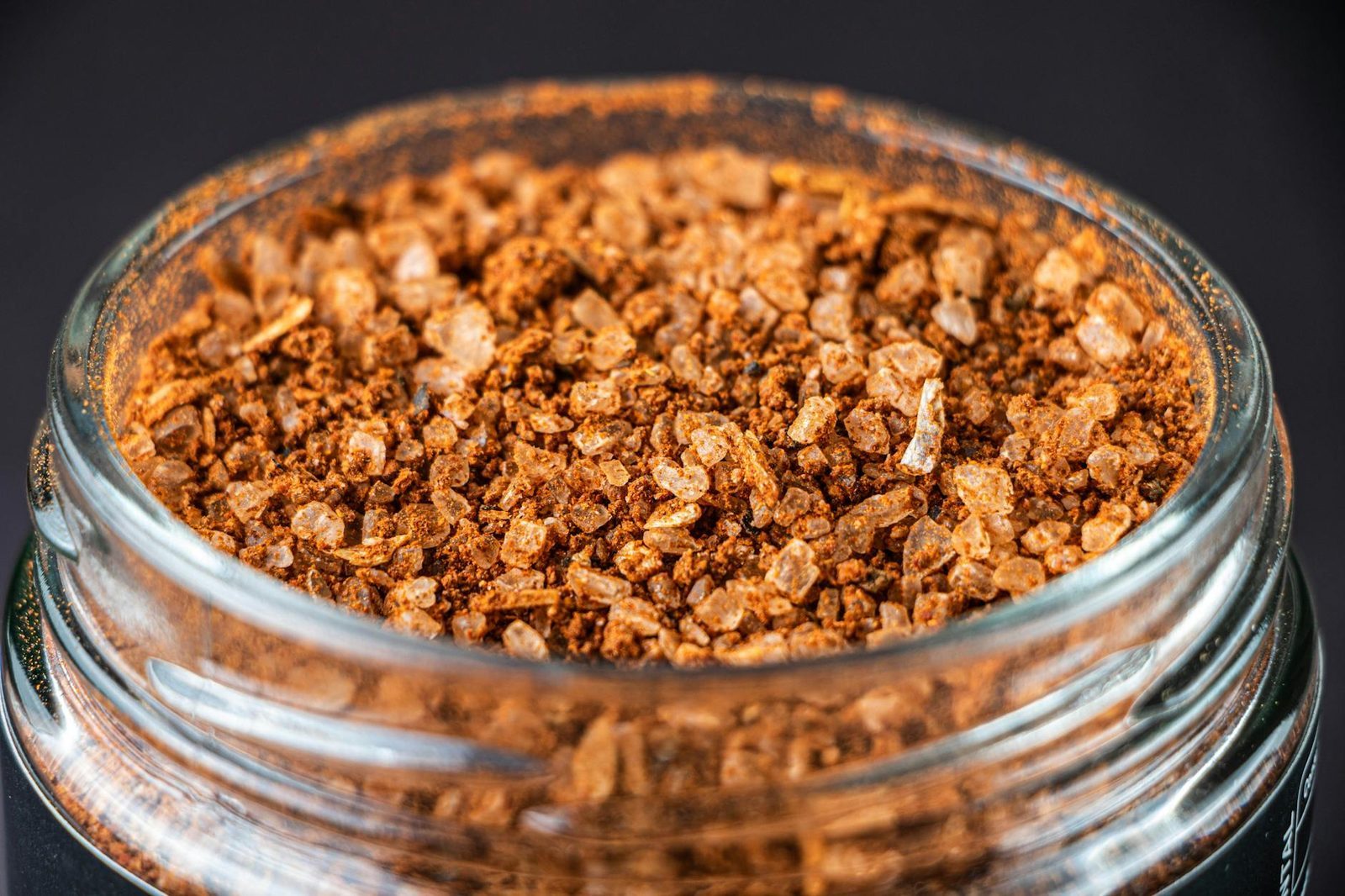
The Mass-Market Chai Problem
Walk into any grocery store and you'll find chai options from major brands—colorful boxes promising "authentic" chai lattes, convenient chai concentrates, and instant chai powders. What you won't find on the front of the package is what's actually inside.
The truth: Most mass-market chai is a sugar delivery system with chai flavoring, not real chai made from tea and spices.
This guide breaks down exactly what's in mass-market chai, why it's made that way, and how to identify clean chai that's actually worth drinking.
Zero sugar · Six organic spices · Café-tested · 58¢ per 8 oz cup · Free shipping on every order · Supplier batch-tested for heavy metals · Small batch
What "Mass-Market Chai" Really Means
Mass-market chai refers to chai products manufactured at scale for grocery stores, coffee chains, and wholesale distribution. These products prioritize:
- Shelf stability (2+ year expiration dates)
- Cost efficiency (cheap ingredients, high margins)
- Broad appeal (sweetened to match American taste preferences)
- Consistency (identical taste across millions of units)
None of these priorities require actual chai ingredients. And that's the problem.
Barista-quality masala chai
No sugar. No stevia. No exceptions.
Meria Chai is black tea and six organic spices — the same blend we pour at the café, with no sweetener of any kind in it. You decide the sweetness, or you don’t.
Get my chai · From $19Free shipping • Cancel anytime
The Ingredient Reality Check
Typical Mass-Market Chai Label
Here's what you'll find in many popular grocery-store chai powders (in order of quantity):
| Position | Ingredient | What It Is |
|---|---|---|
| 1st | Sugar or Maltodextrin | Filler/sweetener |
| 2nd | Nonfat dry milk or Creamer | Texture agent |
| 3rd | Vegetable oil (hydrogenated) | Creamy texture, cheap |
| 4th | "Natural flavors" | Lab-created taste |
| 5th | Silicon dioxide | Anti-caking agent |
| 6th-10th | Mono/diglycerides, sodium caseinate, dipotassium phosphate | Emulsifiers and stabilizers |
| 11th+ | Spice extracts, tea powder | Actual chai ingredients |
Notice: The actual tea and spices appear after 10+ other ingredients. Sugar is #1.
What Clean Chai Contains
| Position | Ingredient | What It Is |
|---|---|---|
| 1st | Black tea | The foundation of chai |
| 2nd | Cinnamon | Real ground spice |
| 3rd | Ginger | Real ground spice |
| 4th | Cardamom | Real ground spice |
| 5th | Cloves | Real ground spice |
| 6th | Nutmeg | Real ground spice |
| 7th | Black pepper | Real ground spice |
That's it. No fillers. No sugar. No "natural flavors."
Why Mass-Market Chai Is Made This Way
1. Economics Drive Formulation
Real cardamom costs $30-50 per pound. Real ginger costs $15-20 per pound. Sugar costs $0.30 per pound. Maltodextrin costs $0.50 per pound.
When a company needs to hit a $0.15 cost-per-serving target, the math is simple: use cheap fillers, add a drop of "chai flavor," and put it in a pretty box.
2. American Taste Expectations
The average American coffee drink contains 40-60g of added sugar. Mass-market cafes trained consumers to expect chai that tastes like dessert. Mass-market brands followed.
A chai powder that actually tastes like spiced tea—bold, complex, unsweetened—would confuse most grocery shoppers expecting something closer to hot chocolate.
3. Shelf Life Requirements
Real spices lose potency over time. Ground cardamom starts degrading after 6-8 months. Mass-market products need 2-3 year shelf lives.
Solution: Replace real spices with "natural flavors" (concentrated extracts) that maintain consistent taste regardless of age.
4. "Natural Flavors" Loophole
By FDA definition, "natural flavors" can be derived from plant or animal sources through various extraction processes. A "natural chai flavor" might contain dozens of compounds extracted from real spices—or synthesized from other plant materials to mimic spice taste.
It's not fake. But it's not whole spices either.
The Sugar Problem, Quantified
| Product Type | Sugar Per Serving | Annual Sugar (daily use) |
|---|---|---|
| Mass-market chai powder | 18-24g | 6,570-8,760g (14-19 lbs) |
| Café chai concentrate | 28-42g | 10,220-15,330g (22-34 lbs) |
| Clean chai powder | 0g | 0g |
If you drink chai daily, the difference between mass-market and clean chai is 14-34 pounds of sugar per year.
That's not a minor detail. That's a health decision.
The "Maltodextrin First" Red Flag
Many chai powders list maltodextrin as the first or second ingredient. What is it?
Maltodextrin is a highly processed starch (usually from corn) used as:
- Cheap filler to add bulk
- Carrier for flavors and colors
- Stabilizer for powdered products
It has a glycemic index of 85-105 (higher than table sugar at 65). It adds no nutritional value and no chai flavor.
Why it's there: It's incredibly cheap and makes the powder dissolve smoothly. It also lets brands charge chai prices for what's essentially flavored corn starch.
How to Read a Chai Label
Red Flags (Avoid)
- Sugar or maltodextrin in the first 3 ingredients
- "Natural flavors" listed before actual spices
- Ingredient lists longer than 10 items
- Any hydrogenated oils
- Silicon dioxide, dipotassium phosphate, or other chemical additives
Green Flags (Look For)
- Tea or spices listed first
- Identifiable whole ingredients only
- 10 or fewer total ingredients
- "0g added sugar" on nutrition label
- Organic certification (verifies ingredient quality)
The Quick Test
Count the ingredients you can picture.
If you read "black tea, cinnamon, ginger, cardamom, cloves, nutmeg, black pepper"—you can visualize all seven.
If you read "maltodextrin, nonfat dry milk, sugar, coconut oil, natural flavors, silicon dioxide, dipotassium phosphate, mono and diglycerides, sodium caseinate, tea powder, spice extracts"—how many can you picture?
What You're Actually Paying For
Mass-Market Chai Economics
A typical grocery chai powder costs $8-12 for 8-10 servings ($0.80-1.50/serving).
What you get:
- 60-70% sugar/maltodextrin by weight
- Flavor extracts instead of whole spices
- 20+ additives for texture and shelf life
- 2-3g of actual tea and spices per serving
Clean Chai Economics
Meria Chai costs $19 for 33 servings (about $0.58 a serving).
What you get:
- 100% tea and whole organic spices
- 0g sugar, 0 additives
- 7 ingredients total
- The same chai served daily at Café Meria in Charlevoix, Michigan
Paradox: Clean chai often costs less per serving than mass-market chai despite using dramatically better ingredients. The difference is margin—mass-market brands spend on packaging, advertising, and distribution. Clean chai brands spend on ingredients.
The Café vs. Grocery Store Divide
What Cafés Use
Most coffee shops use chai concentrate (liquid) or chai syrup—pre-sweetened products designed for speed and consistency.
A typical café chai latte contains:
- 2-4 oz chai concentrate (14-28g sugar)
- 8-10 oz steamed milk
- Optional: additional vanilla or sweetener
That's why a 16 oz café chai latte can contain about 42g of sugar—more than a can of soda.
What You Can Make at Home
With clean chai powder:
- 1.5g chai powder, weighed (0g sugar)
- 8 oz milk of choice — no water
- Sweetener to taste (or none), into the pitcher first
You control everything. If you want it sweet, add what you want. If you want it unsweetened, don't add anything. Mass-market chai removes that choice.
The "Authentic" Marketing Problem
Many mass-market brands use words like:
- "Authentic Indian chai"
- "Traditional spice blend"
- "Chai wallah inspired"
These phrases are unregulated. A product can claim "authentic" while containing more sugar than tea.
What authentic chai actually is: In India, chai is made by boiling black tea with whole spices (cardamom, cinnamon, ginger, cloves, peppercorns) and milk. There's no maltodextrin. No "natural flavors." No 25-ingredient lists.
Real chai has been made the same way for centuries. It requires tea and spices—not food science.
The Bottom Line
Mass-market chai exists because it's profitable, not because it's good. It's engineered for shelf life, manufactured for margins, and sweetened for mass appeal.
Clean chai exists because some people still want to drink actual chai—real tea, real spices, nothing else.
The choice is yours. But now you know what's in the cup.
Try Clean Chai
Meria Chai is 7 organic ingredients — black tea, cinnamon, ginger, cardamom, clove, nutmeg, and black pepper. Zero sugar, zero fillers, zero "natural flavors." The same recipe served daily at Café Meria in Charlevoix, Michigan.
FAQs
What's the main difference between clean chai and mass-market chai?
Clean chai uses real tea and spices as primary ingredients with 0g added sugar. Mass-market chai typically uses sugar or maltodextrin as the #1 ingredient, with actual spices appearing after 10+ additives and artificial ingredients.
Why do mass-market chai brands use maltodextrin?
Maltodextrin is extremely cheap (about $0.50/lb), dissolves easily, adds bulk, and extends shelf life. It lets brands sell what's essentially flavored corn starch at chai prices while maximizing profit margins.
Is "natural flavors" the same as real spices?
No. Natural flavors are concentrated extracts or synthesized compounds that mimic spice taste. They're not fake, but they're not whole spices either—and they don't provide the same flavor complexity or aromatic depth as real spices.
How much sugar is in mass-market chai?
Most mass-market chai powders contain 18-24g of sugar per serving. If you drink chai daily, that's 14-19 pounds of sugar per year just from your chai.
Why is clean chai sometimes cheaper per serving?
Mass-market brands spend heavily on packaging, advertising, retail distribution, and retailer margins. Clean chai brands spend on ingredients instead. Meria Chai costs about $0.58 per cup for organic-sourced spices vs $0.80-1.50/serving for mass-market products filled with maltodextrin.
How do I know if a chai brand is actually clean?
Check if tea or spices are the first ingredients (not sugar or maltodextrin), count total ingredients (should be under 10), and verify 0g added sugar on the nutrition label. If the ingredient list is longer than 10 items or includes chemicals you can't visualize, it's not clean chai.
