

Chai During Pregnancy: A Caffeine Comparison
> Important — please read. This article is informational only and is not medical advice. Meria Chai is a beverage, not a treatment for any condition. Caffeine and ingredient sensitivities during pregnancy vary by person and by trimester. Always consult your healthcare provider about diet during pregnancy. Do not rely on this page for individual decisions.
If you are pregnant and love chai, you have probably typed some version of "is chai safe during pregnancy" into a search bar. This article does not answer that question for you — your healthcare provider should. What this article does is compare the caffeine content of chai with other common beverages, summarize what ACOG has published publicly, and link to primary sources so you can have an informed conversation with your provider.
The factors involved go beyond caffeine — sugar content, spice sourcing, heavy metal testing, and milk choices all matter. Each is touched on below as background, not as guidance.
This guide covers each of them, with sources and comparison tables.
> This article is for informational purposes only and is not medical advice. Always consult your healthcare provider about diet during pregnancy. Every pregnancy is different, and your doctor or midwife knows your specific situation better than any article can.
Zero sugar · Six organic spices · Café-tested · 58¢ per 8 oz cup · Free shipping on every order · Supplier batch-tested for heavy metals · Small batch
Caffeine During Pregnancy: What ACOG Recommends
The American College of Obstetricians and Gynecologists (ACOG) recommends that pregnant people limit caffeine intake to 200mg per day. This guideline has been consistent for over a decade and remains the standard reference point used by most OB-GYNs in the United States.
A standard cup of chai made from black tea contains approximately 40-50mg of caffeine. That means a single cup of chai uses only about 20-25% of the daily recommended limit — leaving significant room for other sources of caffeine throughout the day.
For context, here is how chai compares to other common caffeinated beverages:
| Beverage | Caffeine per Serving | % of 200mg Daily Limit |
|---|---|---|
| Chai latte (8 oz) | 40-50mg | 20-25% |
| Green tea (8 oz) | 25-40mg | 12-20% |
| Black tea, plain (8 oz) | 40-70mg | 20-35% |
| Drip coffee (8 oz) | 95-165mg | 47-82% |
| Espresso (1 shot) | 63mg | 31% |
| Coffee-chain large drip coffee (16 oz) | 310mg | 155% (over limit) |
| Cola (12 oz) | 34mg | 17% |
| Dark chocolate (1 oz) | 12-25mg | 6-12% |
| Decaf coffee (8 oz) | 2-15mg | 1-7% |
What stands out from this chart is that a single large coffee can exceed the entire daily limit, while chai gives you the warmth, ritual, and gentle energy of a caffeinated beverage at a fraction of the caffeine load.
Why the 200mg Limit Exists
The 200mg guideline is based on research suggesting that moderate caffeine intake at or below this level has not been significantly associated with increased risk of miscarriage or preterm birth. Caffeine does cross the placental barrier, and the developing fetus metabolizes caffeine much more slowly than an adult. During pregnancy, the mother's caffeine metabolism also slows — the half-life of caffeine roughly doubles during the second and third trimesters, meaning it stays in your system longer.
That is one reason some people move to lower-caffeine drinks during pregnancy. How much caffeine is right for you is a question for your healthcare provider.

Barista-quality masala chai
No sugar. No stevia. No exceptions.
Meria Chai is black tea and six organic spices — the same blend we pour at the café, with no sweetener of any kind in it. You decide the sweetness, or you don’t.
Get my chai · From $19Free shipping • Cancel anytime
Why Zero Sugar Matters During Pregnancy
Many pregnant people are asked by their provider to keep an eye on added sugar.
This is where most commercial chai products become problematic. Many mass-market chai mixes and cafe chai lattes list sugar as the first or second ingredient. A typical 16oz cafe chai latte contains 42 grams of sugar — more than a can of cola. Sweetened chai concentrates can contain 30-50 grams of sugar per serving.
| Chai Type | Added Sugar per Serving |
|---|---|
| Mass-market instant chai mix (typical) | 15-25g |
| Coffee shop chai latte (16 oz) | about 42g |
| Sweetened chai concentrate | 20-35g |
| Unsweetened chai powder (like Meria Chai) | 0g |
When you start with an unsweetened chai powder, you control the sweetness entirely. You can add a teaspoon of honey (about 6g sugar), a drizzle of maple syrup, or nothing at all. This gives you a flavorful, satisfying drink without the 15 to 22 grams of added sugar that come with pre-sweetened products.
If your provider has asked you to watch added sugar, this distinction matters: a chai ritual does not have to mean a sugar load.
Heavy Metal Testing: Why It Matters More During Pregnancy
This is a topic many chai articles skip entirely, but it deserves serious attention during pregnancy.
Lead, arsenic, cadmium, and mercury can all be present as trace contaminants in spices, depending on where and how they are grown, processed, and stored. Lead is the primary concern because it crosses the placental barrier and can accumulate in fetal bone tissue. There is no known safe level of lead exposure during pregnancy, according to the CDC.
The Spice Testing Problem
Independent testing, including by Consumer Reports, has found detectable heavy metals in a significant share of tested spice products, including cinnamon and ginger, two of the main spices in chai. The issue is not unique to any single brand or country of origin. It is a supply chain reality.
The key factors that determine whether a chai product poses meaningful heavy metal risk:
- Does the brand test for heavy metals? Many do not.
- Do they test at the batch level? Company-wide claims are less meaningful than batch-specific Certificates of Analysis (COAs).
- Will they share the documentation? Transparency is the simplest trust signal.
Organic certification, while valuable for pesticide avoidance, does not address heavy metal content. A product can be USDA Certified Organic and still contain elevated lead levels. These are separate issues that require separate testing.
What Meria Chai Does
Most of the spices in Meria Chai — cinnamon, ginger, cardamom, clove, and nutmeg — come from Red Ape Cinnamon, who publishes per-lot Certificate of Analysis (COA) documentation for heavy metals (lead, arsenic, cadmium, mercury) at redapecinnamon.com/heavy-metal-testing-results. Black tea and black pepper are sourced separately and supplier COAs are available on request. You can learn more on our Sourcing page.
For a deeper exploration of lead in spices and what to look for when choosing chai, see our full article: Lead in Chai & Spices: Heavy Metal Facts.
During pregnancy, when you are sharing everything you consume with a developing baby, this level of transparency is not a luxury — it is the minimum you should expect from any spice product you consume daily.
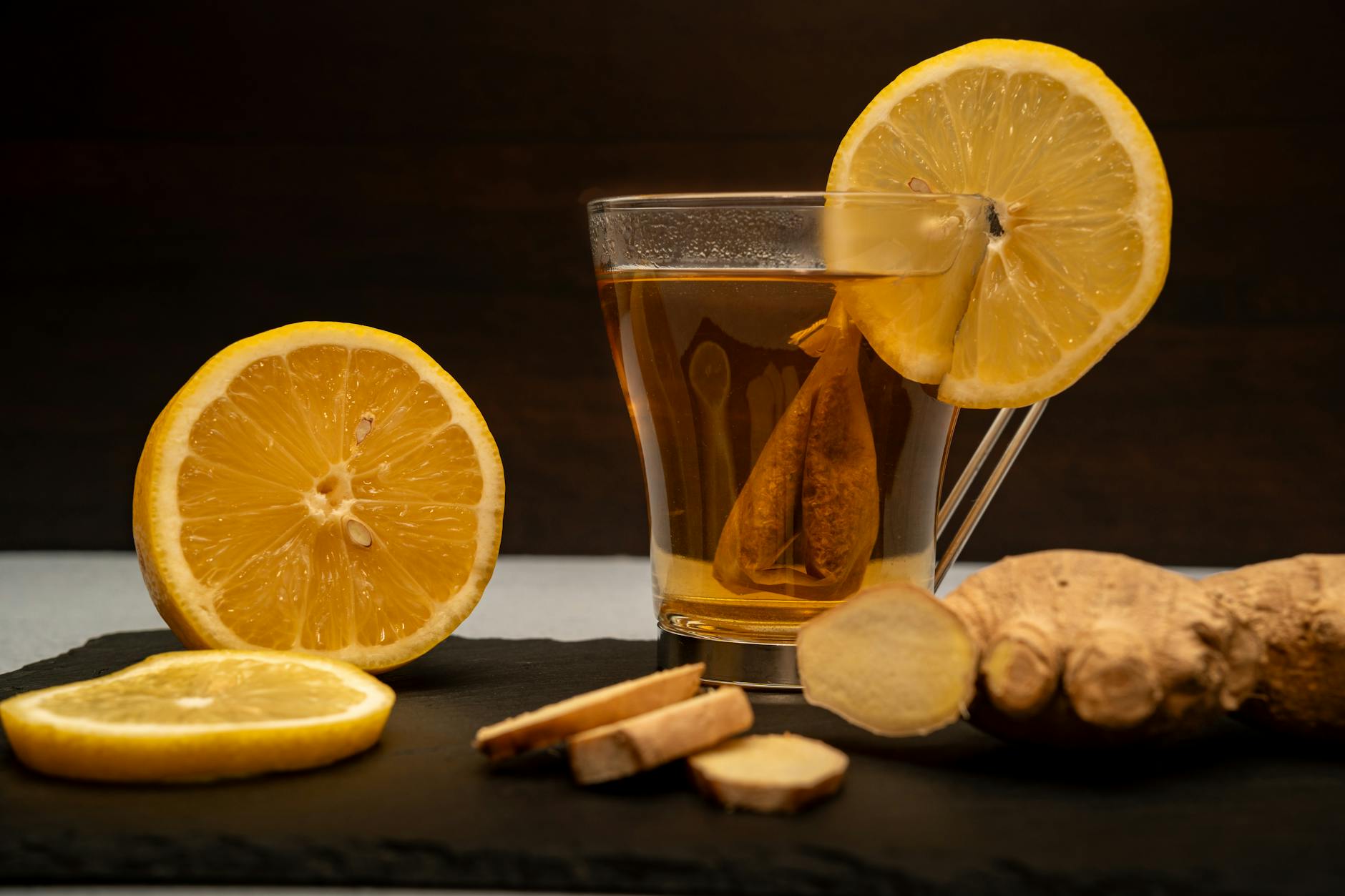
Chai Spices: Background Research Context (Not Medical Advice)
> Reminder: the sections below summarize publicly published research for background context. They are not medical guidance. Meria Chai is a beverage, not a treatment. Discuss any specific use of ginger or other spices during pregnancy with your healthcare provider.
Chai is a blend of spices. Each spice has its own body of nutrition and culinary research. The summary below is informational only.
Ginger
Ginger has been studied in research contexts that include pregnancy nausea. ACOG has, in published guidance, discussed ginger as a non-pharmaceutical option that some patients consider for pregnancy-related nausea — but ACOG also notes that any such option should be discussed individually with a provider.
Important context: studies typically use ginger supplement doses (often 250–1,000 mg/day of standardized ginger powder). The amount of ginger in a cup of chai is a culinary amount — significantly less than supplement doses used in studies. Meria Chai is not a treatment for nausea or any other condition. If you are experiencing pregnancy nausea, please talk to your OB-GYN about appropriate options for your situation.
Cinnamon
Cinnamon has been eaten in food and drinks for centuries. The amount in a cup of chai is a culinary amount, far below the supplement doses used in research. For pregnancy, the more practical question about cinnamon is heavy-metal testing, covered above.
Cardamom
Cardamom has a long history of traditional use as a digestive spice. It has been consumed in chai across South Asia for generations, including by pregnant women, as a normal part of the diet. At the amounts present in a cup of chai, cardamom is considered a standard culinary ingredient.
Cloves
Cloves contain eugenol, a compound that has been studied for its antioxidant properties. In culinary quantities — the trace amounts present in a chai blend — cloves are not typically flagged as a concern during pregnancy. However, concentrated clove oil or supplements are a different matter and should be discussed with a healthcare provider.
Black Pepper
Black pepper contains piperine, which has been researched for its potential role in enhancing the bioavailability of certain plant compounds. In the small amounts present in chai, black pepper is a standard culinary ingredient with no specific pregnancy restrictions at food-use levels.
Nutmeg
Nutmeg is a standard culinary spice, and the amount in a cup of chai is very small. Large doses of nutmeg (multiple tablespoons) can have adverse effects, but these doses bear no resemblance to what you would encounter in a spiced tea.
Black Tea
Black tea provides the caffeine and L-theanine in chai. L-theanine, an amino acid unique to tea, has been associated with promoting calm alertness. The caffeine in black tea is well within the ACOG guidelines when consumed in normal chai quantities.
Best Milks for Chai During Pregnancy
Milk choice matters during pregnancy because calcium needs increase. The recommended daily intake of calcium during pregnancy is 1,000mg (for adults 19-50), and a chai latte made with the right milk can meaningfully contribute to that target.
| Milk (8 oz) | Calcium | Protein | Calories | Notes for Pregnancy |
|---|---|---|---|---|
| Whole milk | 300mg (30% DV) | 8g | 150 | Highest natural calcium, good protein |
| 2% milk | 295mg (29% DV) | 8g | 120 | Nearly the same calcium as whole, fewer calories |
| Oat milk (fortified) | 350mg (35% DV) | 3g | 120 | Often highest calcium due to fortification |
| Almond milk (fortified) | 450mg (45% DV) | 1g | 30-40 | Highest calcium per calorie, low protein |
| Soy milk (fortified) | 300mg (30% DV) | 7g | 80 | Best plant-based protein, calcium comparable to dairy |
| Coconut milk (carton) | 100-450mg | <1g | 45 | Varies widely by brand, check the label |
Recommendations
For calcium: Fortified almond milk or oat milk often contain more calcium per serving than dairy, thanks to fortification. Check the label — you are looking for 30% or more of the daily value per serving.
For protein: Dairy milk and soy milk provide the most protein per serving. During pregnancy, protein needs increase to approximately 71g per day (up from 46g), so every source counts.
For overall balance: Dairy milk or fortified soy milk offer the best combination of calcium, protein, and vitamin D. But any fortified plant milk will contribute meaningfully to your calcium intake.
Not every plant milk is fortified, including some of the cleanest barista milks, so if calcium matters to you, check the label.
How to Reduce Caffeine Further
If you are particularly caffeine-sensitive during pregnancy, or if your healthcare provider has recommended staying below 200mg with extra margin, there are several ways to enjoy chai with less caffeine.
Use a Half Dose
Most chai powders, including Meria Chai, still taste like chai at half strength. Our full serving is 1.5 g (about a level half teaspoon); half of that, about a level quarter teaspoon, roughly halves the caffeine and still carries the spices.
A Caffeine-Free Chai Is Coming
We are developing HeartBeet Chai, which replaces the black tea with beetroot for the same warming spices and no caffeine. It is not available yet. Until it is, a half serving is the lowest-caffeine way to drink our chai.
Time Your Cups
If you want one full-strength cup of chai per day, consider having it in the morning and switching to half-strength or caffeine-free options later in the day. Caffeine's half-life extends during pregnancy, so an afternoon cup may still be affecting your sleep at bedtime.
By Trimester: Questions for Your Provider
Caffeine metabolism changes during pregnancy — research suggests the half-life of caffeine roughly doubles during the second and third trimesters — but the right number of cups for you depends on your individual situation, your other caffeine sources, and your provider's guidance.
What to talk to your healthcare provider about: how chai (40-50mg caffeine/cup) fits into your overall daily caffeine intake; whether ingredient sensitivity to specific spices is a concern in your case; whether to taper caffeine in the third trimester. Bring the ACOG 200mg/day guideline to the conversation, but let your provider make the call.
Chai vs Coffee vs Other Drinks During Pregnancy
Here is a practical comparison for pregnant people choosing their daily beverages:
| Beverage | Caffeine | Added Sugar (typical) |
|---|---|---|
| Chai latte (unsweetened powder) | 40-50mg | 0g |
| Drip coffee | 95-165mg | 0g |
| Typical cafe chai latte | 50-70mg | 42g |
| Green tea | 25-40mg | 0g |
| Matcha | 60-70mg | 0g |
| Decaf coffee | 2-15mg | 0g |
| Cola | 34mg | 39g |
A few things stand out from this comparison:
- Chai has less caffeine per cup than coffee. A cup of chai is roughly a quarter of ACOG's 200mg guideline; a large coffee can be all of it.
- Coffee is the fastest way to hit the ceiling. One large coffee can use up your entire daily caffeine budget.
- Sugar is the hidden issue. Most cafe chai lattes contain more sugar than a can of soda. The caffeine may be fine, but the sugar load is a separate concern.
What to Look for in Chai During Pregnancy
Not all chai is created equal, and during pregnancy the differences matter more. Here is a checklist:
Look for:
- Zero added sugar (you control the sweetness)
- Real spices, not "natural flavors" (which can mean almost anything)
- Organic-sourced ingredients (fewer synthetic pesticides)
- Heavy metal testing documentation (COAs available on request)
- Short ingredient list (tea + spices, nothing else)
- Transparent sourcing from an identifiable supplier
Be cautious of:
- Chai concentrates where sugar is the first ingredient
- Products with maltodextrin, creamers, or fillers
- Brands that do not disclose sourcing or testing information
- Herbal "chai" blends containing ingredients not well-studied during pregnancy (licorice root, for example, is sometimes added to herbal chai blends and is generally recommended to be avoided in significant quantities during pregnancy)
Meria Chai is seven organic-sourced ingredients: black tea, cinnamon, ginger, cardamom, clove, nutmeg, and black pepper (the finished blend is not certified organic). No sugar, no fillers, and five of the six spices come from a supplier that publishes per-lot heavy-metal tests. It is the same blend served daily at Cafe Meria in Charlevoix, Michigan — made to be simple enough that you can read every ingredient and know exactly what you are drinking.
The Bottom Line
At about 40-50mg of caffeine per cup, chai has much less caffeine than coffee, and ACOG's published guideline is 200mg a day. Whether and how much chai fits your pregnancy is a decision for you and your healthcare provider.
If you do drink chai, the questions worth asking of any product are the ones above: how much added sugar it has, whether its spices are tested for heavy metals and the results are published, and whether the ingredient list is short enough to read in one glance.
Bring the numbers on this page to your provider. They know your pregnancy, your health history, and your needs better than any guide can.
See Our Ingredients → | Read Our Sourcing Standards →
Frequently Asked Questions
Is chai safe to drink during pregnancy?
That is a question for your healthcare provider, and we don't answer it for you. A standard cup of chai contains approximately 40-50mg of caffeine, which is well within the ACOG recommendation of no more than 200mg of caffeine per day. The spices in chai are used in culinary amounts. Always confirm with your healthcare provider based on your individual health profile.
How many cups of chai can I drink per day while pregnant?
We don't give per-cup guidance here. ACOG's published guideline is a 200mg/day caffeine limit; chai contains roughly 40-50mg/cup. Translate that into a number of cups with your healthcare provider, who knows your specific situation, your other caffeine sources, and your individual factors. Different providers recommend different limits.
Does chai help with morning sickness?
Meria Chai is a beverage, not a treatment for morning sickness or any other condition. Ginger has been studied in research contexts that include pregnancy nausea, and ACOG has discussed ginger among non-pharmaceutical options some patients consider — but the amounts in a cup of chai are culinary amounts, not supplement doses, and any specific use should be discussed with your OB-GYN.
Should I worry about lead in chai spices while pregnant?
Lead in spices is a legitimate concern, and it is more significant during pregnancy because lead crosses the placental barrier. The risk depends entirely on the sourcing and testing practices of the brand you choose. Look for chai products that provide batch-level Certificate of Analysis (COA) documentation for heavy metals. Organic certification alone does not address heavy metal content. Meria Chai sources most of its spices from Red Ape Cinnamon, who publishes per-lot heavy-metal test results publicly; black tea and black pepper are sourced separately. Read more in our article on lead in chai spices and on our Sourcing page.
Is caffeine-free chai available for pregnancy?
Not from us yet. We are developing HeartBeet Chai, which replaces the black tea with beetroot for no caffeine, but it is not on sale yet (the waitlist is on the product page). Until then, a half serving of Meria Chai has roughly half the caffeine of a full cup.
What is the best milk for chai during pregnancy?
For calcium, fortified plant milks (oat, almond, soy) often provide as much or more calcium per serving as dairy milk. For protein, dairy milk and soy milk are the strongest options. During pregnancy, calcium needs are 1,000mg per day and protein needs increase to approximately 71g per day. A chai latte made with fortified oat milk provides roughly 350mg of calcium (35% of the daily value) per serving. The best choice depends on your dietary preferences and nutritional priorities — any fortified milk will contribute meaningfully.
Can I drink chai in the third trimester?
Ask your provider. ACOG's 200mg caffeine guideline is not trimester-specific, but caffeine stays in the body longer later in pregnancy, so some people find they are more sensitive to it then. A half serving roughly halves the caffeine in a cup.
Is chai better than coffee during pregnancy?
By caffeine alone, chai has roughly a third to a half of the caffeine of a cup of coffee, so it uses less of a 200mg daily guideline. Coffee is not off-limits during pregnancy when it stays within your provider's guidance; the choice is yours and theirs.
These statements have not been evaluated by the Food and Drug Administration. This product is not intended to diagnose, treat, cure, or prevent any disease. Always consult your healthcare provider regarding dietary choices during pregnancy.
