
Matcha vs Chai: A Complete Side-by-Side Comparison
Matcha and chai are two of the most popular alternatives to coffee. Both deliver caffeine with L-theanine for smooth, sustained energy. Both have devoted followings. And both can be either genuinely healthy or loaded with sugar, depending entirely on how they are made.
But they are fundamentally different drinks with different flavor profiles, different preparation methods, different health compounds, and very different costs per cup.
This guide compares matcha and chai across every dimension that actually matters: caffeine, nutrition, taste, cost, convenience, and health benefits. By the end, you will know exactly which one fits your life better, or whether you want both.
Zero sugar · Six organic spices · Café-tested · 58¢ per 8 oz cup · Free shipping on every order · Supplier batch-tested for heavy metals · Small batch
The Quick Comparison
| Factor | Matcha | Chai |
|---|---|---|
| Caffeine | 60-80mg per serving | 40-50mg per serving |
| L-theanine | High (more concentrated) | Moderate (from black tea) |
| Energy feel | Alert, calm focus | Warm, sustained, gentle |
| Calories (plain) | 5-10 cal | 0-5 cal |
| Calories (latte, homemade) | 70-130 cal | 35-155 cal (8 oz) |
| Cost per cup (homemade) | $1.50-3.00 | $0.58 (8 oz) – $1.19 (16 oz) |
| Prep time | 2-3 min (whisk + temp control) | 30-60 seconds (weigh, add milk, emulsify) |
| Flavor profile | Grassy, vegetal, umami | Warm, spiced, aromatic |
| Key antioxidant | EGCG (epigallocatechin gallate) | Multiple (from black tea + 6 spices) |
| Sugar (homemade, unsweetened) | 0g added | 0g added |
| Sugar (typical cafe) | 30-40g | about 42g (16 oz) |
| Antioxidant sources | 1 (green tea) | 7 (black tea + 6 spices) |
| Best for | High focus, clean taste | Warmth, spice lovers, milk drinks |
If chai wins
The chai side of this comparison, unsweetened.
Meria Chai is black tea and six organic spices as a fine powder: about 40–50 mg of caffeine a serving, no sugar, no sweetener, and about 58¢ an 8 oz cup. Weigh it into your milk and froth it hot.
Get my chai · From $19Free shipping • Cancel anytime
Caffeine: Matcha vs Chai
Both matcha and chai contain caffeine paired with L-theanine, the amino acid many people credit for tea's steadier, "alert but calm" feel. Coffee has caffeine without it.
The Numbers
| Beverage | Caffeine | L-Theanine |
|---|---|---|
| Matcha (1 tsp, ceremonial) | 60-80mg | ~25-30mg |
| Chai (1 cup, black tea base) | 40-50mg | ~15-20mg |
| Drip coffee (8 oz) | 95-165mg | 0mg |
| Green tea (steeped, 8 oz) | 25-40mg | ~8-10mg |
| Espresso (1 shot) | 63mg | 0mg |
Matcha has roughly 1.5 to 2 times the caffeine of chai, and a higher concentration of L-theanine. This makes sense: with matcha, you consume the entire ground tea leaf. With chai, you steep or dissolve tea — extracting some, but not all, of the caffeine and L-theanine from the leaf.
How They Feel
Matcha's energy profile: Faster onset than chai, noticeably alert within 15-20 minutes, sustained for 3-5 hours. The high L-theanine content means most people experience clear focus without jitters. Some describe it as "quiet intensity."
Chai's energy profile: Gradual onset, mild but sustained alertness over 2-4 hours. The combination of moderate caffeine, L-theanine, and warming spices creates a feeling many describe as grounding. If matcha is focused clarity, chai is comfortable wakefulness.
For a complete breakdown of chai's caffeine compared to other beverages, see our Chai Caffeine Content guide.
Flavor: Grassy vs Spiced
This is where matcha and chai diverge most dramatically. You could not confuse one for the other.
Matcha Flavor Profile
Matcha tastes vegetal, grassy, and slightly sweet with an umami undertone. High-quality ceremonial grade matcha is smooth and complex with minimal bitterness. Lower-quality culinary matcha can taste harsh, astringent, and aggressively bitter.
The flavor is polarizing. People tend to either love matcha's clean, plant-forward taste or find it uncomfortably "green." There is not much middle ground.
Key notes: Grass, seaweed, sweet vegetal, umami, slight bitterness (quality-dependent)
Chai Flavor Profile
Chai is warm, aromatic, and layered. Traditional masala chai blends black tea with cinnamon, cardamom, ginger, cloves, and black pepper. Each spice contributes a different dimension: cinnamon brings warmth, cardamom adds citrusy complexity, ginger provides a gentle bite, cloves deliver depth, and black pepper adds a barely perceptible heat.
Unlike matcha, chai rarely polarizes. Most people find it inviting and familiar, even on first taste. The spice blend is comforting without being overwhelming.
Key notes: Warm cinnamon, floral cardamom, ginger heat, clove depth, aromatic complexity
With Milk
Both drinks are commonly made as lattes, but they respond to milk differently.
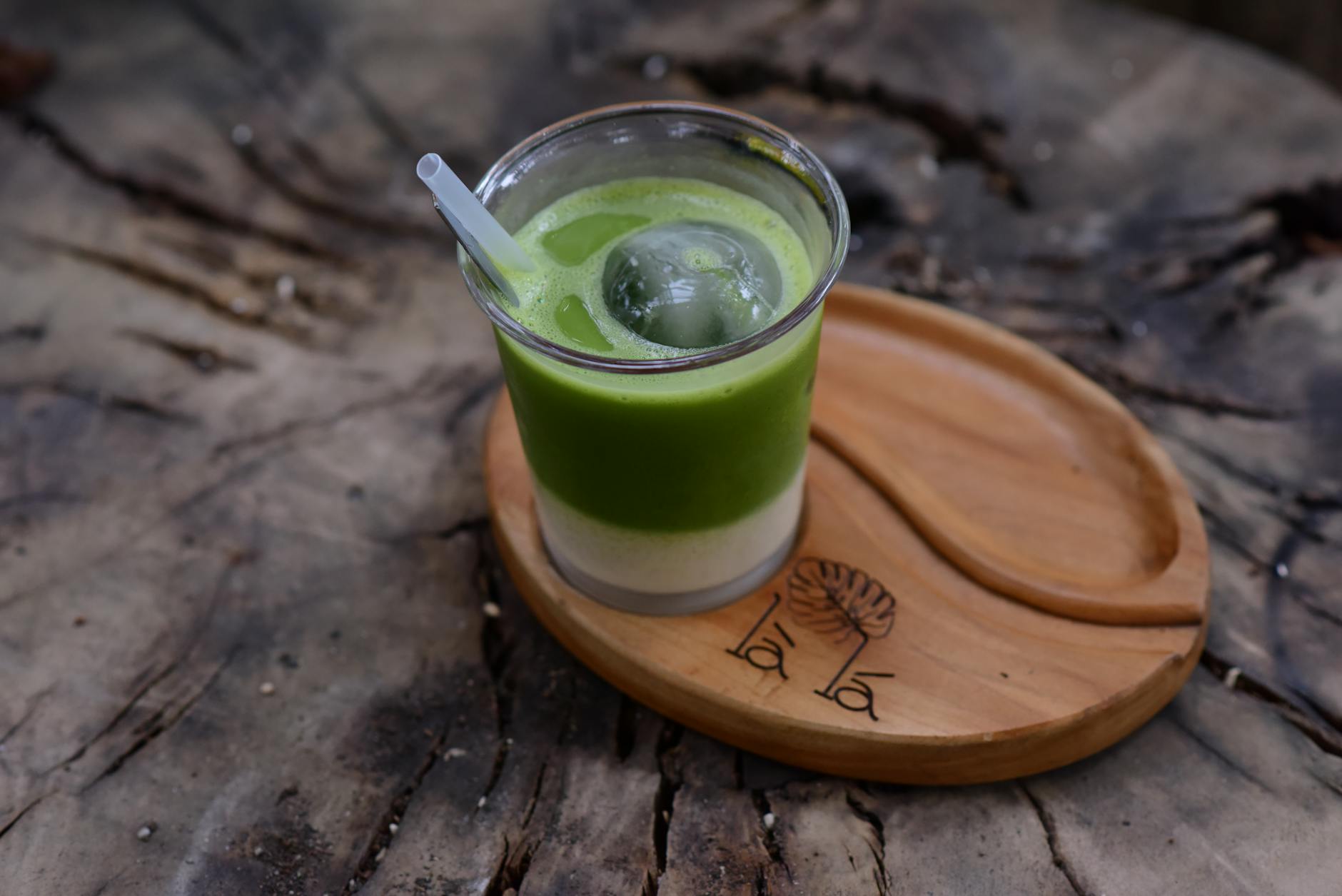
Matcha lattes take on a creamy-green appearance and the milk softens matcha's grassiness. The drink becomes milder and smoother but loses some of its characteristic complexity.
Chai lattes become richer and more full-bodied with milk. The fat in milk binds to the essential oils in the spices, actually enhancing the flavor rather than muting it. This is why chai has been traditionally prepared with whole milk in South Asian cultures for centuries.
Health Benefits: EGCG vs Spice Synergy
Both matcha and chai deliver health compounds beyond basic caffeine. But they deliver them through fundamentally different mechanisms.
Matcha's Health Profile
Matcha's primary claim is its high concentration of EGCG (epigallocatechin gallate), a catechin antioxidant. Because you consume the whole ground leaf rather than steeping and discarding it, matcha delivers significantly more EGCG than standard steeped green tea — roughly 3 times more per serving.
| Compound | What It Does |
|---|---|
| EGCG | Most studied catechin; antioxidant properties |
| L-theanine | Promotes alpha brain waves; associated with calm focus |
| Chlorophyll | Gives matcha its green color; antioxidant properties |
| Catechins (total) | Antioxidant compounds from green tea |
Research on EGCG is extensive. Studies have linked green tea catechins to antioxidant activity, metabolic support, and cell-protective properties. However, most clinical studies use concentrated extracts at doses higher than what one cup of matcha provides.
Chai's Health Profile
Where matcha relies on high concentrations of one class of compounds (catechins), chai delivers a broader range of compounds from multiple sources. Each spice in traditional masala chai has its own body of research.
| Spice | Key Compound | What It Brings to the Cup |
|---|---|---|
| Black tea | Polyphenols, L-theanine | Body, briskness and the caffeine |
| Ginger | Gingerols, shogaols | Heat and a bright edge |
| Cinnamon | Cinnamaldehyde | Sweet warmth, the backbone of the blend |
| Cardamom | Terpenes, flavonoids | Floral, citrusy aroma |
| Cloves | Eugenol | Deep, slightly bitter warmth |
| Black pepper | Piperine | Slow, savory heat at the back of the sip |
Each of these spices has been studied on its own, mostly as supplements or extracts at doses far above what is in a cup. A serving of chai holds culinary amounts, so we describe what each spice tastes like rather than what it might do.
For a full breakdown of what each chai spice does, see our Chai Health Benefits guide.
Which Is "Healthier"?
Neither is categorically healthier. They deliver different benefits through different pathways.
Choose matcha if you want maximum EGCG and the highest L-theanine concentration per serving.
Choose chai if you want the warm flavor of several real spices, less caffeine than matcha, and a drink built for milk.
The honest answer is that both are excellent choices when prepared without added sugar. The "unhealthy" versions of both drinks are not the ingredients themselves but the 30-40g of sugar that cafes add.
The Sugar Reality: Both Can Be Sugar Bombs
This is the most important section in this comparison for anyone choosing between matcha and chai for health reasons.
Cafe Matcha Lattes
There is a widespread perception that matcha lattes are inherently healthier than chai lattes. This is not accurate. Walk into most coffee shops and order a matcha latte, and here is what you actually get:
| Component | What You Expect | What You Often Get |
|---|---|---|
| Matcha | Ceremonial grade, whisked | Culinary grade sweetened powder mix |
| Sugar | None | 20-40g per serving |
| Calories | ~70-80 | ~250-350 |
Many cafe matcha lattes use pre-sweetened matcha powder blends where sugar is the first ingredient. The vibrant green color makes the drink feel healthy, but the nutrition label tells a different story.
A 16oz sweetened matcha latte from a typical coffee shop has 30-40g of sugar and 250-350 calories — comparable to or worse than a cafe chai latte.
Cafe Chai Lattes
Cafe chai lattes use pre-sweetened liquid concentrate where sugar is usually the first or second ingredient. A standard 16oz cafe chai latte has about 42g of sugar and 240-340 calories.
For a detailed calorie breakdown by preparation, see our Chai Latte Calories guide.
Homemade: Both Win
| Homemade Version | Calories | Added Sugar |
|---|---|---|
| Matcha + oat milk (unsweetened, 8 oz) | 95-130 | 0g |
| Chai + oat milk (unsweetened, 8 oz) | 95-125 | 0g |
| Matcha + almond milk (unsweetened, 8 oz) | 40-60 | 0g |
| Chai + almond milk (unsweetened, 8 oz) | 35-65 | 0g |
When you control the preparation, both matcha and chai are low-calorie drinks with zero added sugar. The difference is negligible. The real question becomes flavor preference, not health metrics.
Cost Per Cup: A Significant Gap
This is where the comparison tilts decisively. Matcha is expensive. Quality matcha is very expensive.
Matcha Cost Breakdown
| Grade (typical) | Price per gram | Cost per Serving (1 tsp / ~2g) |
|---|---|---|
| Top ceremonial grade | $1.50-4.00/g | $3.00-8.00 per cup |
| Everyday ceremonial | $0.75-1.50/g | $1.50-3.00 per cup |
| Culinary grade | $0.30-0.75/g | $0.60-1.50 per cup |
To get matcha with the smooth flavor and high L-theanine content people associate with "good matcha," you need at least premium ceremonial grade. Culinary matcha works for baking and smoothies but tastes bitter and harsh when whisked with just water or milk.
Chai Cost Breakdown
Quality organic chai powder costs significantly less per serving because the raw ingredients — black tea, cinnamon, cardamom, ginger, cloves, black pepper — are less expensive than shade-grown, stone-ground Japanese green tea.
| Chai Type | Cost per Serving |
|---|---|
| Organic instant chai powder (like Meria Chai) | $0.58 (8 oz) – $1.19 (16 oz) |
| Chai tea bags (premium) | $0.30-0.50 |
| Loose leaf chai blend | $0.40-0.75 |
| Cafe chai latte | $5.50-7.00 |
"Organic" is doing real work in that first row, and it is worth knowing what the word does and does not cover — what USDA Organic actually means on a chai label. If you are comparing sellers rather than categories, where to buy organic chai powder online lays the options side by side.
Annual Cost Comparison (Daily Drinker)
| Habit | Daily Cost | Annual Cost |
|---|---|---|
| Homemade matcha latte (ceremonial) | $2.00-3.50 | $730-1,277 |
| Homemade chai latte | $0.58 (8 oz) – $1.19 (16 oz) | $210-434 |
| Cafe matcha latte | $5.00-7.00 | $1,825-2,555 |
| Cafe chai latte | $5.50-7.00 | $2,007-2,555 |
A daily homemade chai habit costs about $500-850 less per year than a daily homemade ceremonial matcha habit, comparing like with like. Both save dramatically over cafe visits, but the gap between the two at-home options is substantial.
Preparation: Ritual vs Simplicity
How you make your daily drink matters. If it takes too long or requires too much precision, you will eventually default to whatever is easiest.
Making Matcha
Proper matcha preparation requires attention to detail:
- Sift 1-2 tsp matcha through a fine mesh strainer (clumps are stubborn)
- Heat water to 175 degrees F / 80 degrees C (not boiling — boiling water makes matcha bitter)
- Add a small amount of water (about 2 oz)
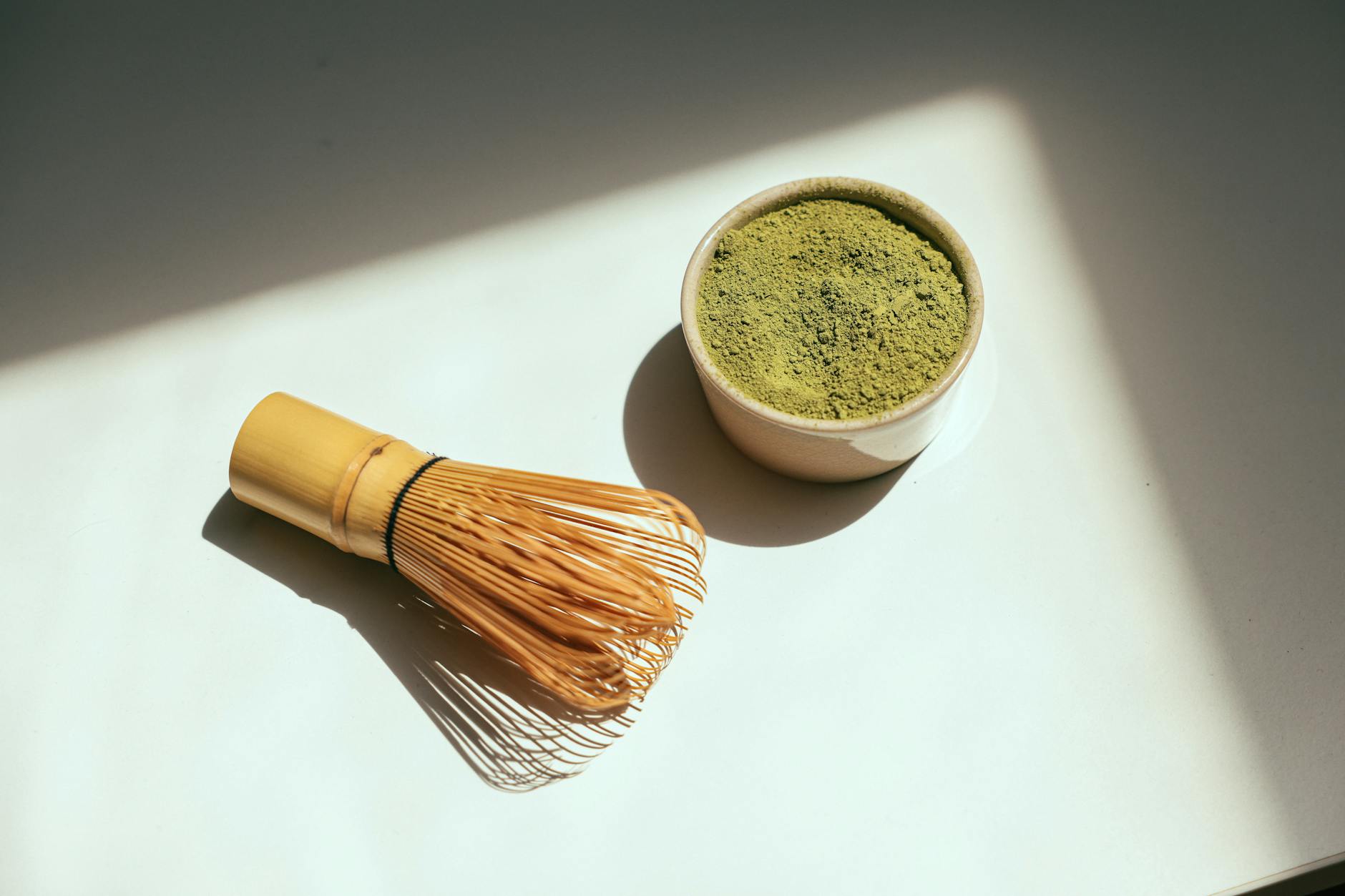
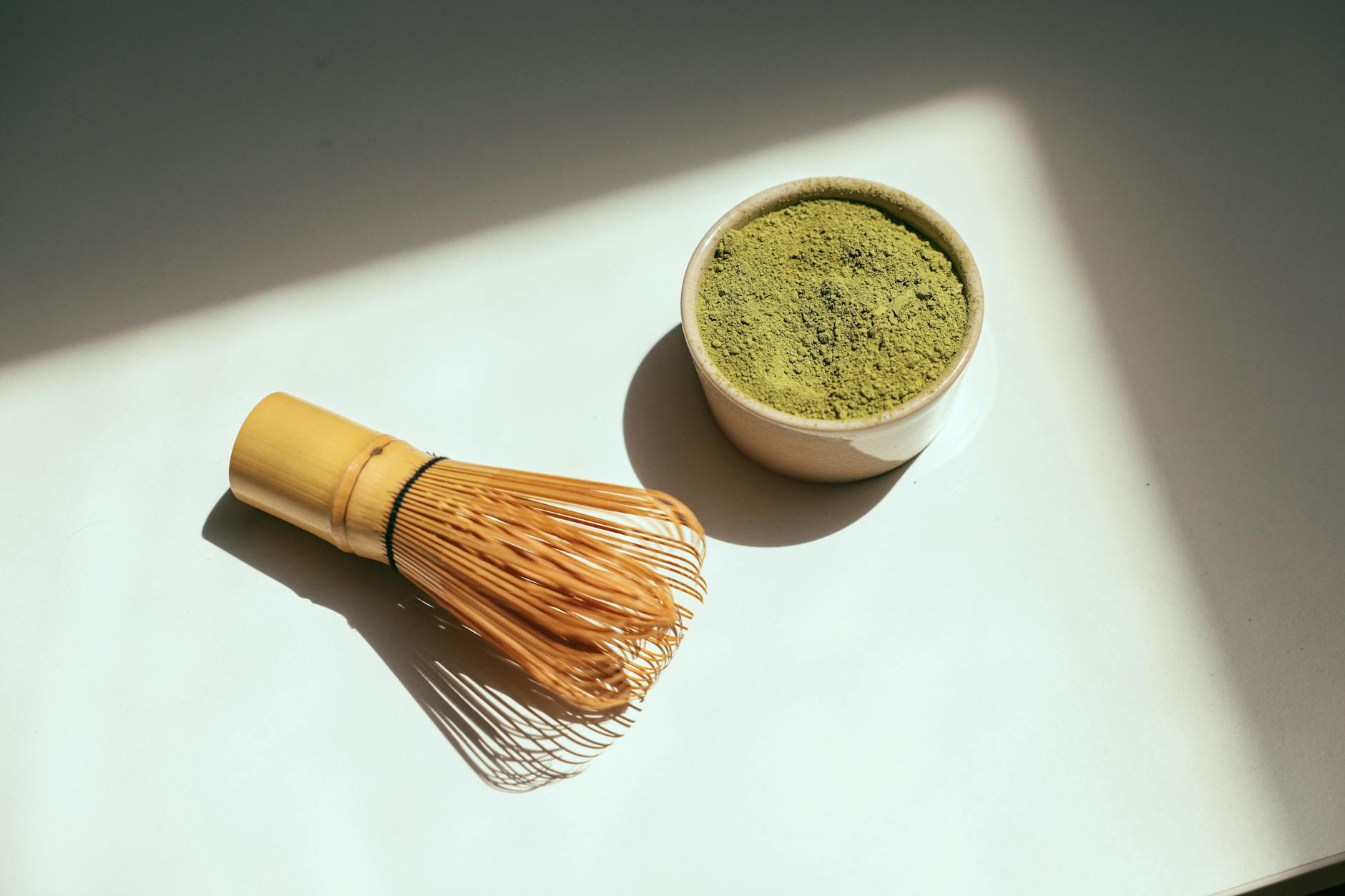
- Whisk vigorously with a bamboo chasen (matcha whisk) in a W or M motion until frothy — 15-30 seconds
- Add milk (steamed or cold for iced)
Total prep time: 2-4 minutes
Equipment needed: Matcha whisk (or milk frother), thermometer or temperature-controlled kettle, fine mesh sifter, matcha bowl or wide cup
Matcha is unforgiving. Use water that is too hot and it turns bitter. Skip sifting and you get lumps. Use a spoon instead of a whisk and it will not dissolve properly. The ritual is part of the appeal for many people, but it is a genuine barrier for busy mornings.
Making Chai
Instant chai powder goes straight into the milk:
- Add sweetener, if you want any, then 1.5 g chai powder to your pitcher
- Pour in the milk — all of it, no water
- Heat and emulsify with a frother, hand mixer, blender or steam wand
Total prep time: 30-60 seconds
Equipment needed: A pitcher and a frother (a handheld one is plenty)
Chai powder is forgiving. There is no sifting, no thermometer, no exact temperature to hit — any hot milk works. What it does need is force: the ground spices suspend rather than dissolve, so a frother does in fifteen seconds what a spoon never will.
Prep Comparison Table
| Factor | Matcha | Chai |
|---|---|---|
| Time | 2-4 min | 30-60 sec |
| Liquid temperature | 175 degrees F (critical) | Any hot temperature |
| Special equipment | Whisk, sifter, thermometer | Frother, hand mixer or blender |
| Forgiveness | Low (bitter if overheated, lumpy if not sifted) | High (no sifting, no thermometer) |
| Travel-friendly | Difficult | Very easy |
| Iced version | Whisk with cold water, pour over ice | Warm in milk, emulsify, pour over ice |
Antioxidant Comparison: Depth vs Breadth
Both matcha and chai are genuine sources of antioxidants, but they deliver them differently.
Matcha: Concentrated Catechins
Matcha's antioxidant story centers on catechins, particularly EGCG. Because you consume the entire leaf, matcha provides at least 3 times more EGCG than the highest values reported for other green teas, according to a 2003 study in the Journal of Chromatography A.
One serving of matcha contains roughly 60-100mg of EGCG. This is a meaningful amount — though still well below the concentrated doses used in most clinical research studies (often 400-800mg/day).
Matcha also contains chlorophyll (from shade-growing), which has mild antioxidant properties, and a class of compounds called tannins that contribute to its characteristic astringency.
Chai: The Spice Spectrum
Chai's compounds come from black tea and six spices:
| Source | Main compounds |
|---|---|
| Black tea | Theaflavins, thearubigins, caffeine, L-theanine |
| Cinnamon | Cinnamaldehyde, polyphenols |
| Ginger | Gingerols, shogaols |
| Cardamom | Terpenes (cineole), flavonoids |
| Clove | Eugenol |
| Nutmeg | Myristicin |
| Black pepper | Piperine |
The per-serving amounts of each spice in chai are small, and we make no health claim for them; the variety is mostly about flavor.
The Verdict
Matcha wins on concentrated EGCG per serving. If you are specifically seeking catechins, matcha is the better choice.
Chai has more variety: black tea plus six spices, against matcha's single leaf.
Digestive Comfort
Matcha and chai affect digestion differently.
Matcha is a concentrated green tea. While it is less acidic than coffee, some people experience nausea or stomach discomfort when drinking matcha on an empty stomach. The high catechin concentration can irritate sensitive stomachs. This is why traditional Japanese tea ceremony pairs matcha with a small sweet — the food buffers the intensity.
Chai is usually made with milk, which many people find gentler on an empty stomach than straight tea. Ginger and cardamom have a long tradition after meals, though research on them uses supplement doses, not the amount in a cup.
If you have a sensitive stomach, chai is generally the more comfortable choice. If matcha bothers your stomach, try it after eating rather than first thing in the morning.
When to Choose Matcha
Matcha is the better choice when:
- You want maximum caffeine from tea. At 60-80mg per serving, matcha delivers the most caffeine of any tea preparation.
- You prioritize EGCG and catechins. Matcha is the single richest food source of these compounds.
- You enjoy the preparation ritual. The whisking process is meditative and intentional, which some people find calming.
- You prefer clean, vegetal flavors. Matcha's grassy umami is distinctive and satisfying if it matches your palate.
- You are making smoothies or baked goods. Culinary grade matcha adds color, flavor, and antioxidants to recipes.
When to Choose Chai
Chai is the better choice when:
- You want warmth and comfort. Chai's spice blend is inherently cozy and warming.
- You are budget-conscious. At $0.58 for an 8 oz cup — $1.19 at 16 oz — versus $1.50-3.00+, chai costs less than half per serving.
- You drink it with milk. Chai is built as a milk drink; matcha is often whisked with water.
- You need speed and simplicity. Chai powder goes straight into the milk: no steeping, no straining.
- You are sensitive to caffeine. Chai's 40-50mg provides gentle alertness without overstimulation.
- You want zero sugar with no effort. With a quality unsweetened chai powder like Meria Chai, there is nothing to adjust — just add milk.
- You travel or commute. A packet of chai powder in your bag works anywhere. A matcha whisk does not.
The "Both" Option: Matcha Chai Exists
If you genuinely cannot decide, there is a third path: matcha chai. This is exactly what it sounds like — matcha powder combined with chai spices, creating a drink that blends grassy green tea with warm cinnamon, cardamom, and ginger.
How to Make Matcha Chai at Home
- Add 1/2 tsp matcha and 1/2 tsp chai powder to a pitcher, plus any sweetener
- Pour in 8-10 oz milk — no water at any stage
- Heat until steaming, not boiling (matcha turns bitter if you scorch it)
- Emulsify hard with a frother, hand mixer or blender until there is no grit
The flavor is unusual and interesting — the vegetal notes of matcha sit against the warmth of chai spices. The caffeine is higher than either drink alone (roughly 70-90mg combined), and you get both EGCG and the chai spice compounds in one cup.
It is not for everyone. Some people find the combination too complex. But if you enjoy both flavors independently, it is worth trying at least once.
Which Should You Choose?
There is no wrong answer. Both matcha and chai are excellent alternatives to coffee, both deliver caffeine with L-theanine, and both are genuinely healthy when prepared without added sugar.
Here is the simplest decision framework:
Choose matcha if you want higher caffeine, enjoy the preparation ritual, prefer clean vegetal flavor, and are willing to pay more per serving.
Choose chai if you want warmth and spice, need quick preparation, and prefer spending less than half the cost per cup.
Choose both if you want variety. Many people drink matcha in the morning for its stronger caffeine kick and chai in the afternoon for its gentle warmth that will not disrupt sleep.
The only version of either drink to avoid is the cafe version with 30-40g of added sugar. Whether you choose matcha or chai, making it at home with quality ingredients and no added sweetener is the single most impactful choice for your health and your wallet.
Landed on chai? Then the only decision left is how much sugar someone else already put in it. Ours has none — no sugar, no stevia, no monk fruit, no maltodextrin. Black tea and six organic spices, and you decide the rest.
See the chai we pour → — 58¢ for an 8 oz latte, against $5 for the same drink over our own café counter.
Free shipping on every order.
Frequently Asked Questions
Is matcha or chai better for weight loss?
Neither is a weight-loss drink, but both are low in calories without added sugar. Homemade matcha latte: 70-130 calories. Homemade chai latte: 35-155 calories (8 oz, depending on the milk). The real calorie savings come from replacing a 300-calorie cafe latte with a 95-125-calorie homemade oat-milk version, which saves roughly 1,200-1,400 calories per week.
Does matcha have more caffeine than chai?
Yes. Matcha has 60-80mg per serving compared to chai's 40-50mg. Both contain L-theanine for smooth, sustained energy, but matcha has a higher concentration. For detailed chai caffeine numbers, see our Chai Caffeine Content guide.
Can I drink matcha and chai on the same day?
Absolutely. A common pattern is matcha in the morning (higher caffeine for a stronger start) and chai in the afternoon (lower caffeine, less likely to disrupt sleep). Combined, you would get roughly 100-130mg of caffeine across the day — about the same as one cup of coffee.
Is matcha healthier than chai?
Neither is categorically healthier. Matcha provides more EGCG and L-theanine per serving. Chai spreads its compounds across black tea and six spices. The variable that actually matters is sugar: both are a clean cup unsweetened. For what each chai spice is, see our Chai Health Benefits guide.
Why is matcha so much more expensive than chai?
Matcha production is labor-intensive. Tea plants are shade-grown for 3-4 weeks before harvest to increase chlorophyll and L-theanine content. Only the youngest leaves are picked, then stone-ground into fine powder. This process costs far more than sourcing and blending chai spices. Ceremonial grade matcha from Japan can cost $1.50-4.00 per gram.
Which tastes better, matcha or chai?
This is entirely subjective. Matcha is grassy, clean, and vegetal with an umami undertone. Chai is warm, spiced, and aromatic with layers of cinnamon, cardamom, and ginger. If you like earthy or green flavors, you will likely prefer matcha. If you like warming spices and comfort, chai is probably your drink.
Do matcha and chai both have L-theanine?
Yes. Both come from the Camellia sinensis tea plant, which naturally produces L-theanine. Matcha has a higher concentration because the shade-growing process increases L-theanine production and you consume the whole leaf. Chai's black tea base provides a moderate amount — enough for noticeable calm focus alongside its caffeine.
Can I make a matcha chai latte?
Yes. Put 1/2 tsp matcha and 1/2 tsp chai powder in a pitcher, add 8-10 oz milk and no water, then heat until steaming and emulsify hard with a frother or blender. The result is a unique drink with both green tea and warm spice flavors. Caffeine is roughly 70-90mg combined and the flavor of both.
These statements have not been evaluated by the Food and Drug Administration. This product is not intended to diagnose, treat, cure, or prevent any disease.
