
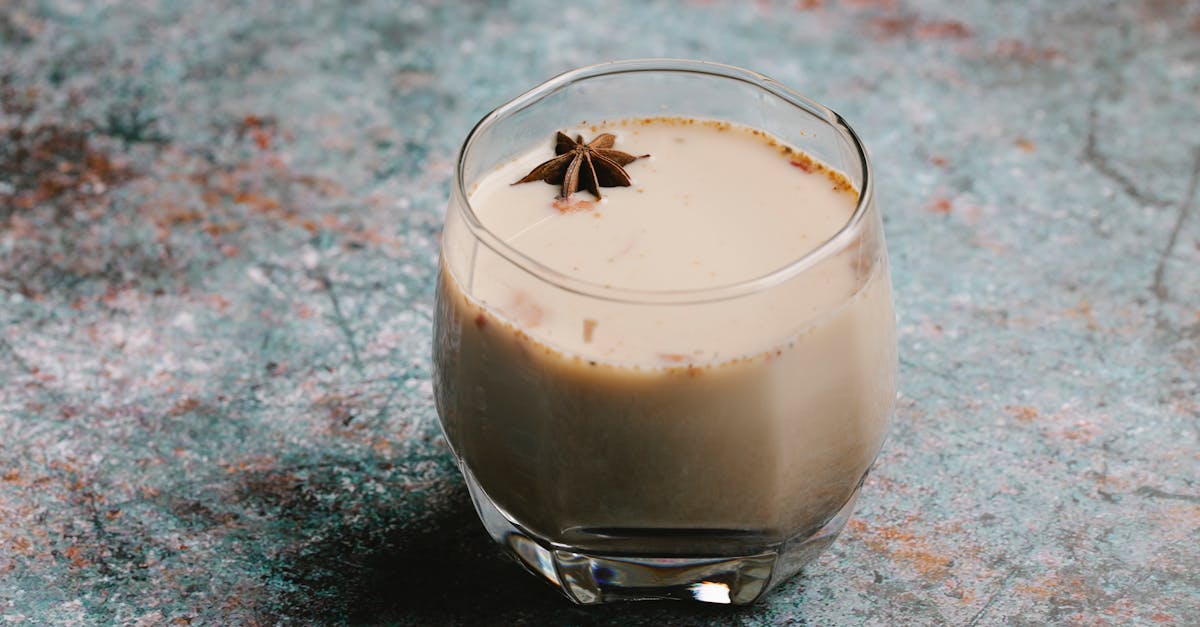
If you've been ordering chai lattes thinking they're a healthy alternative to coffee drinks, I have some uncomfortable news. That chai latte you grabbed this morning probably had more sugar than a candy bar.
I'm Jesse, and I run Cafe Meria in Charlevoix, Michigan. I've spent years developing a chai that actually delivers on the health promise that chai should have — and watching customers' faces when they realize what's really in the chai lattes they've been drinking everywhere else.
Let me show you how to make a genuinely healthy chai latte that comes in under 80 calories, tastes incredible, and takes about as long as heating the milk.
The Sugar Problem Nobody Talks About
Chai, at its core, is one of the healthiest drinks you can make. Black tea. Whole spices — cinnamon, cardamom, ginger, cloves. Every single ingredient has documented health benefits. Ancient cultures have been drinking spiced tea for centuries for good reason.
So how did we end up with chai lattes that contain 42 grams of sugar?
Here's what happened: when chai went mainstream, convenience won. Coffee shops needed something that could be pumped from a bottle and mixed quickly. Instant brands needed something shelf-stable that tasted sweet enough for mass appeal. The solution in both cases was the same — add sugar. A lot of it.
A grande chai latte from a typical coffee shop contains:
- 240 calories
- 42g of sugar (that's over 10 teaspoons)
- More sugar than a glazed donut
A typical instant chai mix contains:
- 15-25g of sugar per serving
- Sugar or maltodextrin as the first or second ingredient
- Artificial flavoring to compensate for low-quality spices
The "chai is healthy" claim has become a myth — not because chai can't be healthy, but because most commercial versions have buried the actual chai under a mountain of sweetener. You're essentially drinking spiced sugar milk.
The fix isn't complicated. You need a chai base that contains what chai is supposed to contain — tea and spices — and nothing else. Then you control what goes in your cup.
The 80-Calorie Healthy Chai Latte Recipe
This is the recipe I make for myself almost every morning. It takes less time than waiting in a drive-through line, costs under a dollar, and actually tastes like real chai — not like liquid sugar.
What You Need
- 1.5g Meria Chai powder — a scale is far more repeatable than a spoon
- 8 oz unsweetened oat milk
- Optional: a pinch of cinnamon on top
Instructions
- Weigh 1.5g of Meria Chai into an empty mug or pitcher. If you want sweetener, it goes in first, underneath the powder.
- Pour the 8 oz of oat milk straight over it. No water at any stage.
- Heat and emulsify in one move — a steam wand, a hand mixer, a blender, or a handheld frother. Not gently.
- Keep going until it is completely smooth. The tea dissolves on its own; the ground spices are plant solids that only heat plus force will hold in suspension. That is the whole technique.
- Top with a pinch of ground cinnamon if you want, and drink.
That's it. Total time: about 2 minutes.
Full Nutrition Breakdown
| Nutrient | Amount |
|---|---|
| Calories | ~75 |
| Total Sugar | 0g added, ~3g natural (from oat milk) |
| Total Fat | 3.5g |
| Protein | 1.5g |
| Caffeine | ~40-50mg |
| Fiber | 1g |
Under 80 calories. Zero added sugar. Actual spices. Real tea. This is what a healthy chai latte looks like.
From Our Café to Your Kitchen
No sugar. No stevia. No exceptions.
Meria Chai is black tea and six organic spices — the same blend we pour at the café, with no sweetener of any kind in it. You decide the sweetness, or you don’t.
Free shipping • Cancel anytime
Nutrition Comparison: How Your Chai Really Stacks Up
The numbers don't lie. Here's how the most common ways to drink a chai latte compare, side by side.
| Chai Latte Version | Calories | Sugar | Fat | Protein | Caffeine |
|---|---|---|---|---|---|
| Coffee shop chai latte (16 oz) | 240 | 42g | 4.5g | 8g | ~50mg |
| Mass-market instant mix + whole milk | 180 | 25g | 5g | 4g | ~30mg |
| Mass-market instant mix + oat milk | 160 | 22g | 4g | 2g | ~30mg |
| Meria Chai + unsweetened oat milk | 75 | 3g | 3.5g | 1.5g | ~40-50mg |
| Meria Chai + unsweetened almond milk | 40 | 0g | 2g | 1g | ~40-50mg |
| Meria Chai + water (black) | 5 | 0g | 0g | 0g | ~40-50mg |
Read that table again. A coffee shop chai latte has 48 times more sugar and over three times the calories of a Meria Chai latte made with oat milk. The same drink. The same concept. Wildly different nutritional reality.
And look at the Meria Chai + almond milk version: 40 calories and literally zero sugar. That's a genuine health drink, not a dessert pretending to be one.
5 Healthy Chai Latte Variations (All Under 100 Calories)
Once you have a clean chai base, you can build in any direction without blowing your nutrition goals. Here are five of my favorites — all tested, all delicious, all under 100 calories.
1. The Zero Sugar Classic
The simplest healthy chai there is.
- 1.5g Meria Chai + 8-10 oz hot water (the water-only version - the one drink we make without milk)
- Calories: 5
- Sugar: 0g
This is the one version we make without milk. The chai is built for milk and it is better in milk — but for a fast or a sugar detox, water is the trade you are choosing on purpose. Build it the same way: weighed powder in the pitcher, hot water over it, then a frother or hand mixer. If you're doing a sugar detox, intermittent fasting, or just want maximum simplicity, this is your drink. The ginger and cinnamon in Meria Chai give it enough body that it doesn't feel thin — it drinks like something substantial.
If you're new to black chai, start here. You might be surprised how much flavor exists without sugar.
2. The Protein Chai
For post-workout or meal replacement.
- 1.5g Meria Chai
- 8 oz unsweetened almond milk
- 1 scoop unflavored collagen peptides (or vanilla protein powder)
- Calories: ~80-95 (depending on protein source)
- Protein: 11-20g
Put the powder, the collagen, and the almond milk in a blender together and run it — no water step. Collagen peptides dissolve cleanly and add no flavor — they're my preference. Vanilla protein powder works too but changes the taste profile more.
This version turns your chai latte into something that actually sustains you through a morning. The combination of caffeine from the tea plus protein plus the warming spices is genuinely excellent pre- or post-workout.
3. The Golden Chai
Spice-forward chai variation with turmeric.
- 1.5g Meria Chai
- 8 oz unsweetened oat milk
- 1/2 tsp ground turmeric
- A pinch of black pepper (this matters — it increases turmeric absorption by up to 2,000%)
- Calories: ~80
- Sugar: ~3g natural
Meria Chai already contains ginger and cinnamon, so turmeric and black pepper slot into the base without fighting it. The flavor combination works naturally because turmeric and chai spices come from the same culinary tradition — they belong together.
If you want to learn more about the individual health benefits of chai spices, check out our guide on chai tea benefits.
4. The Iced Healthy Chai
Cold brew method for maximum smoothness.
- 1.5g Meria Chai
- Ice to fill your glass
- 6 oz unsweetened oat or almond milk
- Calories: 40-75 (depending on milk)
- Sugar: 0-3g
The key to a great iced chai latte is emulsifying it while it is still warm. Weigh the powder into a pitcher, pour the milk over it, warm it, and run a frother, hand mixer, or blender through it until it is completely smooth — then pour the whole thing over a full glass of ice. No water, and never straight into cold milk with a spoon; that is where the clumps come from.
The result is clean, refreshing, and tastes like something that should cost $6 at a specialty cafe. It costs you about 58 cents. For more detail on cold chai methods, see our iced chai guide.
5. The Dirty Healthy Chai
Chai meets espresso — still under 100 calories.
- 1.5g Meria Chai
- 1 shot espresso (or 2 oz strong brewed coffee)
- 6 oz unsweetened oat milk, steamed
- Calories: ~80
- Caffeine: ~95mg
- Sugar: ~2g natural
A dirty chai is traditionally a chai latte with a shot of espresso added. At a coffee shop, this drink easily hits 280+ calories because of the sugary chai base. With Meria Chai as your base, you get the same espresso-chai combination at under 80 calories.
The espresso adds depth and a roasted bitterness that plays beautifully against the cardamom and cinnamon. If you love both coffee and chai, this is probably going to become your daily drink.
Ingredient Swaps That Actually Matter
Here's what most "healthy chai" articles get wrong: they focus on toppings, sweetener swaps, and add-ins. The reality is simpler. Milk choice is responsible for roughly 90% of the calorie difference in any chai latte.
Your chai base and your milk — those two decisions determine everything. Toppings are noise.
Calories by Milk Type (per 8 oz, unsweetened)
| Milk | Calories | Sugar | Fat | Protein |
|---|---|---|---|---|
| Whole dairy milk | 150 | 12g | 8g | 8g |
| 2% dairy milk | 120 | 12g | 5g | 8g |
| Oat milk (unsweetened) | 70 | 3g | 3.5g | 1.5g |
| Coconut milk (unsweetened, carton) | 45 | 0g | 4g | 0g |
| Almond milk (unsweetened) | 30 | 0g | 2.5g | 1g |
| Water | 0 | 0g | 0g | 0g |
The difference between whole milk and unsweetened almond milk is 120 calories — in the milk alone. If you're trying to keep your chai latte under 80 calories, unsweetened oat milk or almond milk are your best options. Oat milk gives you a creamier mouthfeel and slightly more body. Almond milk gives you the lowest calorie count.
One important note: make sure you're buying unsweetened versions. Sweetened oat milk can have 16g of added sugar per cup, which defeats the entire purpose.
And if you're okay with dairy, 2% milk makes a good chai latte too — it just puts you around 125 calories instead of 75. Still dramatically better than a coffee shop version.
Why the Chai Base Matters Most
This is the part most people miss entirely.
You can swap to almond milk. You can skip the sweetener. You can do everything right with your additions — and still end up with an unhealthy chai latte if your base is loaded with sugar.
Pick up any mass-market instant chai mix and read the ingredients. Most of them list sugar — or some variation like cane sugar, maltodextrin, or honey powder — as the first or second ingredient. That means sugar is the primary component by weight. Before the tea. Before the spices. Sugar.
No amount of milk swapping fixes a sugary base. If your chai powder contains 15g of sugar per serving, switching from whole milk to almond milk saves you maybe 120 calories — but you're still drinking 15 grams of sugar. That's almost 4 teaspoons in a single drink.
The hierarchy of what matters:
- Your chai base — this is the foundation. If it has sugar, everything built on top of it is compromised.
- Your milk choice — this determines 90% of the remaining calories.
- Everything else — sweetener, toppings, add-ins. These matter least.
Start with a base that contains only tea and spices. Then choose your milk. Then add whatever you want. In that order.
For a deep dive into finding and evaluating sugar-free chai options, read our sugar-free chai guide. We break down exactly what to look for on ingredient labels and what to avoid.
Why Meria Chai Is the Healthiest Base You Can Start With
I didn't set out to make the "healthiest chai." I set out to make chai the way it's supposed to be made — with real ingredients and nothing else. The health benefits are a natural consequence of not adding junk.
Meria Chai contains 7 ingredients:
- Organic black tea
- Organic cinnamon
- Organic ginger
- Organic cardamom
- Organic cloves
- Organic black pepper
- Organic nutmeg
That's it. No sugar. No sweetener of any kind. No maltodextrin. No "natural flavors." No fillers. Just tea and six organic spices, ground and blended in Charlevoix, Michigan.
Per serving (1.5 g):
- 5 calories
- 0g sugar
- 0g fat
- ~50mg caffeine
When your base is 5 calories and zero sugar, you have complete control over the final drink. Want a 5-calorie black chai? Done. Want a 75-calorie creamy latte? Add oat milk. Want a 40-calorie light latte? Almond milk. Want a 95-calorie protein drink? Add collagen. Every option is available because the base isn't forcing 25 grams of sugar into your cup before you've made a single choice.
The $19 pouch makes approximately 33 servings. That's about $0.58 per cup — per chai latte, if you're adding your own milk at home. Compare that to $5-6 for a coffee shop chai latte that has five times the calories and ten times the sugar.
Try Meria Chai — zero sugar, 5 calories, 7 organic ingredients.
How to Make the Switch Without Missing the Sweetness
If you're coming from sweetened chai lattes — whether from a coffee shop or an instant mix — going to zero sugar can feel like a big jump. Here's how to make it painless.
Week 1-2: Cut the sugar in half. Add half a teaspoon of honey or maple syrup to your Meria Chai latte. This adds about 10 calories and 3g of sugar — still a massive improvement over 42g.
Week 3-4: Cut to a quarter teaspoon. You're now at about 5 calories and 1.5g of added sugar. Your taste buds are recalibrating.
Week 5 onward: Drop it entirely. By now, the natural sweetness of the cinnamon and the warmth of the ginger are carrying the flavor. Most people find that going back to sweetened chai actually tastes too sweet at this point.
The cinnamon in Meria Chai is key here. Cinnamon has a naturally sweet flavor profile without containing sugar. As your palate adjusts, that sweetness becomes more prominent. Give it three weeks and you won't want sugar in your chai again.
For more on how cinnamon and other chai spices contribute to both flavor and health, see our overview of what goes into real chai.
FAQs
Is a chai latte healthy?
It depends entirely on the recipe. A traditional chai made with tea and whole spices, no added sugar, and unsweetened plant milk is a low-calorie, low-sugar beverage. Most commercial chai lattes contain 25-42g of added sugar per serving — that's the bigger nutrition story. Meria Chai is a beverage, not a treatment for any condition; check with your healthcare provider for personalized dietary advice.
How many calories are in a healthy chai latte?
A healthy chai latte ranges from 5 to 80 calories depending on your milk choice. Meria Chai with water is 5 calories. With unsweetened almond milk, about 35-40. With unsweetened oat milk, about 75. Compare that to a standard coffee shop chai latte at 240 calories.
Is chai latte healthier than coffee?
Chai and coffee are different beverages. Chai typically has less caffeine (30-50mg vs 95-200mg for coffee). Both include compounds that have been studied in nutrition research. The bigger nutrition difference is what's added — a 42g-sugar coffee-shop chai latte is nutritionally very different from black coffee or from an unsweetened chai latte made at home.
Can I drink a chai latte while intermittent fasting?
Meria Chai made with just hot water is 5 calories, which most fasting protocols consider acceptable (the common threshold is under 50 calories). Adding milk of any kind will break a strict fast. If you're following a relaxed fasting protocol, a chai with a splash of almond milk (~15-20 calories) may still fall within your window.
What is the healthiest milk for a chai latte?
For the lowest calories: unsweetened almond milk (30 calories per cup, 0g sugar). For the best texture and mouthfeel: unsweetened oat milk (70 calories per cup, 3g natural sugar). For the highest protein: unsweetened soy milk (80 calories, 7g protein). Always choose unsweetened — sweetened plant milks can add 10-16g of sugar per serving.
Does chai latte have caffeine?
Yes. A chai latte made with Meria Chai contains about 40-50mg of caffeine per serving, which comes from the organic black tea. For comparison, a cup of coffee contains 95-200mg. If you make a dirty chai (adding espresso), the caffeine goes up to about 95mg. Chai delivers a gentler, more sustained energy compared to coffee's sharper spike, partly because L-theanine in tea modulates how your body processes the caffeine.
Is Meria Chai keto-friendly?
Yes. Meria Chai has 5 calories and 0g sugar per serving with essentially zero net carbs. Paired with unsweetened almond milk or coconut milk, it's fully compatible with a ketogenic diet. Even with unsweetened oat milk, the total carb count stays low enough for most keto protocols. For a detailed look at chai and keto compatibility, read our guide on chai and intermittent fasting.
