
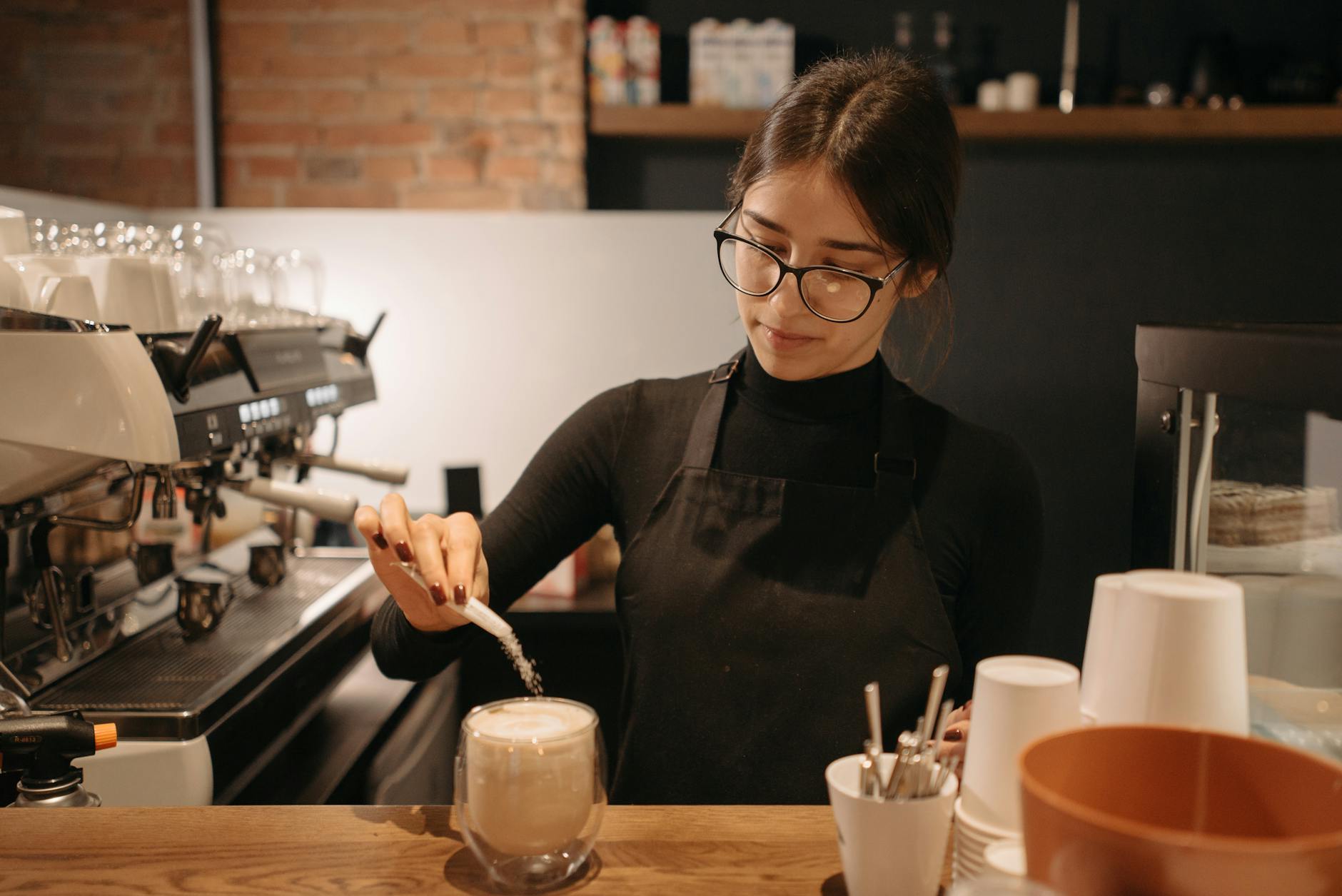
The $6 Dirty Chai Problem
A dirty chai latte at most major chains and specialty cafes costs $5.50-7.00, contains 240-340 calories, and has about 42g of sugar — more than most candy bars. You can make a better-tasting version at home in 2 minutes for about $1.25, with about 95-125 calories (oat milk) and zero added sugar. Here's the full breakdown of what you're actually paying for, how every type of chain stacks up, what equipment you actually need, and how much you'll save over a year.
> "The average cafe dirty chai uses sweetened chai concentrate as the base — the first ingredient is literally sugar. Ours uses unsweetened organic chai powder because that's what real chai is." — Jesse, Founder of Cafe Meria
Zero sugar · Six organic spices · Café-tested · 58¢ per 8 oz cup · Free shipping on every order · Supplier batch-tested for heavy metals · Small batch
What's Actually in a Cafe Dirty Chai
Most cafe chains build their dirty chai from three components:
1. Sweetened Chai Concentrate
The base of nearly every cafe dirty chai is a pre-made liquid concentrate where the first ingredient is sugar or honey. A typical chai concentrate contains 30-35g of sugar per serving before you add anything else. These concentrates are designed for consistency and shelf life, not flavor depth. The spice profile is created primarily through extracts, not whole spices, which is why cafe chai has that uniform, one-note sweetness regardless of which chain you visit.
2. Steamed Milk
Usually 2% milk, adding another 120-150 calories and 12g of naturally occurring sugar. Most chains default to 2% because it froths well and keeps costs low. The milk-to-chai ratio is typically heavy on the milk side, further diluting whatever spice flavor the concentrate has.
3. Espresso Shot
The one clean ingredient — just coffee. Adds ~5 calories and 63mg of caffeine. A single shot is standard, though some chains charge an extra $0.75-1.50 for additional shots.
The result: A drink that's mostly sugar-water with a hint of spice and coffee. The "chai" you're tasting is primarily sweetener, with just enough cinnamon and ginger flavoring to register.
Barista-quality masala chai
No sugar. No stevia. No exceptions.
Meria Chai is black tea and six organic spices — the same blend we pour at the café, with no sweetener of any kind in it. You decide the sweetness, or you don’t.
Get my chai · From $19Free shipping • Cancel anytime
Nutrition: Cafe vs Homemade
| Factor | Cafe Dirty Chai (16oz) | Homemade with Meria Chai |
|---|---|---|
| Calories | 240-340 | 95-125 (with oat milk) |
| Sugar | about 42g | 0g added |
| Caffeine | 150-160mg | about 105-115mg |
| Cost | $5.50-7.00 | ~$1.25 |
| Time | 5-15 min (drive + wait) | 2 minutes |
| Ingredients you control | None | All of them |
The sugar comparison in context:
- Cafe dirty chai: about 42g sugar = about 10.5 teaspoons
- Typical candy bar: ~25-30g sugar
- Typical soda (12oz): ~39g sugar
- Homemade unsweetened dirty chai: 0g added sugar
When you order a dirty chai at a cafe, you're essentially ordering a dessert drink with espresso. The chai flavor comes from concentrated syrup, not from real spices in meaningful amounts.
What About Other Cafe Chains?
Not all cafe dirty chais are created equal — but they're all built on the same sweetened-concentrate model. Here's how different types of chains compare:
| Major Drive-Through Chain | Large Specialty Chain | Regional Coffee Chain | Independent Cafe | Homemade (Meria Chai) | |
|---|---|---|---|---|---|
| Price (16oz) | $5.25-5.75 | $5.75-6.50 | $5.50-7.00 | $5.00-7.50 | ~$2.00 |
| Calories | 240-280 | 270-340 | 220-300 | Varies widely | 190-250 (oat milk) |
| Sugar | 34-38g | 38-42g | 30-40g | 25-42g | 0g added |
| Chai Base | Liquid concentrate | Liquid concentrate | Liquid concentrate | Concentrate or house-made | Organic powder (six real spices) |
| Customizable? | Limited (pumps) | Moderate | Moderate | Sometimes | Completely |
| Spice Quality | Extracts/flavors | Extracts/flavors | Extracts/flavors | Varies | Whole-source organic spices |
What the chart reveals
Drive-through chains prioritize speed and consistency. Their chai concentrate is optimized for pump-based dispensing, not flavor. The sugar is high because sweetness masks the lack of real spice complexity.
Large specialty chains tend to have the highest calorie and sugar counts because their concentrates use more honey or cane sugar to create a "premium" taste profile. You're paying more for a sweeter drink.
Regional chains vary the most. Some use better concentrates, some make their own — but even house-made concentrates typically start with sugar as a primary ingredient because it acts as a preservative and flavor carrier.
Independent cafes are hit-or-miss. A few exceptional ones make chai from real tea and spices instead of a sweetened concentrate (this is what we do at Cafe Meria in Charlevoix, Michigan). But even many independents default to the same commercial concentrates the big chains use.
The pattern across all of them: The chai base is sweetened before you ever order it. Your only "customization" is choosing how many additional pumps of syrup or what milk to use. The spice profile, sweetness level, and ingredient quality are all predetermined.

The Cost Over Time
If you drink dirty chai 3x per week (which many daily chai drinkers do):
| Cafe | Homemade | |
|---|---|---|
| Per week | $16.50-21.00 | $3.75 |
| Per month | $66-84 | $15.00 |
| Per year | $858-1,092 | $195 |
| Annual savings | — | $663-897 |
That's $660-900 per year back in your pocket — enough for a vacation, a month's rent, or 35+ pouches of quality chai.
Monthly Cost Comparison Calculator
The 3x/week number is common, but your habit might be different. Here's the math at every frequency level:
If You Drink Dirty Chai Once a Week
| Cafe ($6 avg) | Homemade ($1.25) | Monthly Savings | |
|---|---|---|---|
| Per month | $24 | $5.00 | $19 |
| Per year | $288 | $60 | $228 |
Even at once a week, homemade saves you enough for 12 pouches of Meria Chai per year — which would actually make 396 cups.
If You Drink Dirty Chai 3x per Week
| Cafe ($6 avg) | Homemade ($1.25) | Monthly Savings | |
|---|---|---|---|
| Per month | $72 | $15.00 | $57 |
| Per year | $864 | $180 | $684 |
This is where most regular dirty chai drinkers land. $57/month is a gym membership, a streaming subscription bundle, or 3 pouches of chai that would last you months.
If You Drink Dirty Chai 5x per Week (Weekday Habit)
| Cafe ($6 avg) | Homemade ($1.25) | Monthly Savings | |
|---|---|---|---|
| Per month | $120 | $25.00 | $95 |
| Per year | $1,440 | $300 | $1,140 |
$1,140 per year. That's a round-trip flight, 3 months of car payments, or enough chai to supply a small office.
If You Drink Dirty Chai Every Day
| Cafe ($6 avg) | Homemade ($1.25) | Monthly Savings | |
|---|---|---|---|
| Per month | $168 | $35.00 | $133 |
| Per year | $2,016 | $420 | $1,596 |
Daily cafe dirty chai costs over $2,000 a year. The homemade version costs $420 — and tastes better.
The uncomfortable math: A single pouch of Meria Chai makes 33 dirty chais. At cafe prices, those 33 drinks would cost $198. The pouch costs a fraction of that.

How to Make a Better Dirty Chai at Home
The 2-Minute Recipe
Ingredients:
- Optional: sweetener to taste
- Meria Chai organic powder, weighed: 1.5 g for an 8 oz drink, 2 g for 12 oz, 3 g for 16 oz
- 6-8 oz milk of choice (oat milk recommended)
- 1 shot espresso (or 2-3 oz strong coffee)
Instructions:
- Pull the espresso or brew strong coffee into your cup
- Sweetener, then the weighed chai powder, then all the milk into a pitcher — no water
- Heat and emulsify it completely: frother, hand mixer or blender
- Pour the chai-milk over the espresso, done
Total time: 2 minutes. Total cost: ~$1.25.
For the full step-by-step with photos and variations, see our complete dirty chai recipe guide.
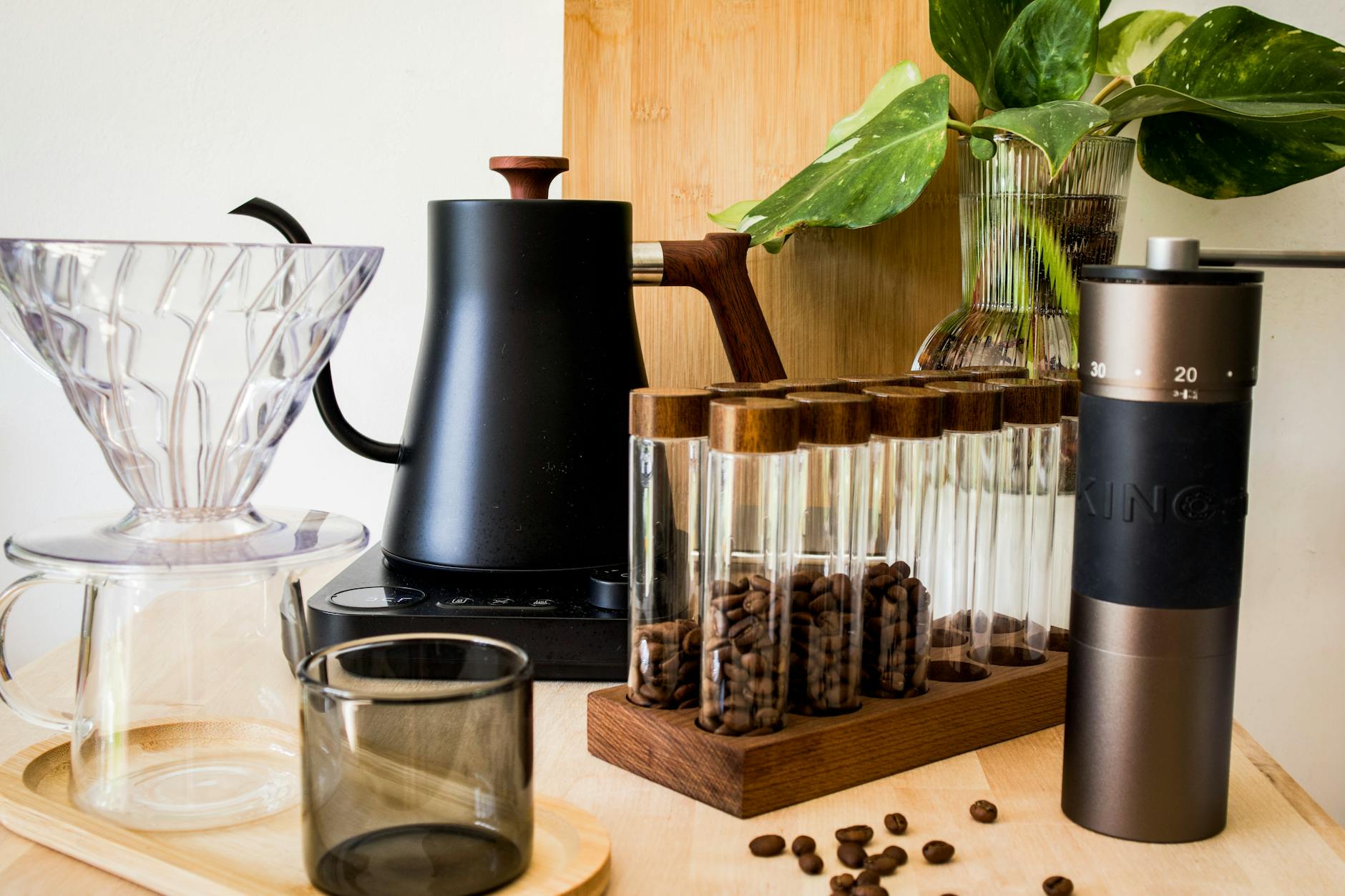
The Equipment You Need (and Don't)
One of the biggest barriers to making dirty chai at home is the assumption that you need an expensive espresso machine. You don't. Here's what actually matters and what's optional.
The One Must-Have: A Handheld Milk Frother
This is the single piece of equipment that transforms homemade dirty chai from "fine" to "cafe-quality." A battery-powered handheld frother costs $10-15 and lasts for years. It takes 20 seconds to drive the chai powder into the milk and aerate it at the same time.
That second job is the one people underestimate. The ground spices in real chai do not dissolve — they suspend, and only heat plus force holds them there. Stir them with a spoon and they end up on the bottom of the cup instead of in the drink. This is the difference between "I made chai at home" and "this is better than what I was buying."
For the Espresso Component
You do not need an espresso machine. Here are your options, ranked by quality and cost:
Moka Pot ($25-40) — Our top recommendation. A stovetop Moka pot produces strong, concentrated coffee that's close to espresso in intensity. It takes 4-5 minutes, makes enough for 2-3 dirty chais, and lasts essentially forever. This is what many Italian households have used for decades.
AeroPress ($35-40) — Makes a clean, concentrated brew that works beautifully in dirty chai. Slightly less intense than Moka pot espresso, but the flavor clarity is excellent. Portable, nearly indestructible, and takes 2 minutes.
Strong French Press ($20-30) — Use a higher coffee-to-water ratio (1:8 instead of the usual 1:15) and a fine grind. Not true espresso, but the body and intensity work well when combined with bold chai spices.
Instant Coffee ($0.10-0.25 per cup) — Honestly? It works. Dissolve 1-2 tsp of quality instant coffee in 2 oz hot water. The bold spices in real chai powder do a lot of heavy lifting, and the result is surprisingly good. This is the lowest-cost, fastest option.
Espresso Machine ($100-2,000+) — If you already have one, great. If you don't, you absolutely do not need to buy one for dirty chai. A Moka pot or AeroPress gets you 90% of the way there at 5% of the cost.
Nice to Have (But Not Required)
- Electric kettle with temperature control — Convenient for heating water to the right temp, but any kettle or stovetop pot works.
- Small kitchen scale — For consistent chai powder amounts. A serving is 1.5 g; a level half teaspoon is close if you have no scale.
- Insulated mug — Keeps your dirty chai hot longer. Not essential, but a $15 upgrade that improves daily enjoyment.
What You Don't Need
- Expensive espresso machine
- Commercial milk steamer
- Special chai brewing equipment
- Any kind of subscription gadget
- Anything that costs more than $40
Total essential equipment cost: $10-15 (just the frother). If you want the full setup with a Moka pot and frother, you're looking at $35-55 total — less than the cost of 10 cafe dirty chais.
Why Homemade Tastes Better
This isn't just about cost and calories. Homemade dirty chai with real spices actually tastes better than the cafe version. Here's why:
Real spices vs. "natural flavors." Cafe concentrates use flavoring extracts to approximate chai taste. Real chai powder contains actual cinnamon, cardamom, ginger, clove — you can taste the difference immediately. When you open a pouch of Meria Chai, the aroma hits you before you even measure it out. That's because you're smelling volatile oils from real spices, not a lab-created flavor profile. Those oils carry the depth, warmth, and complexity that extracts simply cannot replicate.
The spice quality gap is enormous. Most commercial chai concentrates source the cheapest spices available — pre-ground, bulk commodity ingredients that have been sitting in warehouses for months. By the time they're dissolved into a sugar-heavy liquid base, most of the aromatic compounds have degraded. Fresh, high-quality spices have 3-5x the essential oil content of commodity-grade equivalents. That's not a subtle difference — it's the difference between cardamom that tastes like perfume and cardamom that tastes like cardboard.
Fresh espresso + bold spices. When espresso hits real chai spices (especially ginger and black pepper), the combination creates complexity you can't get from sugar-syrup + coffee. The natural oils in ginger interact with the crema and oils in espresso, creating a layered flavor experience. Black pepper's piperine actually enhances your ability to taste the other spices — it's a natural flavor amplifier. This is why traditional masala chai in India almost always includes black pepper.
You control the balance. Too much milk? Less next time. Want it stronger? Add more chai. At a cafe, you get whatever the recipe card says. This control extends beyond strength — you can adjust the chai-to-espresso ratio to find your perfect balance. Some people prefer a chai-forward dirty chai (more powder, less coffee). Others want the espresso to dominate. At home, you dial it in once and it's perfect every time.
No added sugar masking the real flavor. Without about 42g of pre-added sugar, you actually taste the chai. Sugar doesn't just add sweetness — at high concentrations, it flattens and homogenizes flavor, making everything taste the same. Remove the sugar and suddenly you can distinguish the warmth of cinnamon from the brightness of ginger from the floral notes of cardamom. It's a completely different drink.
Temperature control matters too. Cafe drinks are typically served at a standardized temperature (around 160-170F) that prioritizes speed and safety. At home, you can serve it at the temperature that tastes best to you. Chai spices release different flavor compounds at different temperatures — slightly cooler (around 145-155F) actually lets you taste more of the spice complexity.
The Iced Version
For iced dirty chai at home (which costs $6-8 at most cafes):
Ingredients:
- Optional: sweetener to taste
- Meria Chai organic powder, weighed: 1.5 g for an 8 oz drink, 2 g for 12 oz, 3 g for 16 oz
- 6-8 oz milk
- 1 shot espresso
- Ice
Instructions:
- Sweetener, then the weighed chai powder, then all the milk into a pitcher — no water
- Warm it and emulsify completely, then let it cool a minute
- Pour the espresso over ice to cool it
- Pour the chai-milk over the top
- Stir and enjoy
Same 2 minutes. Same ~$1.25. Zero added sugar. And it never tastes like watered-down syrup the way cafe iced chai often does.
Pro tip: Make chai ice cubes out of the chai-milk itself — emulsify a batch, pour it into an ice tray, freeze. Use those instead of regular ice and your drink gets stronger as it melts, not weaker. Plain water cubes are the only thing in the glass working against you.
What About the Cafe Experience?
We get it — sometimes you want someone else to make your drink. The cafe experience has value beyond the beverage. But for your daily dirty chai? The one you drink 3-5 times a week? That's where homemade wins on every metric:
- Flavor: Better (real spices, fresh espresso, your preferred milk)
- Health: Better (0g sugar vs about 42g)
- Cost: About 80% cheaper
- Time: Often faster (no drive, no line)
- Control: Complete (strength, sweetness, milk type)
Save the cafe visits for when you want the experience. Make your daily chai at home.
And when you're in Charlevoix, Michigan — come see us at Cafe Meria. We make our dirty chai the same way we're describing here: real organic chai powder, fresh espresso, your choice of milk, no sweetened concentrate in sight.
What to Look for in Chai Powder
Not all instant chai works for dirty chai. Most grocery-store chai is pre-sweetened (18-22g sugar per serving), which clashes with espresso and creates an overly sweet, flat drink.
For dirty chai, you want:
- Unsweetened (0g sugar) — lets you control the balance
- Bold spices — needs to stand up to espresso's intensity
- Real ingredients — actual spices, not "natural flavors"
- Emulsifies smoothly — no gritty residue
- Organic certification — if you're drinking it daily, ingredient quality matters
We designed Meria Chai specifically for this use case. It's what we serve at Cafe Meria, where dirty chai is our second-bestselling drink. Seven organic ingredients, zero sugar, emulsifies in seconds. For a deeper look at how to evaluate chai powders, see our guide to finding the best instant chai.
FAQs
How much caffeine is in a homemade dirty chai?
About 105-115mg: ~40-50mg from the chai powder (black tea) plus ~63-65mg from one espresso shot. That's less than a large coffee (150-200mg) but more than regular chai (40-50mg). For a complete breakdown of chai caffeine levels and how they compare to coffee, see our chai caffeine content guide.
Can I use instant coffee instead of espresso?
Yes. Use 1-2 tsp instant coffee dissolved in 2 oz hot water. The flavor won't be quite as rich as fresh espresso, but it works and keeps costs even lower. Quality instant coffee (freeze-dried, single-origin) makes a noticeable difference over the cheapest options.
Is dirty chai actually healthy?
The homemade version is low in calories and added sugar — spiced tea + coffee + your choice of milk, no added sweetener. The cafe version typically has about 42g added sugar per drink, which is a different beverage nutritionally. Meria Chai is a beverage, not a treatment for any condition; talk to your healthcare provider for personalized dietary advice.
Why is cafe chai so high in sugar?
Because they use pre-made chai concentrates where sugar is the first ingredient. It's cheaper than real spices, shelf-stable, and most customers are used to sweet drinks. The sugar IS the product — the chai is just flavoring. Even chains that market their chai as "premium" or "handcrafted" are typically using the same type of sweetened concentrate, just with fancier packaging.
What milk works best for dirty chai?
Oat milk is our top recommendation — its natural sweetness balances espresso's bitterness, and it froths well. Whole milk is creamier. Almond milk is lighter. All work. If you're watching calories, unsweetened almond milk adds only about 25-45 calories. If richness is your priority, whole milk or barista-blend oat milk creates the most cafe-like texture.
How do I make it stronger?
Weigh more chai powder (up to the 16 oz dose of 3 g), use less milk, or add a double shot of espresso ("double dirty"). There is no water in this recipe to cut back on, which is why it starts out more concentrated than the cafe version.
Can I make dirty chai without any coffee equipment?
Absolutely. You don't need an espresso machine, Moka pot, or any special equipment. Dissolve 1-2 tsp instant coffee in 2 oz hot water — that's your "espresso" component. Combined with real chai powder and frothed milk, it makes a dirty chai that most people can't distinguish from the espresso version in a blind test.
Is it worth switching to homemade if I only drink dirty chai once a week?
Even at once per week, you save $225+ per year. But the real benefit isn't just cost — it's quality. Once you taste dirty chai made with real spices instead of sweetened concentrate, the cafe version tastes flat. Most people who make the switch don't go back.
How long does a pouch of chai powder last for dirty chai?
One pouch of Meria Chai contains about 33 servings. If you're using one 1.5 g serving per dirty chai and drinking 3x per week, a single pouch lasts about 11 weeks — nearly 3 months. Compare that to $198+ you'd spend at a cafe over the same period.
Can I make dirty chai ahead of time for the week?
You can make the chai-milk in bulk — sweetener, weighed powder, all the milk, emulsified hard — and keep it in the fridge for as long as the milk itself is good. Each morning: pull a shot, shake the bottle, pour. This is a great weekday morning hack — it reduces your prep time from 2 minutes to about 30 seconds.
Your Daily Dirty Chai, Transformed
The math is clear: cafe dirty chai costs nearly 5x more, contains about 10 teaspoons of sugar, and uses flavoring extracts instead of real spices. The homemade version with Meria Chai costs about $1.25, has zero added sugar, uses 7 organic ingredients — black tea and six whole-source spices — and takes 2 minutes.
But numbers only tell part of the story. The real shift happens the first time you taste dirty chai made with actual cardamom, real ginger, and fresh espresso — no sugar syrup in the way. It's a fundamentally different drink. Warmer, more complex, more alive.
We've been making it this way at Cafe Meria in Charlevoix. Same recipe, same organic ingredients, and it keeps growing in popularity — with many customers returning specifically for the chai. Now you can make the same thing at home every morning.
Try the unsweetened chai powder --> The same organic chai powder we use at Cafe Meria. 7 ingredients, 0g sugar, 33 dirty chais per pouch. For the price of about 3 at a cafe, you get 33 at home — and they taste better.
Free shipping on every order.
