
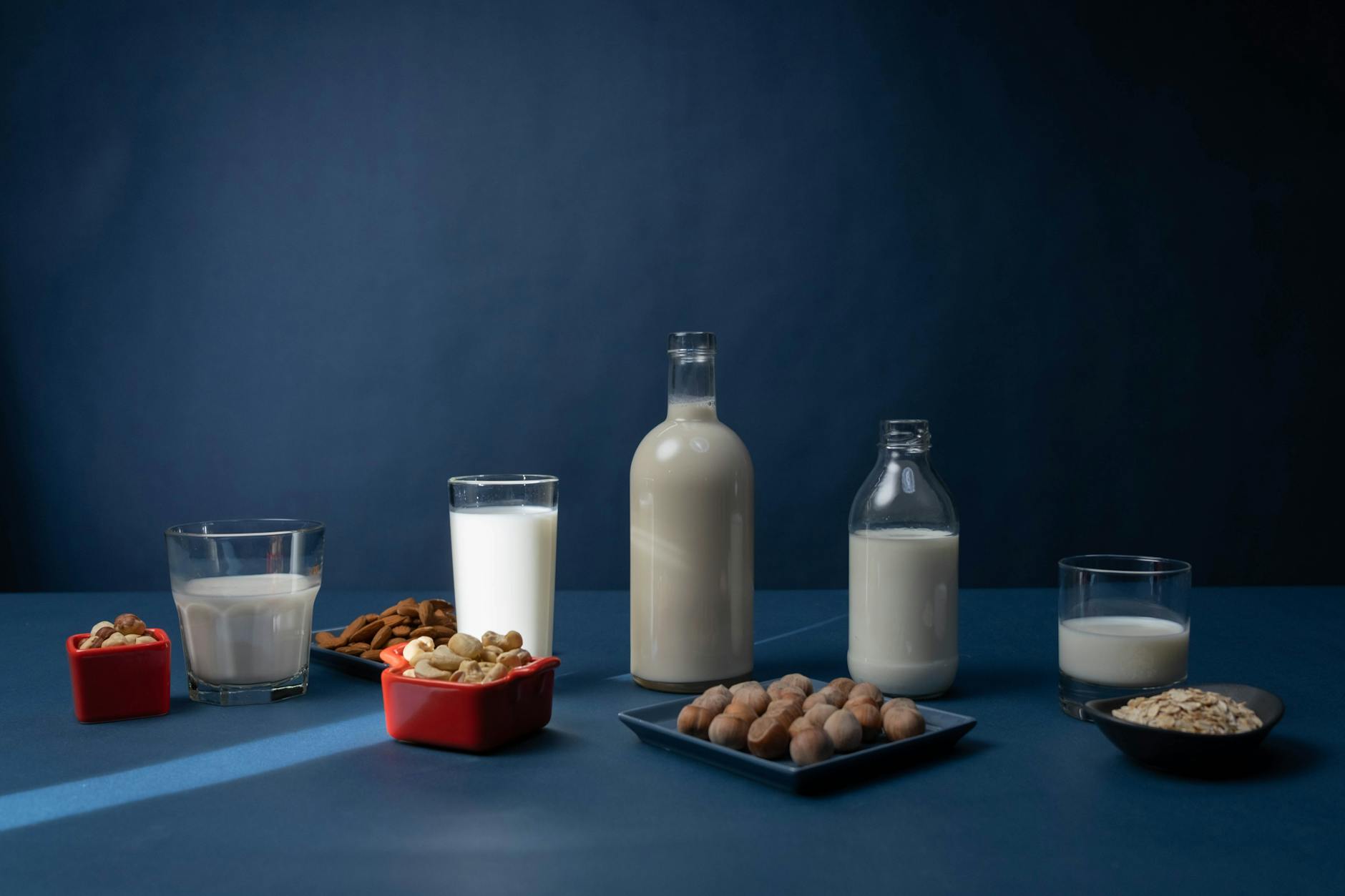
The short answer
| If you want | Use | Why |
|---|---|---|
| The best all-round chai latte | Oat milk (a barista version if you froth) | Creamy, a little sweet, foams well, doesn't hide the spices |
| Traditional, full-bodied chai | Whole milk | The fat carries the spice flavor; how chai is made in India |
| The fewest calories | Unsweetened almond milk | About 30-60 calories a cup; light, so use the full dose of chai |
| The most protein without dairy | Soy milk | About as much protein as dairy milk, and it foams well |
| Iced chai that stays creamy | Oat or whole milk | Thin milks taste watery once the ice melts |
The milk is most of what's in your cup: 8 ounces of milk against about 1.5 grams of chai. So it decides the texture, most of the calories and a good part of the flavor. Here is how each one behaves.
Zero sugar · Six organic spices · Café-tested · 58¢ per 8 oz cup · Free shipping on every order · Supplier batch-tested for heavy metals · Small batch
Every milk compared
Calories and protein are typical values for 8 ounces of the unsweetened version. Brands vary, so check your carton.
| Milk | Taste with chai | Foam | Calories (8 oz) | Protein (8 oz) |
|---|---|---|---|---|
| Whole milk | Rich, round, the classic | Excellent | ~150 | ~8 g |
| 2% milk | A little lighter, still creamy | Good | ~120 | ~8 g |
| Skim milk | Thin; spices taste sharper | Big, dry foam that fades fast | ~80 | ~8 g |
| Oat milk | Creamy, slightly sweet | Excellent (barista versions) | ~120 | ~2-4 g |
| Soy milk | Neutral, a little beany | Good | ~80-100 | ~7 g |
| Almond milk | Light, faintly nutty | Fair | ~30-60 | ~1 g |
| Coconut milk (carton) | Tropical; competes with the spices | Good | ~45-80 | ~0-1 g |
| Cashew milk | Mild and smooth | Fair | ~25-50 | ~0-1 g |
Two things explain most of this table:
- Fat carries flavor. The flavors of cinnamon, cardamom, ginger and clove come from oils, and oils dissolve in fat. That is why a chai made with whole milk tastes rounder than the same chai made with skim, and why traditional masala chai is made with whole milk.
- Protein makes foam. Dairy milk's protein holds air, so it foams at every fat level. Most plant milks have far less protein, so "barista" versions are made to foam better. Many still do it with seed oils (canola, sunflower) and gums (gellan, locust bean), but cleaner barista milks made without either are now easy to find.
Barista-quality masala chai
No sugar. No stevia. No exceptions.
Meria Chai is black tea and six organic spices — the same blend we pour at the café, with no sweetener of any kind in it. You decide the sweetness, or you don’t.
Get my chai · From $19Free shipping • Cancel anytime
Oat milk: the best choice for most people
At Cafe Meria, oat milk is the milk most of our chai drinkers choose. It has enough body to feel like a café latte, its slight natural sweetness rounds out cinnamon and cardamom, and it doesn't pull the flavor toward nuts or coconut the way almond and coconut milk do.
Pick a barista oat milk if you steam or froth your chai; regular oat milk tastes the same but foams less. Then read the ingredient list, not the front of the carton:
- Skip seed oils and gums. Canola, rapeseed or sunflower oil and gellan or locust bean gum are common in barista milks, but a milk doesn't need them to foam. At Cafe Meria we switched to Elmhurst's Oat and Almond Barista Edition milks, which are made without gums or seed oils, and they steam and foam well for chai.
- Check for cane sugar. Many barista milks, including some of the cleaner ones, add a little. If you want a fully unsweetened drink, look for 0 g added sugar on the label, or use less sweetener in the cup.
Formulas change, so check the carton you're buying, not last year's recommendation.
More on this pairing, with four recipes: Best Chai for Oat Milk.
Whole milk: the traditional chai
If you want chai that tastes the way it does in India, use whole milk. It has the most fat of the everyday milks, so it carries the most spice flavor, and it foams better than any plant milk. 2% is a fair compromise; skim makes a thinner drink where the black pepper and ginger stand out more.
Almond milk: the lightest chai latte
Unsweetened almond milk adds only about 30-60 calories a cup, so a chai latte made with it stays under about 65 calories before any sweetener. The trade-off is body: almond milk is thin, and the spices can taste louder and a little dusty. Use the full dose of chai, and froth it hard to give the drink some texture.
Full guide: Chai Latte with Almond Milk.
Soy milk: the most protein without dairy
Soy milk has about as much protein as dairy milk, which is why it foams well and feels substantial. Its own flavor is a little beany; chai's spices cover most of it. Heat it gently, because very hot soy milk can split.
Coconut milk: for a tropical chai
Carton coconut milk (the drinking kind, not canned) gives a light, smooth chai with a clear coconut taste. Some people love it; others find it fights the cardamom. Canned coconut milk is far richer, so use a splash of it with another milk rather than a whole cup.
Full guide: Chai Latte with Coconut Milk.
Cashew milk: mild and smooth
Cashew milk tastes like very little, which lets the chai lead. It is creamier than almond milk but low in protein, so it foams only a little.
Hot or iced: does the milk change?
Hot: any milk works; oat and whole milk foam best.
Iced: pick a creamier milk. As the ice melts, a thin milk like almond or skim turns watery fast, while oat and whole milk stay creamy to the bottom of the glass. Heat the chai in the milk first and pour it over ice; the heat is what opens up the spices, even for an iced drink. Full method: Iced Chai Latte Recipe.
How to make a chai latte with any milk
This is how we make it at Cafe Meria, and it works with every milk in the table:
- Sweetener first, if you use one, into the empty pitcher or mug.
- Add the chai: 1.5 g of Meria Chai, about a level half teaspoon, per 8 oz of milk.
- Add all the milk and heat everything together: under a steam wand, on the stove, or in the microwave followed by a handheld frother. Don't boil plant milks; steaming hot is enough.
- Froth until smooth. The spices are ground fine and suspend in the milk rather than dissolve, so they need the force of steam, a frother or a blender.
Because Meria Chai is unsweetened, with no milk powder or creamer in it, the milk you choose is the only milk in the drink, and the sweetness is entirely yours to decide.
FAQs
What milk do cafés use for chai lattes?
Most cafés use whole milk by default and offer oat, almond and soy. At Cafe Meria, oat milk is the most requested milk for chai.
Is oat milk or almond milk better for a chai latte?
Oat milk, for taste and texture: it is creamier and foams better. Almond milk is better only if calories matter most to you.
What is the lowest-calorie milk for a chai latte?
Unsweetened almond or cashew milk, at about 25-60 calories per cup. With an unsweetened chai powder, the whole drink can stay under about 65 calories.
Can I make a chai latte with water instead of milk?
You can, but it becomes spiced tea rather than a latte. Chai powder made for lattes is built to be mixed into milk; in water it tastes thin.
Why does my plant milk curdle in chai?
Usually heat. Soy and almond milk can split when they get too hot. Heat them to steaming, not boiling, and use barista versions, which are made to stay smooth when heated.
Should I buy sweetened or unsweetened milk?
Unsweetened where you can. Sweetened and "original" plant milks often add sugar, and many barista versions add a little cane sugar too, so check the added-sugar line on the label. Start as unsweetened as you can and add exactly as much sweetener as you like.
Make it at home
The milk is the part you choose; the chai should be the part you never have to think about. Meria Chai is the unsweetened chai powder we pour at Cafe Meria: seven ingredients (black tea, cinnamon, ginger, cardamom, clove, nutmeg and black pepper), no sugar, no sweetener and no milk powder. $19 for a 50 g pouch, about 33 lattes. Disclosure: we make it.
