
What Makes a Masala Chai Powder "Real"?
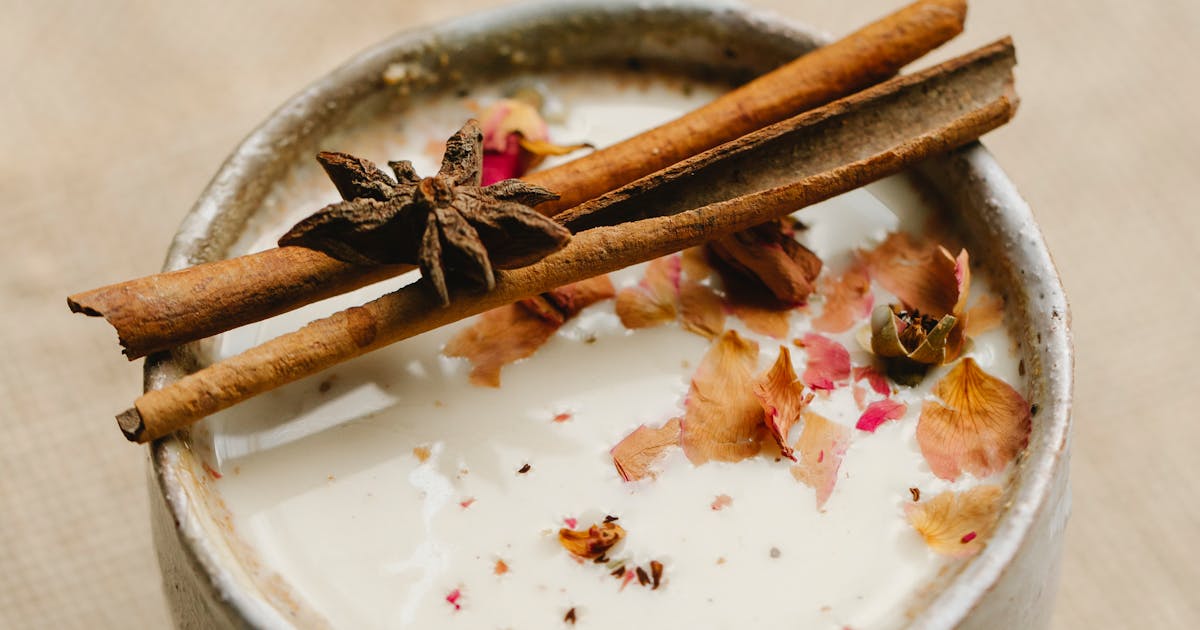
Masala chai is not a flavor. It is a specific blend of black tea and whole spices that has been prepared across South Asia for centuries. The word "masala" literally means spice blend. So "masala chai powder" should mean one thing: ground spices and tea.
But walk down the chai aisle at any grocery store, and you will find something very different. Most products labeled "masala chai" contain more sugar, maltodextrin, and artificial flavoring than actual spices. The spices — if present at all — appear at the bottom of the ingredient list, below the fillers.
This is not a minor quality issue. It is the difference between drinking real chai and drinking flavored sugar powder.
Meria Chai exists because we got tired of this. We run a café. We know what real chai tastes like. And we built a powder that matches it — six organic spices, organic black tea, nothing else.
The 7 Traditional Masala Chai Spices
Authentic masala chai uses these spices, each serving a specific purpose:
| Spice | Role in Chai | What to Watch For |
|---|---|---|
| Cardamom | The signature floral-citrus note | Most expensive spice — often replaced with "natural flavor" |
| Cinnamon | Warmth and sweetness without sugar | Ask whether the lot was tested for lead — that matters more than the variety |
| Ginger | Heat and digestive support | Fresh-ground vs. extract changes the flavor entirely |
| Cloves | Deep, aromatic intensity | A little goes far — over-extraction tastes medicinal |
| Black Pepper | Sharpness, bioavailability boost | Often omitted in mass-market blends |
| Nutmeg | Subtle warmth, complexity | Frequently left out of cheaper blends |
If a masala chai powder does not contain most or all of these spices — listed individually on the label — it is not real masala chai. It is a flavored product using the name.
Meria Chai contains all seven. Every batch. No exceptions.
From Our Café to Your Kitchen
No sugar. No stevia. No exceptions.
Meria Chai is black tea and six organic spices — the same blend we pour at the café, with no sweetener of any kind in it. You decide the sweetness, or you don’t.
Free shipping • Cancel anytime
Red Flags on a Chai Powder Label
You do not need a food science degree to spot fake masala chai. Here are the five things that give it away instantly:
1. "Natural Flavors" in the Ingredient List
"Natural flavors" is a catch-all term that can include hundreds of chemical compounds derived from natural sources. When a chai powder lists "natural flavors" instead of naming each spice individually, it means they are using flavoring compounds to simulate the taste of spices rather than using the spices themselves.
Why does this matter? Because spice extracts and actual ground spices deliver completely different flavor profiles. An extract captures one or two aromatic compounds. A whole spice contains dozens of compounds that interact during brewing. The result is not comparable.
2. Sugar or Sweetener as a Top-3 Ingredient
Ingredients are listed by weight. If sugar, cane sugar, honey, or any sweetener appears in the first three ingredients, that product is more sweetener than chai. Traditional masala chai does not contain sugar in the blend — sweetness is added at serving time, to taste.
3. Maltodextrin
Maltodextrin is a cheap filler derived from corn starch. It adds bulk and weight to a product without adding flavor or nutritional value. It is a higher glycemic index ingredient than table sugar. If it is in your chai powder, you are paying for corn starch.
4. Silicon Dioxide and Anti-Caking Agents
A small amount of anti-caking agent is sometimes used in powdered products. But when it appears prominently in the ingredient list, it often signals a powder that has been formulated for shelf stability and manufacturing convenience rather than flavor quality.
5. Vague "Spice" or "Spice Blend" Listings
If a label says "spices" without naming them, the manufacturer is not required to disclose what is actually in the blend. This is where corners get cut. A product could contain one spice and call it a "spice blend."
> The rule is simple: if you cannot identify every ingredient on the label, the manufacturer does not want you to.
How the Best Masala Chai Powders Compare (2026)
We looked at the most common masala chai powders available online and in stores. Here is how they stack up on what actually matters:
| Feature | Mass-Market Brands | Mid-Range Brands | Meria Chai |
|---|---|---|---|
| Real spices listed individually | Rarely | Sometimes | Yes — all six |
| Organic-sourced ingredients | Rarely | Some | Yes — all six spices |
| Heavy metal tested | No | Rarely | Yes — supplier batch testing |
| Added sugar | Yes (often #1 ingredient) | Some | None |
| Maltodextrin / fillers | Yes | Sometimes | None |
| "Natural flavors" | Yes | Sometimes | None |
| Cost per cup | $0.30-0.50 | $0.50-0.80 | ~$0.50 |
| Caffeine source | Varies | Black tea | Organic black tea |
The price difference between fake chai and real chai is negligible — often pennies per cup. What you get for those pennies is the difference between drinking artificial flavoring and drinking actual spices.

The Cost Breakdown: Real vs. Fake
One of the most common objections to premium masala chai powder is price. But the math does not support this objection.
| Typical Grocery Chai | Meria Chai | |
|---|---|---|
| Price per container | $6-10 | $19 |
| Servings per container | 10-15 | 33 |
| Cost per cup | $0.40-1.00 | ~$0.58 |
| What you get per cup | Flavored sugar water | Six organic spices + organic black tea |
| Annual cost (1 cup/day) | $146-365 | ~$210 |
The grocery brand might cost less per container. But per cup — per actual cup of real chai — the difference shrinks dramatically. And when you factor in that many people use more of the cheap powder to compensate for its weak flavor, the gap closes even further.
You are not paying more for Meria Chai. You are paying for different ingredients entirely.
How to Evaluate Any Masala Chai Powder
Use this checklist before buying any masala chai powder:
Ingredient Test:
- Are all spices listed individually by name? (Not "spices" or "natural flavors")
- Is black tea the first or second ingredient?
- Is sugar absent from the ingredient list?
- Is maltodextrin absent?
Sourcing Test:
- Are the spices organic-sourced?
- Does the brand provide heavy metal testing documentation? (This matters — see our heavy metals in chai article)
Taste Test:
- Does it smell like actual spices when you open the container?
- Can you taste cardamom, ginger, and cinnamon individually?
- Does it taste like chai without adding sweetener?
If a product fails more than one of these, it is not real masala chai. It is a flavored product borrowing the name.
Why We Built Meria Chai
We own a café in Charlevoix, Michigan — Cafe Meria. We have been making chai from scratch for years. When we looked for a powder that matched what we brew in-house, nothing on the market came close.
So we made one. Meria Chai is the powder version of what we serve at the café: 7 organic-sourced ingredients (cinnamon, ginger, cardamom, clove, and nutmeg from Red Ape Cinnamon; black tea and black pepper sourced separately), zero sugar, zero fillers, supplier batch heavy-metal testing.
It is not a mass-market product. It is not trying to be everything to everyone. It is real masala chai for people who know the difference — or want to learn it.
FAQ: Buying Masala Chai Powder
What is the best masala chai powder to buy?
The best masala chai powder lists every spice individually on the label, uses no artificial flavoring or maltodextrin, and contains no added sugar. Meria Chai meets all of these criteria — every spice listed, no fillers, no added sugar, most spices sourced from Red Ape Cinnamon (with per-lot heavy-metal test results published publicly), black tea and black pepper sourced separately. The simplest test: flip the container over. If you cannot read and understand every ingredient, keep looking.
Is masala chai powder the same as chai latte mix?
No. Chai latte mix is typically a sweetened, flavored product designed to be mixed with water — it often contains more sugar and creamer than actual tea or spices. Masala chai powder (when done right) is just ground spices and tea that goes straight into milk - nothing is brewed, and any sweetener goes into the pitcher first rather than being stirred in at the end. They are fundamentally different products.
How do you use masala chai powder?
Sweetener first into an empty pitcher if you want any, then the weighed powder — 1.5g for an 8oz drink, 2g for 12oz, 3g for 16oz — then the milk. No water. Heat and emulsify it in one move with a steam wand, blender, hand mixer, or frother, and do it hard: the tea dissolves on its own, but the ground spices only stay in suspension under heat and force. It does not need to steep.
Does masala chai powder expire?
Quality masala chai powder lasts 6-12 months after opening when stored in a sealed container at room temperature, away from direct sunlight. Unopened, it can last 12-18 months. The spices will gradually lose potency over time, but the powder remains safe to consume. If it no longer smells strongly of spices, it is past its prime.
Is organic masala chai powder worth the higher price?
Yes — especially for chai. When you drink chai, you are consuming finely ground spices directly. Unlike fruits or vegetables where you might peel the skin, with chai powder you ingest everything — including whatever pesticide residues are on the spices. Organic certification ensures no synthetic pesticides were used. The price difference is typically pennies per cup. See our organic chai guide for the full breakdown.
Shop Meria Chai → — Six organic spices. Organic black tea. Zero sugar, zero fillers, heavy-metal tested. Real masala chai, the way it should be. Free shipping on every order.
These statements have not been evaluated by the Food and Drug Administration. This product is not intended to diagnose, treat, cure, or prevent any disease.
